
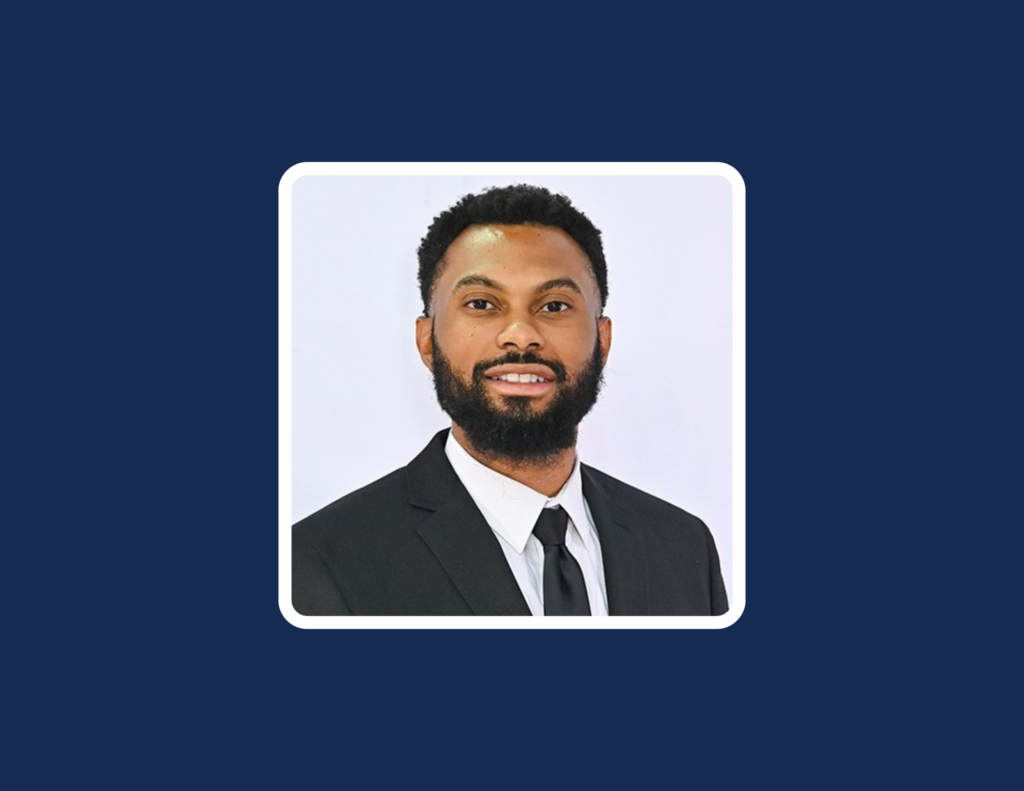
XAVIER SILAS – VIRGINIA MILITARY INSTITUTE MEN’S BASKETBALL ASSOCIATE HEAD COACH – EPISODE 1303
Website – https://vmikeydets.com/sports/mens-basketball
Email – [email protected]
Twitter/X – @xaviersilas

Xavier Silas is the Men’s Basketball Associate Head Coach and is in his 4th season at Virginia Military Institute. He has twice been named to the Silver Waves Media Mid Major Coaches watch list as a name to watch as a future head coach at the Division I level. Silas came to VMI after being an analyst for the University of Missouri men’s basketball program.
During the 2022-23 season, Silas served as head coach of the Guaynabo Mets of the Baloncesto Superior Nacional (BSN), the highest professional basketball league in Puerto Rico.
Prior to coaching in Puerto Rico, he worked for both the Detroit Pistons and Philadelphia 76’ers in a similar role as both the director of player development and offensive coordinator for each franchise’s G-League affiliate.
As a professional basketball player, Silas had playing stints with the Denver Nuggets, Boston Celtics, Minnesota Timberwolves, Washington Wizards and Philadelphia 76ers. As a member of the NBA G-League, he played for the Iowa Wolves, Northern Arizona Suns, Bakersfield Jam and the Maine Red Claws. Silas also played for various professional teams in Argentina, Germany, Greece, Israel and France throughout his playing career.
After beginning his collegiate career at the University of Colorado at Boulder (2006-08), he transferred to Northern Illinois (2009-11) where he earned First Team All-MAC honors and First Team NABC All-District 14 accolades.
On this episode Mike & Xavier discuss Xavier’s journey from growing up around the San Antonio Spurs to becoming associate head coach at VMI. He shares how embracing a role, setting aside ego, and becoming exceptional at a specific skill helped him on his professional basketball career as a player. Silas explains how he teaches shot efficiency with a simple “dollar” analogy and uses film, relationships, and high standards to help players improve. He also reflects on building Colorado Prep, recruiting for fit at VMI, and creating a coaching staff where assistants are trusted to lead and challenge ideas. Throughout the conversation, he emphasizes daily work, shared purpose, and helping players reach their potential.
Follow us on Twitter and Instagram @hoopheadspod for the latest updates on episodes, guests, and events from the Hoop Heads Pod.
Make sure you’re subscribed to the Hoop Heads Pod on iTunes or wherever you get your podcasts and while you’re there please leave us a 5 star rating and review. Your ratings help your friends and coaching colleagues find the show. If you really love what you’re hearing recommend the Hoop Heads Pod to someone and get them to join you as a part of Hoop Heads Nation.
Grab your journal and a pen before you listen to this episode with Xavier Silas, Men’s Basketball Associate Head Coach at Virginia Military Institute.
What We Discuss with Xavier Silas
10 Key Takeaways for Basketball Coaches
- Recruit for fit, not just talent.
At VMI, Silas says recruiting starts by explaining the toughest parts of the experience, uniform requirements, barracks life, Hell Week, and the honor code. His point: be candid about the environment so players can judge whether they truly belong there.
A good fit is more likely to persist and contribute when the demands get hard.
- Build a team with enough talent to create real competition.
Silas recalls Brewster Academy putting 13 Division I-bound players on the same team. Rather than avoiding competition by limiting the number of strong players, coach Jason Smith trusted the group to compete and find roles.
Don’t assume a roster is “too talented”; plan how to help talented players challenge and elevate one another.
- Teach players to specialize and embrace their role.
Silas says players pursuing the NBA need to become exceptional at one or two things and capable in the rest. He points to his own shooting, 40% on 10 attempts per game in the G League, as a skill that helped earn a call-up, while his ability to play point guard added value.
Help each player identify the specific contribution that can keep them on the floor, and coach them to accept the role the team needs.
- Make analytics understandable and usable.
In Philadelphia, Silas explained points per possession using money: a possession could earn “dollars,” while a lower-efficiency option might be worth only 60 or 70 cents. Players began using that language on the court to recognize when a shot wasn’t a “dollar shot.”
Translate data into a simple shared vocabulary players can apply in real time.
- Use film to teach, not just to show mistakes.
Silas describes clipping both good and bad plays, sending them to players, and reviewing film individually, in small groups, and as a team. He stresses that simply putting footage on a screen is not enough: players need to understand it and apply it.
Pair corrections with examples of progress so players can see what they’re learning and doing well.
- Build relationships that let you challenge players.
Silas says strong players want to be pushed toward a level they may not yet know they can reach. He asks players whether they want to be “good or great,” then makes clear that greatness requires a higher standard.
Earn the trust to demand more and make the challenge specific, honest, and connected to the player’s goals.
- Treat player development as a retention strategy.
Silas says programs are recruiting their own players every day. Showing a player on film how their reads, shots, or effort have improved helps make the value of staying visible. He also emphasizes offering players work, development, and real opportunity.
Make progress concrete so players can see why continuing with the program helps them move toward their ambitions.
- Create productive disagreement on the coaching staff.
At VMI, Silas describes coaches challenging one another on offense, defense, and other decisions. The staff goes back and forth to find the best answer, then carries that decision forward together.
Invite honest debate before decisions are made; alignment is strongest when staff members have had a real chance to test the plan.
- Delegate by hiring well and trusting expertise.
Silas explains how responsibilities are divided at VMI: he runs the offense, another coach runs the defense, and other staff members lead player development and special teams. He recalls advice from Alex Torres: don’t try to do everything yourself, hire well and let people do their jobs.
Give trusted assistants real ownership while staying connected to the overall program.
- Keep the team focused on the work in front of it.
When asked about his biggest challenge, Silas says it is staying in the moment: executing, improving, and being the best the team can be each day.
Turn big season goals into daily standards players can control, then keep bringing the group back to those standards.
Like this show? Please leave us a review here — even one sentence helps! Consider including your Twitter handle so we can thank you personally!

Your first impression is everything when applying for a new coaching job. A professional coaching portfolio is the tool that highlights your coaching achievements and philosophies and, most of all, helps separate you and your abilities from the other applicants.
The key to landing a new coaching job is to demonstrate to the hiring committee your attention to detail, level of preparedness, and your professionalism. Not only does a coaching portfolio allow you to exhibit these qualities, it also allows you to present your personal philosophies on coaching, leadership, and program development in an organized manner.
The Coaching Portfolio Guide is an instructional, membership-based website that helps you develop a personalized portfolio. Each section of the portfolio guide provides detailed instructions on how to organize your portfolio in a professional manner. The guide also provides sample documents for each section of your portfolio that you can copy, modify, and add to your personal portfolio.
Aiming to go D3? The D3 Recruiting Playbook gives you a clear, step-by-step roadmap to the recruiting process – what coaches value, key milestones from early high school through application season, and how to build a target list of schools that fit your needs.
We’ll demystify researching D3 programs and how to stand out without chasing every camp or showcase.
The modules cover things like writing emails to coaches, building an effective highlight tape, using social media well, planning ID camps and visits, and navigating application strategy.
You’ll get templates, checklists, and an outreach plan to communicate confidently, learn how to compare financial packages, and avoid common missteps. By the end, you’ll have a prioritized school list and a decision framework you can use to land your best-fit opportunity.

Give With Hoops is a groundbreaking initiative that fuses basketball analytics with modern sponsorship. Built for teams who see data as opportunity, from AAU programs to college powerhouses.
By tying on-court performance directly to community and sponsor engagement, Give With Hoops help programs raise more while deepening support from those who believe in the game.
Traditional fundraising disconnects donors from the action. Sell candy bars, wash cars, beg for donations, it’s exhausting and ineffective. Players perform better when their stats matter beyond the scoreboard. That’s why Give With Hoops was created.
Give With Hoops connects game performance to community support. Every basket, rebound, and assist becomes a chance to raise funds. Transparent, exciting, and proven to raise 3x more than traditional methods.
THANKS, XAVIER SILAS
If you enjoyed this episode with Xavier Silas let him know by clicking on the link below and thanking him via Twitter/X.
Click here to thank Xavier Silas via Twitter/X
Click here to let Mike & Jason know about your number one takeaway from this episode!
And if you want us to answer your questions on one of our upcoming weekly NBA episodes, drop us a line at [email protected].
TRANSCRIPT FOR XAVIER SILAS – VIRGINIA MILITARY INSTITUTE MEN’S BASKETBALL ASSOCIATE HEAD COACH – EPISODE 1303
[00:00:00] Narrator: The Hoop Heads Podcast is brought to you by Head Start Basketball
Mike (00:01.086)
Hello and welcome to the Hoopeds Podcast. It’s Mike Klinzing here tonight without my co-host Jason Sunkel, but I am pleased to be joined by men’s basketball associate head coach at VMI, Xavier Silas. Xavier, welcome to the Hoop Heads Pod, man.
Xavier Silas (00:16.406)
thank you for having me. I’m excited. I’m a big fan of the show, so I’m I’m ready to get started.
Mike (00:21.65)
All right, man. Appreciate it. And we are looking forward to diving into all of the interesting things that you’ve been able to do in your career, both as a player and as a coach. Want to start by going back in time to when you were a kid. Tell me a little bit about your first experiences with the game of basketball. What do you remember? What made you fall in love with it?
Xavier Silas (00:39.308)
Well, it was pretty easy for me. My dad’s the first player to have his jersey retire for the San Antonio Spurs. So growing up at those in those locker rooms with David Robinson, Sean Elliott, Avery Johnson, that’s kinda like my introduction to basketball. Iceman, call him a uncle, you know, their their their family, the Gervins are family, Johnny Moore and that family. So, you know, it was it was easy. It’s all I ever knew really. I didn’t know anything different. It was kinda normal for me to be around basketball and
to be around shoot arounds and not until later that I start paying attention to what was really going on.
Mike (01:16.126)
How long was it till you realized like, hey, my experience isn’t necessarily a normal one that all my friends are having? When what how old were you when you realized that?
Xavier Silas (01:26.262)
Honestly, it was probably in middle school, you know, when I started to really start to take my friends to the games, you know, and like my birthday party would be a suite at the Spurs game, right? And so people they they would be super excited and it was just another, you know, regular season game for me. And so, you know, I I started to see it then and I started to really appreciate it, you know, late middle school going into high school, really starting to pay attention to, you know, pop.
and what he was doing and kind of starting to pay attention in in shootarounds and practices that they would let us go to and those playoff series against the Lakers and all those things, it was it started to be something that really caught my attention and I didn’t know it yet, but it was kind of priming me to be a coach later on.
Mike (02:12.135)
What was a lesson that you learned either from your dad or from one of the Spurs guys, just in terms of maybe not even something that they explicitly put their arm around you and said, Hey, this is what you should be thinking about, but just from kind of being around that atmosphere, something that you took with you maybe as a player, but also as a coach.
Xavier Silas (02:33.292)
You know, it’s a lot of different things. A funny story is George Gervin, he he and I were playing one on one one time at at a Spurs camp. And of course, like anytime I was at a camp, he would pick me out of the crowd if he was one of the people. And we were playing one on one and he just kept scoring on me and backing me down and scoring on me. And I was probably like in like sixth grade. And I remember he was just like, you know, it’s not my fault, God made you little. And I’ll never forget that. And it’s kinda it it
Mike (02:58.951)
Yeah.
Xavier Silas (03:02.878)
it it’s a tell on the type of mentality that those guys have. Like they don’t they really don’t care. They don’t care if they’re, you know, it’s family, if it’s your little, big, tall, your mom, it doesn’t matter, they’re going at you. And, you know, and that’s something that has stuck with me where it’s kind of like a no mercy type of deal, you know. and my dad, you know, one of the biggest things that he’s always said is this isn’t for everybody. And he says it a little bit more explicitly, but
You know, th this whole thing isn’t for everybody. This this this path that we’re on and that we’ve chosen to do, it’s not for everybody. So, you know, it it’s going to be hard. And you chose the path, so walk it. You know, I I don’t want to hear any complaining or or quitting, you know, that’s that’s how that’s how they roll. They’re old school, man. I grew up old school, man. You know, that’s how they roll.
Mike (03:53.778)
So what did it look like for you when you’re trying to get better as a player, as a middle school kid, as a high school kid? What’s the process that you went through to improve yourself as a player? How scientific were you? How much were you balancing being in the gym by yourself, playing pickup ball? What was just what was it like for you trying to improve and get better as a player? What was the plan that you put together?
Xavier Silas (04:16.438)
You know, I grew up in that era where playing pickup was still a thing, right? We were we were driving around Austin and San Antonio trying to find games. And so we just were we would go to the south side of Austin and we’d go to north side, we’d go to the east side. It didn’t matter. We were looking to go and wherever they were were having runs, we were trying to play. So that was part of the development. And the big part of the development that we miss now is if you lost and you were playing against older dudes, you didn’t you didn’t get it back on the court for a while.
And so winning was really important, you know, and that was part of my development and kind of how I came up. You know, my dad and I were in the gym a lot. I had another guy, Rod Anderson, you know, who we were in the gym a lot. He was he played at Texas as a point guard back in the day with Tom Penders when he was a coach there. And so
they were both, it was just one of those things where, you know, I decided that I wanted to do it and I wanted to be good, and so they pushed me and they didn’t take no for an answer and they didn’t let me off the hook. And I was on the weights early and I was just, you know, just grinding. You know, one of my assistant coaches who who recruited me at at Colorado, he came to watch me work out and it was in the middle of the summer, and I was just doing my normal workout, but
My normal workout was running stadiums in the middle of the of of the summer heat. You know, it was like one two, one three down in Austin and he came and he was like, Man, you do this every day. And he was like, Yeah yeah. And I had a weight vest on while I did it, you know. And so that was just we just grinded. You know, it was one of those things where I always wanted to outwork anybody who would be my competition, and that has gone into my coaching career as well. You know, I’m I’m looking at
always trying to figure out how to be more efficient and try to outwork everybody that I’m that I’m competing with.
Mike (06:14.801)
That’s a pretty good lesson that you took from the guys that you got to spend some time around when you were a kid, right? You can you can paper over a lot of mistakes and a lot of different things just by putting in that work a and really trying to improve yourself in whatever your craft is, whether it’s playing, whether it’s coaching, whether it’s business, whatever it may be, that’s a great lesson that any kid can learn and obviously any coach who’s listening can take that as well. And again, if you’re in the coaching profession, you know the amount of hard work that it takes in order to
be able to be successful. Tell me about your high school career. Just give me your favorite memory from high school basketball. What’s one thing, if I say, hey, high school basketball, what’s one memory that stands out for you?
Xavier Silas (06:56.226)
You know, one of the biggest memories was I remember I transferred to Austin High from Saint Stevens. I’d been a private school kid all my life. I go to Austin High, which is one of the bigger public schools, the oldest public school in Austin. and it was a a five A back when five A was the biggest, you know, classification there. And I was walking
I I I graduated in two thousand five. So I was walking through their kind of hallway that had all of their achievements and they had a trophy that said that they were undefeated in nineteen seventy five. So it was thirty years ago and they hadn’t gone undefeated in district since. And we were able to do that in my senior year.
And so when we won that last game, you know, that was one thing that with all the hist the rich history that that Austin High has, we were able to solidify ourselves in in that history book by doing that. And I’m not a hundred percent sure if it’s been done ever since, but it was a long time. That 30 years drought was a long time until we did it. So that was probably my happiest memory.
Mike (08:00.026)
It’s amazing how those things again from that long ago, how that stuff sticks with you and those accomplishments that outside of your school, outside of the city of Austin, nobody probably remembers anything about that. But when you go back and you think about it, you’re like, man, that was something that we were able to accomplish at that time. Again, with the guys that you played with in that era. Tell me about the recruitment to the University of Colorado.
What lessons did you take from that? Is there anything, is it even relevant at all to what you’re doing now in terms of recruiting? Is your own story is your own story relevant in any way?
Xavier Silas (08:30.646)
I think it’s it’s funny because I’ve been able to kind of go back to every memory that I’ve had with basketball and pull from it and and use something from it in coaching, right? And I remember Jason Smith, who is, you know, ha should be a Hall of Fame coach if he isn’t already. Brewster Academy, he’s turned Brewster Academy into one of the powerhouses. wow. We’ll start that over.
they’re down there burning something. no, you know, with at Brewster Academy, I was able to pull from Jason Smith just his hard work. You know, like he was one of the first people that was able to put so many division one guys on one team. We had 13 out of 13 guys go D1 from our from our from our team. And we were loaded.
Mike (09:04.733)
Yeah.
Xavier Silas (09:25.78)
And so, you know, before in high school back then, this is before like prep school was all over the country. You know, of course it was it was tradition in New England, but it now it’s everywhere, right? And he was able to get 13 guys to commit to playing on the same team. All of us had D one offers, all of us ended up going D one. And just to have that foresight and to be able to say, okay, I can put a lot all good players on a team, like
Sometimes I think when we’re recruiting, it’s we almost sabotage ourselves, like, we have enough. I don’t I don’t want to do, I don’t want to get too many good players, right? And he was the first person I was like, no, I want everybody to be good and everybody to be able to be a game changer. And that’s what he was able to do. And to be able to be a part of that was huge. You know, I learned a lot from that.
Mike (10:18.887)
I do think that there’s something to be said, right, for having the talent on hand then, hey, we have to figure it out, right? And then if you have competitive guys in your building, then those guys are going to figure it out and they’re going to settle it and you’re going to get on the court and they’re going to get after each other and it’s going to make everybody better and eventually that’s going to lead to having your team be able to improve and obviously for your group there, it got everybody an opportunity to go and play collegiately at the division one level, and which again, as you said, not very many kids get an opportunity.
say, hey, I played on a team that had all division one guys whether I’m playing the prep school level or the high school level, that doesn’t happen very often at all.
Xavier Silas (10:56.962)
I have to say this too. You know, I started a prep school later on in my journey. And Brewster Academy taught me a lot about how to create it, you know, what made it good, how to recruit to it, the academics, the living situation. I mean, like, I started Colorado Prep in 2020.
And I was on the phone with Jason Smith probably more than he would like, you know, asking questions, but also pulling from my experiences. And he really helped me and my experience really helped me create that prep school that’s still going to this day. And we’ve placed over forty guys in college, you know, since twenty twenty. So I I think Brewster was very instrumental in how I approached.
Colorado Prep and how we did it out in in Colorado, which was the first prep school ever in Colorado. And so we kind of started from s scratch, got it out of the mud, but we made it work and you know, we have guys that are now pro and in college and I’m I’m super proud of those guys.
Mike (12:00.093)
How do you do that from nothing? How do you take it and I how do you take it from an idea to an actual prep school that you can have actual people playing at and going to school and doing all those things? What was that process like?
Xavier Silas (12:12.034)
You know, it was one of the hardest things I ever I ever did because I was selling something that didn’t exist yet, you know, and I was able to get the number one, the number three, and the number four players in Colorado to commit to it before we even have ever played a game, right? And so one, it it was really hard to do, but I had to be very organized, you know, and I understood what it needed to look like. And that’s what I mean when I say Brewster really helped.
with it. I I knew what it needed to look like to be successful. And so, you know, once I sat down, came up with the blueprint, I had a lot of people helping me that that came through and in different areas, you know, because think about it, it’s during COVID, right? We ended up playing 50 games on the road because Colorado was completely shut down. So we had to go to Arizona, we went to Utah in that first year. I mean it was it was a lot. But at Texas as well.
We made it work, but the logistics, you know, figuring out what the guys are going to eat, you know, figuring out where we’re going to stay, how we’re going to get there. Is it going to be a bus? Is it going to be an airplane? You know, all these things that again, you can see how this has helped me it now in my role, because I understand logistics, I understand travel, and just being able to to to lead that program and be the final decision maker really prepared me for this role. it’s it’s been
One of the things that have prepared me to be a a coach at at this level, you know, a a really, really well.
Mike (13:45.426)
When did coaching get on your radar? And I don’t want to leave your playing career behind yet because I want to talk a little bit about your experiences as a pro player. But when did coaching get on your radar? Was it something that you always knew, hey, when I’m done playing, I want to get into coaching? Or did you find yourself thinking, I’m just going to maximize my playing career for as long as I can? And then when you got done, you kind of looked around and were like,
Hey, I I got a lot of things here that I can still give to the game, and coaching maybe is a way to do that. Which one of those paths resonates more with you?
Xavier Silas (14:19.436)
you know, I didn’t want to coach, honestly. I didn’t well, I it’s not that I didn’t want to. I didn’t think about it. And I think that, you know, as a pro and any pro listening to this, you know, you can’t really think about anything else while you’re doing that. You know, if you want to be successful, you want to compete and where I was, I was looking to get call-ups and I had to be ultra focused on the task at hand, right? but you know, at towards the end of my
career, my back started to act up and it was just, you know, really hard to there were times where I couldn’t put my socks on, couldn’t put my shoes on. So it really made me think, okay, well what’s next? What do I really want to do next? And around that time, Stacey Lovelace, who worked in the NBA office and Urge as well and Butch Carter, they had this program. It was called the NBA Coaches Development Program.
And it was for people who had played in the NBA, but they’re looking to kind of see what coaching would be like, right? And so I did that program. I was selected to do it. I did really well in it. I I understood that what it was going to take, you know, from a cause they put you through the through the ringer, you know, they it’s a real intensive, right? They they take you to Portsmouth, you have to coach a Portsmouth team.
You know, they take you to summer league, you go to the NBA Combine, you’re coaching at these places. And so, and then they critique you after it was, it’s it’s a really deep and really good program. But after that, I I kind of was like, Okay, I can do this, you know, I I can do this. And I had club teams in Colorado during that time while I still played that I was involved with and I’d started a club program. So I’d coached a little bit here and there, but
And so I kind of started to get bit by that coaching bug that we all have been bit by at some point. And but it wasn’t like a thing where and now I wish that it were. And any any players that are still playing and people coming up, you know, if if you know that you might coach, you should start thinking about it earlier than I did, right? I s I I was pretty much ready to retire when I really committed to it. but you know.
Xavier Silas (16:35.552)
It’s something that kinda came it it came on full speed and after that coaching program and I got a opportunity with the Sixers that I took and it was the best thing that that could have happened. Eldon Brand gave me that opportunity, which is somebody who I played with and, you know, I started off as a as a assistant coach in the G League running the offense and doing player development for the seventy Sixers. So, you know, it was a great opportunity and
I loved it and it’s and it’s pushed me to where I am now.
Mike (17:10.213)
All right, let’s circle back. I want to come back to the start of your coaching career, but I want to talk to you just briefly about a couple things related to your playing career. So one thing I want to ask you is as a guy who bounced around right between the league, the G League, playing overseas, one of the things that I’ve had conversations, Xavier, with with a lot of coaches is talking about how do you
continue to develop your game when you’re in that position, right? I talk to coaches. How do you work with guys who, if they’re going to make it to the league, they’re not going to play the way that they did when they were in high school or they were in college, where, hey, you’re going to have the ball in your hands, you’re going to be doing all kinds of things. When you’re a guy who’s kind of on the fringe, you have to excel in whatever it is that your role is. You have to find one or two things that you can be really good at that a team can say, hey, we need a guy who can do X
Can Xavier do X and can he do it at a high level? And then that’s a guy we need. We don’t need a guy who’s a jack of all trades type of player who’s going to come in and think, hey, I’m going to get a ton of shots, I’m going to score 20 a game. So how do you, from a just a mental standpoint and a preparation standpoint, how do you handle that and how do you go about identifying, hey, this is what I really do well that can maybe get me a job and help me to stick in the league, as opposed to
working on your overall game if that makes if that makes any sense, if that question resonates with you.
Xavier Silas (18:37.058)
Yeah, it does. You know, I think what you’re trying to to say is you have to become a specialist in something. I mean, you have to be th listen, the NBA, if we’re talking about the NBA, the NBA is the hardest professional league to get into in the world, just based on the numbers. It’s just that n not that many spots. Okay. And so if you’re going to get called up or you’re going to be in that association, you’re going to have to be the best in the world at something.
Right. Now it can be a lot of different things. the reason that I got called up was because I could really shoot it. You know, I was at the time when I got called up with the Celtics my second time when I went to to the Celtics, I was shooting 40% on 10 attempts a game in the G League. Right. Okay. I was one of the best in the world at that. And that’s what they were looking for. Now I had already, you said one or two things, right? And it it probably has to be two. Okay. And you have to be sufficient in everything else.
But I had shown that I could play some point guard with the Sixers. Now I’d always been a scorer, but when I was at the Sixers with Doug Collins, I played backup point guard. That was what I did after, you know, being top 10 in the country and scoring. I think that the biggest lesson that anybody can take from my story is understanding that you have to be able to play the role, right? Whatever role that is needed from you.
You need to be able to play it and you have to leave that ego at the door. You you can’t have it. if you want to get in and if you want to actually have an opportunity to play at that level, right? Because there are guys that have God-given talent that, you know, are taller than you, they’re stronger than you, and they’re faster than you that can do it unless you’re one of those guys. Now, if you’re one of those guys, that’s a different story. But most of us are not.
And so you’re going to have to outgrind everyone. You’re going to have to be a pros pro, a professional, right? and you’re going to have to do all the intangibles, you know, all those things that we want our guys to do now as coaches, you have to do those things. If you want, you have to talk. You have to be a leader in the locker room, you have to get on the floor, you have to guard, you have to rebound, you know, all those things you have to do. But I think that you have to be the best in the world at at
Xavier Silas (21:01.728)
one or two things for sure. I in that top one percent, to to get a look at it. And it could be defense, it could be steals, it could be rebounds, it could be talking, you know, it could be one of the being one of the best communicators, right? but it’s going to have to be one of those things. and and that’s kind of being a journeyman, that’s what I learned towards the end of my career, you know, it took me,
two thousand four hundred and fifty eight days to get back into the league from when I was in the Sixers to the Celtics. And being a journeyman, I kinda went through phases in understanding, you know, I went to Greece, I was leading Greece in stor scoring, right? But I wasn’t getting any calls, you know? same thing in Israel. I’m scoring all these points. France, I’m doing this, you know, but I’m, you know, there’s no calls. And then I had a I’ll shout out Nick Friedman,
He was, you know, one of my assistant coaches. And we had a heart to heart in in in Arizona when I was c playing with the Phoenix G League team. And we both were just, you know, we both were on that track. Him him as an assistant coach, but me as a as a player, and we kind of just kind of let said, you know what, let’s just let go. Like let’s just let go, do what we’re supposed to do, and everything will work out. And I kid you not, maybe a week later, you can ask Nick Friedman. A week later I get called up.
You know, cause I just stopped, I left the I left the ego alone, you know, and and that’s what it takes. And that’s what it takes to be a coach, you know. putting everybody else first and not really worrying about you as much, that’s going to help you and get and get you further than than anything else.
Mike (22:47.409)
Yeah, that ego piece of it I think is hard, right? Because we all grow up in the game, right? If you’re going to get to the level that you got to as a high school player, as a college player, you’re a star, you’re a person who has the ball in your hands, you’re the person that gets to make decisions, you’re the person that gets to do all those things. And then suddenly every time you advance a level, right, the things that you get to do
get shrunk and you have to get better at as you said those one or two or three things, whatever it is, that’s going to continue to get those opportunities. But if you’re still focused on I have to be this a superstar that gets to do everything, it gets really difficult really fast the higher the level you go up. And that’s something that again, I I think I knew that probably intuitively before I started doing the podcast, but I’m amazed by the number of coaches that I’ve had that discussion with Xavier just in terms of
Hey, guys have to understand what their role is as they move into from high school to college, or you move from college to the pros. It your role changes. And can your ego subjugate to the fact that you need to just do X, Y, or Z to help your team win? This is what we need you to do. We don’t need you to do these other things. These are the things that we brought you here to be able to do. And a lot of times, again, I’m sure you saw it that there are guys that can’t put their ego aside, that can’t handle that. And consequently, maybe they don’t get the opportunity that somebody like
you did that eventually came to that realization. And then you make the same point about being a coach, right? I I can’t even tell you the number of coaches and players that I’ve talked to and thinking about my own experience that, right, you want a coach who
wants you to succeed, right? Who’s not doing it because it’s what I get at out of it as a coach. It I I want if I’m working with Xavier, I I want Xavier to succeed. And if he succeeds, then I succeed. And it’s not about me as a coach. It’s about what can I pour into my players so that they can improve and be the best they can be. And then how do we put those players together?
Xavier Silas (24:33.71)
Mm-hmm.
Mike (24:46.245)
as a team and really get the most out of both individually and collectively so that we can win and we can also advance the players’ goals and dreams and whatever they might want to do, obviously once they’re once they’re done playing when we’re talking collegiately. And so I think that ego piece is huge for anybody is to just understand that you have to put that aside, whether you’re playing, whether you’re coaching
If you’re trying to put that ego aside, you’re going to end up having success. And I think that’s a a really good point that you just made. I want to ask you one more question about your playing career, then we’re going to dive into the coaching stuff. So, this is a question I love to ask anybody who’s played overseas. What’s your craziest overseas basketball story? PG-13, craziest basketball story from overseas.
Xavier Silas (25:26.954)
no.
Xavier Silas (25:30.606)
You know, the probably the the craziest is just, you know, when when you’re in Israel, right, and there’s I didn’t know what the Iron Dome was, right? I had no idea. And there started to be some conflict with down in the Gaza Strip between Tel Aviv and the Gaza Strip, and they s you know, we get a text on WhatsApp, of course, you know.
in in the in the team text and it says hey sleep in the bomb room tonight and so we’re like what is the you know the Americans are like what’s the bomb room and it said in your room there’s a door there’s a room that has a heavier door on it sleep in that room tonight because they’re going to deploy the iron dome and what the iron dome is is you know for those that don’t know it’s
A space over Tel Aviv and over parts of Israel where if a missile that’s coming in is coming over, they’ll shoot it down, right? And so, you know, just being in that, like you’re in it, is the craziest feeling that that I’ve had. But at the end of the day, people were just living life like it was normal. And so the
the blessings that we have here to never really worry about anything like that is something that, you know, we take for granted. You until you’re in it, until you see it and have to live in it. you you you can’t really understand the feeling, right? And so I would say that’s probably the craziest thing that’s happened over there. and it happened a few times while we were there. You know, it’s just and it was just part of it. And we went to practice the next day, like it like nothing happened.
Mike (27:19.355)
It’s well said. It’s something that I’ve thought about a lot. I think when you become a parent and you look at your kids and you just think about the world. And if you travel and you go places and you just look around and you’re like, man, we are so lucky here that we don’t have to deal with, hey, I have to sleep in the bomb room tonight. We just, as you said, we take that for granted here in the United States. And hopefully we can take it for granted for many, many, many, many, many more years to come. Let’s put it that way. So let’s jump into coaching.
Xavier Silas (27:33.357)
Yeah.
Mike (27:48.198)
So as you said, you go through the NBA coaches development program and you get out of that, you get an opportunity with the Philadelphia 76ers. At that point, do you know pretty much a hundred percent like, hey man, this coaching thing, this is where it’s at, or was there still a little bit of doubt of, hey, let me see how it goes, or were you a hundred percent like, I know this is where I’m going to end up, regardless of what the level ended up being?
Xavier Silas (28:14.39)
No, I w I I was in it at that point. I got there and I was so fresh and so young in the coaching game. I was coaching guys that I had played with in the G League. And so Xavier Mumford actually I played with him and I remember the first day I walked on the court and he was like, yeah, this this is you, this is you, you know, and we had been teammates for like two years, but he was like, No, this is you, this fits you, you’re this is this is it. And so, you know, being able to start right.
after I had done I I mean listen when I took that deal with the Sixers I had a deal on the table with the Sydney Kings to go play. So like I I wasn’t like you know Ryan Pannone had called me to go play for him in in I think he was in Erie at that time. And he called what was funny. He called me and he said hey you know what do you think about joining us? And I said Yeah you know I’m thinking he’s talking about coaching because I had been
networking for coaching. He was like, no, I’m not talking about I want you to come play. And I said, no, man. I’m I’m I’m locked in. I’m trying to coach, you know. And so no, it was no looking back. It was no looking back and it hadn’t been since I did it, you know. I left that plan thing behind. I haven’t played. I don’t really play like that anymore. It’s it’s all about coaching and locking in and and being a leader for for guys because they need it. I needed it. You know
the guys that I had that are my mentors, Sundance Wicks, Dennis Gates, you know, those guys were young coaches. They poured into me. They gave me everything. They weren’t thinking about playing, but they gave me everything they had. And so I have a obligation because of Sundance Wicks and Dennis Gates to to give Ricky Bradley Jr. and TJ Johnson and AJ Clark, these guys that I have now, everything I got. And so that’s what I do.
Mike (30:10.983)
Tell me about your role in Philly and how you adjusted to again going from playing, going to coaching. Obviously it seems like it came pretty natural to you that transition, but just tell me what your day-to-day was like with the Sixers. What were some of your responsibilities?
Xavier Silas (30:27.746)
You know, Connor Johnson was a head coach. He’s with OKC. He won a championship with OKC when they won. he was a head coach and he gave me the offense. And I was in charge of implementation. I was in charge of he let me call plays, he let me draw stuff up, you know, he let me he let me coach. and so it it was that. Of course, player development, you know, it’s a developmental league. So
working with guys on a daily basis, making sure that they’re staying in the rhythm. And in my second year there we went to the championship and we were top five in offense in in like over ten offensive categories. But I think it was more so not necessarily about what we were running, but we were able to get guys to play together. We were able to get guys to hunt the the shots that we wanted. And one thing that, you know, Cody Topper taught me
he was my coach when I got called up was points per possession and understanding efficiency as a player, right? And it was a new thing and I’m not sure if everyone does it, but it really helped me really understand why are we trying to take these certain shots, right? Like I think that and up up until then it kind of felt because analytics were c were still new, right? It wasn’t as prominent as it was now.
But it felt like the coaches were having like a conversation a conversation amongst themselves, but they never let the players in on what what they wanted and why. And so I kind of started to bridge that gap. And so I I came up with a a way to explain points per possession to the guys that I knew they would get. I used money. And so I said, look, you can make four dollars in a possession.
How would you do that? And they say, an N13. Okay, perfect. But that’s not going to happen every time. A good points per possession is around a dollar to a dollar twenty. And they start saying, okay. And they start to understand, well, what about like if I go ISO? Well, ISO is like 70 cents, 60 cents. You don’t, you want to stay away from that. We want dollars, right? And so we were able to start to do that. Guys started to get it. And then, you know, they started to say it on the court.
Xavier Silas (32:51.054)
They’d be like, no, that’s not a that’s not a dollar shot. We want something more. You see what I’m saying? And so, it was it was great and they kinda locked in on it, and that’s something that I’ve taken everywhere I’ve gone. So we use that dollar system here for points per possession. I put it up on the screen, we show it, and they they they they get it and we hunt, you know, I use that word hunt a lot and it started in Philly with my role there.
It’s it’s been great ever since.
Mike (33:23.165)
Yeah, I love that analogy. I think it’s really simple and clearly illustrates what a player would need to understand in terms of getting a good shot and the points per possession, how those two things relate. When you take over the offense there.
thinking about yourself as a player, were you an X’s and O’s guy as a player, even though maybe you weren’t thinking about necessarily from a coaching perspective, were you diving into the film work and the X’s and O’s and looking at the bigger picture, not just yourself as you’re kind of diving into what you’re doing? Cause to go from, hey, I’m playing, I go through the coaches, you know, the coaches development program, and then all of a sudden, boom, I’m taking over a G League offense.
You have to have a pretty good grasp on X’s and O’s. Cause I know one of the things I’ll Xavier, a lot of guys tell me will be like, Hey, I love coaching. I was this, I was that. But the one thing that I really had to get myself up to speed on was X’s and O’s. I had to spend a lot of time in the film room. I had to spend a lot of time with other coaches on the staff to be able to figure out, so where were you X’s and O’s wise coming out of your playing career?
Xavier Silas (34:25.318)
man, I I was always cerebral and I had to be as a pro. So my first my first experience in the NBA was with Doug Collins, right? And Doug Collins was a very we led the the the NBA in turnovers, right? We had the least amount of turnovers, I should say, right? So I had to know everything.
And I kind of got like I I remember being in training camp drawing every single play out on my desk on those little Marriott pads because I had to know everything to do at the point guard and on the wing. Right. And so in order to do that, I just felt like I had to study. And I studied it and I studied it. And you know, in the NBA.
you don’t always get reps. They may come in and say, Hey, look, we’re making this change today. And the first team will run through it. And the second team never gets to run through it. And so understanding, you know, sitting there with Brian James, who was an assistant, and Michael Curry, who was an assistant, and really watching film and understanding what exactly I needed to do, that started early, right? And so now, fast forwarding, you know, I I get with Ty Ellis who
is a hell of a coach and he’s he’s running the defense for the Las Vegas Aces now. He he’s a beast, but he sat me down and made me understand everything that we were doing from defensively, of course, because he’s a defensive guy all the way to everything that we’re running on offense. And so I think it was it was beneficial for me to be that way because then I could understand it on an X and O’s level.
But also explain it to the players, right? So that they could get it. And I found myself doing that as a player, helping other teammates out. Hey, this is what we’re doing. This is why we’re doing it. Come on, man. You need to be right here so I can hit you. You know, all of that. And it just kind of started to work out. And it, you know, I always say this.
Xavier Silas (36:41.314)
Guys that have played in college and especially played it professionally as long as I did, you have a PhD, you have a doctorate in basketball. Right. Now, if you were paying attention and you’re able it think about it, if you were paying attention and you were taking it serious, you’re going to be able to take that and move it into this coaching realm, right? And the smart players have, and there’s a lot of guys that have played and now they’re able to to coach. You know, Andrew Wilson is one of those guys.
Mike (36:53.223)
Ha ha ha.
Xavier Silas (37:10.498)
who is my head coach here at VMI, he he played at Florida State and now he’s able to take all of that and be a hell of a coach here and do some things that are phenomenal at VMI.
Mike (37:25.115)
After Philly, you go to Detroit, is that right? You get the job with the Pistons next. So tell me how that happens. Who’s the connection in Detroit? And then sort of the same question I asked you with Philly, what’s the role that you have in Detroit? What were you doing day to day there?
Xavier Silas (37:38.925)
Yeah, you know, Troy Weaver and Coach Casey, you know, those were contacts that I had. Troy Weaver gave me a shot, put me on Coach Casey’s G League team. It was the first one, and so it was it was unique because they had never had a G League team in Detroit. And we were the first inaugural season. And so they needed some people who knew the G League inside and out. I had had success before. And so
Going there and helping them get it off the ground was was amazing. And, you know, it was Cade’s rookie year. He was coming in and, you know, they were still doing that restore process, that rebuild there. And so I got to see it in the infant stages and I got to go from Philly, who was number one in the East, right? And then go to Detroit was one of the worst teams in the NBA, but I got to see how they rebuilt it.
Right. And now look at you know, and I and I was there on those early and so being able to see it, being able to be around it, I’ve I’ve been able to steal a few things from there as well.
Mike (38:46.087)
Yeah, to be able to have the diversity of experiences that you’ve had, right? As a player, the number of coaches that you got an opportunity to play for, and then working in various organizations and being able to be in contact with all the different people, just the names that you’ve talked to, a anybody, the names that you’ve shared in the conversation today. Anybody that is anybody in basketball knows the names of the people that you’ve been talking about, that you’ve had an opportunity to pick their brain, to be around them, to see how they work.
And obviously the smartest coaches, right, are the ones who, like you said, yeah, when you’re playing, you’re trying to pick that stuff up. But as a coach, right, you’re trying to pick all that stuff up too, right? You want to be able to sit and be able to be in a coach’s office, be in a film session, and you’re just listening and watching and picking stuff up as you go all through the process. So let me ask you about that. As you’re going through, how do you collect
Xavier Silas (39:26.274)
I’m a teacher, man. I’m a teacher.
Xavier Silas (39:42.155)
man.
Mike (39:42.683)
That information? Is it, are you an old school? Like I wrote it down in a notebook? Are you a Google Drive guy? What’s what’s your process for kind of just stealing from all the guys you’re around? What’s the process?
Xavier Silas (39:54.223)
man, I’m trying to see if my back see if my journal’s in here. I don’t have it, you know. Like I said, Sundance Wicks, one of my mentors, one of my best friends as well. He comes from that Don Meyer tree. And if you know about Don Meyer, you take notes with everything. And so I’m a huge note taker, and I got that from them. you know, in the other way is just going and creating genuine relationships. I’d go, you know, John Belon was was there in in in Detroit.
As a coach, I’d just go sit in his office and ask him, ask him stuff, hey, what about that one three one? How did you do that? Why did you do that? You know, and he gave me some gems about recruiting and all types of things. And I didn’t I wasn’t even in college yet, right? But it stuff like that, you know, I would go at Mizzou when I was there, I’d go sit in Dickie Nutt’s office and read a book, one of the books on his shelves, and when he’d walk in, I’d already be in there, you know, and we’d talk and he’d talk about life and talk about different things that he’s learned.
You know, Uncle C Y, Charlton Young, you know, i everybody, you know, that that I’m around, I’m going to try to pick their brain. Right. And through genuine conversation, but I have genuine questions, you know, and I’m not afraid to ask questions. just you know, I’m not afraid to ask why we would do that. You know, why why do you do that? And it’s not like a disrespectful thing. I really want to know why.
and see it how they see it. I’m always, you know, Andrew Wilson is is is done a great job in empowering me and putting me in a position to kind of prepare me to be a head coach. And he always says, you have to think like a head coach. With everything you do, you have to think as a like a head coach. And so I’m always asking questions, always, you know, when I’m in a room, I’m I’m I’m thinking like a head coach, but I’m also asking questions to understand why head coaches think how they think.
Right. And I’m and that’s just how I do it. And I have notebooks all around here, you know. I I I’ll I’ll write I’ll I’ll write everything down. And you know what I started doing is I started to organize and you know, type all out. And it’s a great way to go back and find those gems, you know, that that you may have looked over or forgotten about and
Xavier Silas (42:16.576)
It’s been great for me. I spent about ten days this this summer. We went to the beach and it was just no taking, no note revisiting time is what I I’ll call it.
Mike (42:27.961)
Do you find yourself putting together a prototype of what you think a program would look like with you as the head coach? Have you started to kind of lay that out? If not maybe in writing, but in your mind?
Xavier Silas (42:41.984)
Already have that. That’s I call that the Silas Almanac. I already got the almanac ready to go. I already got it ready to go. I had I had a short version, I got the long version. I’m I’m ready to go. Yeah, absolutely.
Mike (42:45.853)
Right.
Mike (42:53.713)
You’re ready you’re ready for that interview anytime, man, whatever that thing whenever that thing comes. All right. So first experience with the Sixers, then the Pistons. At that point, are you thinking that the NBA is sort of the cr career trajectory? Are you looking around just again, obviously with all your connections at all different levels of the game, you probably are going to have some different kinds of opportunities. And I know you get an opportunity to coach in Puerto Rico, we can talk about that too, but just
Xavier Silas (42:56.439)
yeah, anytime. Yeah.
Xavier Silas (43:02.382)
Mm-hmm.
Mike (43:23.639)
what’s the thought process about your career track at that point? Are you thinking I want to continue to progress through the NBA or are you looking at other options or you’re just open to, hey, I don’t know where my network might lead? Just where are you at mentally at that point when you’re with Detroit?
Xavier Silas (43:37.711)
I just always have known that I want to be a division one head coach. It was just always I I talked to Dennis Gates when I had, you know, multiple opportunities. he was at Cleveland State at the time and he had offered me a position there, you know, and Dennis Gates is going to always give it to me straight. And I said, hey, you know, I have these, I have like three opportunities of starting coaching. I don’t really know what to do. And he said,
Well, just start in the NBA. You can always go down, but you can’t always go up. And I said, all right. And so I just I followed I followed what he said and I started in the NBA, but I always knew that I wanted to be a Division I head coach. I think you’re just so impactful at that age. The guys that were my coaches there, you know, Ricardo Patton, who I haven’t mentioned, but molded me to to be who I am today, was my head coach in college.
And he was just so impactful in my life. Again, like I said, Sundance Wicks, Dennis Gates, all of those guys were on the same staff and coached me. I knew that I wanted to be that for someone at some point. And I I like the family atmosphere. you know, I I like the the community that you get with college. and so I just knew
In the back of my mind I always knew this is what I wanted to do and this is where I wanted to get. And I want to compete for those national championships and I want to I want to be in March Madness and the whole nine. So that was always my passion and we’re still on that journey now.
Mike (45:14.685)
So tell me about the path back to the college game after Detroit. Just walk me through the stages to get you back to the college game.
Xavier Silas (45:23.434)
I went to Puerto Rico, I had a head job there, some FIBA license stuff. It was all weird that when I got down there and so I called Coach Gates, of course, and I’m like, Hey, you know, what w a
What do I need to do to get into college? And he kind of he went at me and I’ll I’ll spare you what he said. I probably can’t say that say what he said, but he said, You’ve been messing around, you need to get into college. You know, like you you you say you want to do it, but you haven’t done it. you need to get into college and you you need to grind. I I talked to Sundance Wicks and he said the same thing. And so once I did that and made the decision, I ended up going to Mizzou with Gates.
And you know, it was a great experience, you know, Kyle Smith Peters, Ryan Sharbaugh, all those guys are going to be head coaches. Dickie Nutt had been a head coach, Charlton Young been a head coach, and you got Gates, and so it was just like Matt Loddick was there who had coached, you know, Val Poe the year before. I mean, it w it was a loaded staff. So you can imagine my hand was cramping from all the notes I’m taking. but you know
Going there, getting in it, it’s exactly where I wanted to be. And then this this opportunity comes up at VMI where just a network thing. Gates had coached Wilson at Florida State. Wilson needed someone to come run the offense. He needed an associate head coach to come in. the great Dave Davis, who is a mastermind, stepped away from coaching, you know.
and I took his spot and I’ve been here ever since and you know it’s it’s been a it was a blessing in disguise. because I didn’t know how much I needed VMI, right? the experiences that I’ve been able to learn here, this is the hardest job in America. It’s not even close. It’s not close. You know, I’ll go with I’ll go at the Citadel every day every every day of the week, you know. in army and air force and all those guys, you know, it it’s not as hard.
Xavier Silas (47:36.224)
as it is here and for a lot of different reasons, but it’s such a unique place and I wouldn’t trade this time here for anything because I’ve learned so much and I’ve gotten so much better. I mean it’s a real grind. And for people that that are like me, you love the grind. And there’s nowhere where I could have got it like here.
Mike (47:56.348)
Let’s start with just why VMI is so unique, what makes it so challenging for people who aren’t familiar with the institution. Give us the 30-second synopsis on what makes VMI and the experience there so unique. You may not be able to boil it down to 30 seconds, but give us the give us the elevator pitch for what VMI is all about.
Xavier Silas (48:17.982)
Well, you know, VMI is the only place where when you’re recruiting, you send the top ten worst things about the place. Right. So when I’m recruiting someone, I don’t try to get to know them. the first thing I’m going to say is, can you handle this? Right? Can you handle these 10 things? And then I send them a video a hell week, right? And one thing that that does is it saves it saves both of us time.
Right. If you can’t handle if you’re not tough enough to do this, then let’s not talk. Right. I don’t need to know your favorite color if you if I know you can’t put a uniform on. But the top ten things are, you know, you have to wear a uniform every day. Have to go to Hell Week. Have to live in the barracks. Okay. There’s no off-campus living. All right. Have to shave your head at Hell Week. Okay. there’s no cell phones. There’s cell phones, but
It’s different. It’s not a normal cell phone situation. There’s time and places where you can use it. there’s very limited off-campus access. You have to sign out. You just can’t get up and get in your car and go to the store or go to Chick-fil-A. Can’t do that. you have to keep your your face cleanly shaven, right? and then the one of the biggest things and one of the tougher things, other than like you there’s no like alcohol and drugs and none of that. But
One of the biggest things is we have the honor code here. You may not lie, cheat, steal, or tolerate those who do. Okay. If you do, you’re going to get drummed out. And what that means is at 333 in the morning, they’re going to start drumming and wake the entire school up and drum you off campus. Now 333 is halfway to 666, halfway to hell, right? And so like these unique things that you have to recruit and sell, right? It it’s it’s
Not even close to anywhere else. Now, one thing that before I got here hadn’t happened was we hadn’t had transfers before. And when I got here, there were people that told me we can’t get transfers. And they laughed at me for thinking that we could get transfers. And in my first year here, we got five in, right? And so, like, they’re just things that are different.
Xavier Silas (50:35.192)
Things aren’t always in place with what we need, but you have to be creative. You have to grind. You have to be someone who is a facilitator and be able to talk to different parts. You know, we’re in silos at VMI sometimes where the academics don’t always talk to the basketball program. Well, let’s change that, right? Let’s change, let’s have a relationship with the registrar’s office, let’s have a relationship with the dean. And Coach Wilson has done such a great job of having those relationships and
And I’m kinda on the ground doing it as well as Paul Harrison, you know, Austin Keenan, who has been here and is a is a monster when it comes to everything VMI. He understands everything from from from from top to bottom. and then our our our other coach, Nick Corta is is just one of the best I’ve seen at at organization and in special teams and he’s he’s a monster. So we have a good group, but
It’s a lot at VMI, right? You know, another big one is is sleep, right? they’re not allowed to put their hay down at until a certain time, right? Okay. And so you can’t just go and take a nap in the middle of the day at VMI, right? Not especially as a as a freshman. And speaking of freshmen, they’re called rats. Okay. So there’s a there’s a system
in place at VMI and it doesn’t bend. That’s why I don’t really like the word culture. And that’s something that I’ve learned and that I’m I’m going to take from here. Culture is is is made by people. It’s it’s it’s it can be created by people. It can be, you know, ruined by people, but an environment is what the institute is. And it’s like the jungle. People don’t change the jungle, right? Now the jungle changes people and that’s what the institute does.
And so you have to get a certain type of player to have the right fit. Okay. And one thing that I’ve learned about VMI is, or from VMI, is fit is everything. And there’s something about military schools and fit. You know, when you think about Coach K coming from Army, when you think about Bobby Knight coming from Army, when you think about Belichick and growing up around Navy with his dad, when you think about Popovich with Air Force.
Xavier Silas (52:58.6)
All those people that I just named, you can look at a player and say, that’s a San Antonio spurt. He looks like he’s a spurt. He looks like a patriot. that looks like a Duke guy. that looks like an Indiana guy. Right. And so there’s something about fit in military schools. And I’m blessed to be able to be around it, to see it, and to be able to take that wherever.
Mike (53:19.741)
All right, so there’s clearly a toughness, right, that a guy needs, a physical toughness, a mental toughness to be able to go to that school, to be able to go through the things that you just described.
But beyond that, what’s an intangible beyond toughness that when you think about your guys that you’ve recruited, the guys that are in your program now, what is it about VMI? What is it about their personality that’s attracted to the discipline, the toughness that’s required at VMI? What is it about their personality that makes them want to go there? And then, as you just said, makes them a good fit for the institution.
Xavier Silas (54:03.042)
Together squared. I call it Together Squared. And so, you know, and I’ll explain this. When we say a team is a good team, they play with each other, right? They play with each other. They play or a great team is going to play for each other, right? And that’s a difference. And we have guys that want to play for each other, right? And I call that together, together squared. And the reason that I say that, TJ Johnson could have left.
And took a another, he he was in the portal. He had a bunch of opportunities to go and play in the SEC. In the ACC, he stayed, right? Ricky Bradley Jr. was a preseason player of the year a year ago, right? He could have left and gone, you know, to the ACC or the SEC. He’s a monster. Both of those guys are monsters. AJ Clark, first team, all defense.
In the Southern Conference. And the Southern Conference is the 12th best league in the in the nation, right? It’s a good league. he stayed, because they all were are here for the greater good. It’s not just about them. And that’s the fit, that’s that intangible that you have to figure out how to find. And if you can find that at VMI, you can find it anywhere. And you know, and so, like, for me.
You it doesn’t work here if you’re just all about yourself because the institute is a system that doesn’t allow you to be like that. You you have to be a team with your brother rats. Everyone who’s a freshman, they call him your brother rats. You have to come in and you have to show up for them, have their back, the whole deal. And so you can’t come in all about you. Yeah, you have to be on another level. We’re playing for each other.
And that’s what we’ve been able to find. And we got a good group, you know, we’ve been able to get older and they are are bought into what we’re trying to do for sure.
Mike (56:04.647)
Tell me a little bit about how you guys as a coaching staff organize duties. How does Coach Anderson figure out who’s going to do what? Do you have, again, you’re in charge of the offense, assuming then you have a guy who’s in charge of the defense. How do you divvy up responsibilities both on and off the floor?
Xavier Silas (56:23.03)
Yeah, you know, first first and foremost, the most important thing is academics. So everyone has their academic guys, right? And we stay on top of them academically to make sure that they’re doing what they need to do in the classroom. ‘Cause if you’re not, Coach Wilson is not going to let you be down here and practice. They’re just not, you know. I y you he’s old school when it comes to that. I run the offense, Paul Harrison runs the defense, Austin Keenus does pla Austin Keenan does player development and then
Nick Corda runs our special teams. So out of bounds, all that. And Wilson kind of oversees everything, inserts himself where he needs to. You know, it’s always something that’s struggling at some point of the season that’s going to need a little bit more TLC than the other. and he’s able to be flexible to do that. you know, the other part of it is.
We have the relationships to be able to play off of each other. You know, Coach Harrison might tell me, Hey man, this is working really well, or Coach Keenan says, Hey, we should try doing this and I’m open to it, you know. The same thing defensively, you know, Coach Harrison and I I I might we rode back from Charlotte one one day and we were doing something in Charlotte and we talked defense the whole time and we came up with a a scheme and you know, and so
I think that that’s important. You can’t really only say, Okay, well, if you’re the offensive guy, you only think about offense, you only talk about off no, you can’t do that. that we like friction on our staff. We like to go at each other and challenge each other because that’s how you come out with the best solution. You know, if everyone agre is agreeing with each other and saying yes, then you’re probably not at the best thing that you can do.
Mike (58:10.535)
Yeah, there’s no doubt about that. I think it’s a case, right, where you when you’re behind closed doors, you have to have those discussions, you have to have those disagreements, you have to be able to hash things out, people have to be able to bring their own ideas to the table. And then obviously, once you get out of the coach’s office and you’re on the practice floor with the guys or you’re in a game, then it’s have to be a united front. But you certainly don’t want to have a staff full of just yes men who are just doing, hey, I’m just going to blanket, do whatever.
somebody says, right? You want to have those differing opinions, those different ideas, that friction that’s created, that’s where great ideas are generated, right? You’re bouncing things off me, I’m bouncing things off you. We’re talking it through. And maybe I take one something from what you said, you take something from what I said, and boom, before you know it, what we thought of separately now has become this greater thing when we put our two minds together. And I think that that only happens when you’re willing to have those kinds of discussions again in your coach’s meetings, in the time when you guys are together just
trying to hash things out and figure it out. And then once you step on the practice floor with your guys, obviously everybody’s bought in and sold for whatever it is that you guys have decided you’re going to do so that the players are seeing the same thing from every single coach, right?
Xavier Silas (59:20.546)
Yeah, and usually we’ve because because we’ve come to the best conclusion, you know, like i i it’s we’ve gone back and forth enough to where we’ve come to, okay, this is what we need to do because it makes the most sense, right? And I don’t think that there’s ever been a a time where that hasn’t happened. You know, we’re we’re walking out, not because we have to be a united front, but because we genuinely have figured it out, you know, and Coach Wilson is one of the best in the country, if not the best in welcoming that.
Right. Let’s let’s beat it up. Let’s figure it out. Let’s let we, you know, tell me what why why we’re doing this, what we need to do. I mean, he he’s high level when it comes to that.
Mike (01:00:02.225)
How does Coach Wilson plan practice? What’s the system that he goes through? Is he sitting down with you guys completely together as a staff? Is he come up with it first himself, then run it by you guys and you could talk it out? Just what’s the process for putting together a practice?
Xavier Silas (01:00:18.496)
Everybody who has their different sections of practice will send him our thoughts on what we need to do or what we think we need to do on a daily basis. And he kinda gets that from every every angle, compiles it together and then we when we walk in his office and meet on a daily basis, it’ll be up on the screen and we’ll walk through it and, you know, suggest things. if we miss things, if
you know, if he missed something or we forgot about something, we’re able to fix it in real time. And then that’s how we do it. It’s a collaborative effort, you know. And I think that it has to be. It it’s the best way to be, you know, like dictatorships, as we know in history, they don’t work that well. You know, they they it doesn’t really end up well. And so for for him, he’s one of the best at that, man. Like I’m telling you, he empowers you
You’re you’re able to to be you and really dive into what you are doing and be the best that you can possibly be because he lets you. And that’s something that I’m going to take from him, you know, for the rest of my coaching career.
Mike (01:01:20.017)
I think that’s something that again, I I’ve talked to a ton of coaches about that ability, right, to delegate, to collaborate. And I think guys get better at that as their career goes on. I think a lot of young coaches, Xavier, struggle with that sometimes because right, especially if you’re a young head coach or maybe it’s your first head coaching job, you’re like, I have to get this right, right? It’s have to be I have to have my hand in every single thing. I have to be overseeing this, I have to be overseeing that instead of saying, Hey Xavier, man, I know I trust you. You got you got this right. And yeah, I’m still I’m still
over it. I get that the umbrella of the head coach is over everything. But it’s that micromanaging, right? It’s the ability to just let go and let somebody who you’ve hired who you know has expertise and you know is going to do a great job, letting them do their work, letting them get their ideas in, letting them put all that stuff together. And I think sometimes as a young coach that’s hard to do. I’ve talked to so many guys that are struggling just be like, man, I got I became so much better of a coach when I was able to let certain things go.
And not let them go in a sense of, hey, I’m just totally abdicating my responsibility, but letting them go in a sense of I’m handing this part of our program over to Xavier because I know I can trust that what he’s going to do with it.
Xavier Silas (01:02:30.782)
That’s the key though. That’s the key is that you have to be good. You have to be good too. You know, like it like Coach Harrison is a beast defensively. You know, like he’s on it and he is well prepared and he’s organized. And I’m the same way with offense. Like, you know, I’m I can answer any question that you have for offense of why, when, where, how, right? And I think that
Mike (01:02:35.207)
Yep. Yeah, absolutely.
Xavier Silas (01:02:59.982)
one thing when I was in Philly my first job Alex Terrez he’s he he’s actually a coach for Barcelona right now in the EuroLeague and he was there and he’s an older coach and he had been to ten championships in the second division in Spain which is a very high level basketball he had won five and he had lost five and he told me he said when you’re a head coach do not
Try to do everything yourself. You can skip a lot of pain, a lot of heartache, and a lot of stress if you just are able to let that ego go. And we’ve already talked about ego, and say, Hey, you know, hire well. That’s hire well and make and just let them do their job. And he said, you know, that’s going to save you a lot of pain and heartache. And so I’ve always held held on to that.
And I’ve seen it in real time with Coach Wilson. He’s a he’s been able to do that and this has been his first head coaching job. I got here in year two, like at the y year one and a half, ’cause I got here at Christmas and he’s been able to do that early and that’s something that that I’m going to take, you know. It it’s it’s hard to do, I’m sure, but he he’s been able to do it and we’ve had the we had the biggest turnaround in VMI history because of it, you know. And
And hopefully we can make a little bit more noise moving forward.
Mike (01:04:30.439)
Hire well and it makes that a lot easier, right? Hire well and it makes the ability to delegate and collaborate a a lot easier when you have good people in your building. So that that’s the that’s the first key to that. I want to ask you a little bit about film work and how you guys utilize film, both yourself just as a coach, how much film are you watching, let’s say, to prepare for an opponent? And then what I always find interesting is how much film do you share with the players and what’s your process for sharing it with them? Is it small group? Is it the whole
team? Do you bring guys in individually? Just talk to me a little bit about how you guys utilize film at VMI.
Xavier Silas (01:05:05.998)
That’s the biggest thing, you know. It it’s important for me to watch film to know the way that they’re going to guard us, what they’re going to throw at us, different zones, different pick and roll actions, you know, if they’re doing anything funky, that’s that’s important. But one of the things that again, same thing with the points per possession kind of feel that I have, the players need to understand more they’re going to play.
you know, I I I’m not going to shoot any shots, you know. I’m not coming off any picking rolls. And so it’s been very important for me to get with the guys. Now it’s all of the above, individually, small groups. I’m clipping up plays and texting it to them. You know, every single day in practice I’m clipping up everything good and bad and sending it to our guys. Right. and quizzing on it so that they understand what we’re doing.
we may wake up early and we may go and watch film small group or as a team just offensive film. I know it’s happening on the other side of the ball with defense as well. You know, the the guys have to understand it. I think sometimes as coaches, you get caught up in, I watched all this film where it doesn’t matter if you understand it. The guys have to execute it, whether it’s offense, defense, special teams, whatever. And so I think it’s important to really have those relationships to be able to cause
You know, when you’re watching film with players, are they receiving it is r very important. Just putting it on the screen and letting it play doesn’t that’s not that’s not what we’re looking for. We’re looking for them to be able to receive it, understand it, and then apply it later. And so building relationships to where you can get on a player, you can praise a player, and it’s genuine and they can receive that as well. You know, a lot of times I think that.
That doesn’t happen. And we get frustrated and we say, my they’re still doing the same thing. Well, you haven’t re you haven’t built that relationship for them to be able to receive your criticism or your praise. Because a lot of times it should be showing good things and positive reinforcement. And sometimes we miss that boat completely and we just show them the bad things, right? And so just really understanding relationships is all about relationships. That’s how you get players to come back.
Xavier Silas (01:07:29.23)
Because we’re recruiting, listen, we’re recruiting all year. We’re recruiting our guys all year. Every single day is an opportunity to recruit our guys to come back. If you care about retention, right? And so, you know, what are you doing? And film is a great way to build those relationships because
If you can grow something and build something together and they can see it for themselves, man, I’m getting better at that. I’m making that shot. I wasn’t making that shot before. I’m making that read. I wasn’t making that read. I’m crashing now. Now that that’s something that you can use later to for retention. Hey man, remember when you started here and we got here? We did that together. Let’s keep that going. That’s that’s a recruiting tactic and that’s something that we should be using.
Mike (01:08:16.957)
I think that relationship piece of it and also like you said, helping a player to be able to see that tangible improvement. I can’t remember now who told me this, but at some point in an interview that I did, a coach said to me that if you’re a coach and you’re working with a player, the player could care less about your background, where you played, where you coached at, all this other stuff that a lot of times we I think maybe worry about a little bit as coaches. But
What they really care about is can you make me better? Can you help me to improve and get better? And if you can, I don’t care if you played in the NBA or you never played in high school. I don’t care if you came from North Carolina or you came from some division three school. It doesn’t matter. If you can help me get better, that’s what I care about. And I think that speaks to kind of what you’re talking about in terms of relationships that you get to understand the kid, you understand their game, you understand them as a human being, and then that enables you to reach them. So beyond just
thinking about the film work, obviously where you’re spending time with them individually, collectively. What are some other things that you think are the key to building a good relationship with a player? What’s worked for you?
Xavier Silas (01:09:28.628)
Easy. This is the easy this is the easiest answer all night. Are you willing to push them? Are you willing to push them and make them uncomfortable? Because that’s what good players want. They want to get pushed. They don’t necessarily want to get coached. They want to be pushed to another level, a level that they didn’t know that they could get to, right? And
I’m always challenging our guys. I’m always on them. I’m always holding them to a higher standard because that’s what they really want. At our level, at the division one level, guys want to be pushed. They want to get the most out of what they can. How do we maximize your potential? Okay, this is how. And I asked my guy, you want to be good or you want to be great? Do you want to be good or do you want to be great? If you want to be good, I’ll leave you alone. I won’t say anything to you. Because you’re you’re going to be good. You’re showing up every day at a division one practice, you’re going to be good. Okay, but
Being great is going to require this. Okay, cool. You want that? All right, bet. Then let’s do it. All right. And so to me, you that is is what they want. That’s what they respond to. And you have to be unapologetic about it, and you have to be relentless about it. And you know, that’s a re that that that’s part of why guys have
been able to to come back to VMI or why they’re choosing to come back and still wear a uniform and still because they know what they’re getting here. They know they’re going to get that work here. We we’re going to work and you’re going to get better and you’re going to have opportunity, right? And if you can, you know, offer those three things, if you’re going to be able to offer work for them to get better and real opportunity, you got some. You got some. And that’s that’s all you need, you know
One thing, there’s only one thing. There’s one thing that is more important than NIL money. It’s one thing, and it’s the dream. They still have that dream. They still want to be a pro. They still want to be the best that they can possibly be and play at the highest level they can possibly play. Right? That’s more important. That’s that’s always going to trump money. Always.
Xavier Silas (01:11:44.224)
And if you can get them to understand that and understand the work that’s required to be able to get to that level, they’re going to rock with you. They’re going to rock with you.
Mike (01:11:56.402)
That is well said, and I think it’s a hundred percent true. I think anybody who’s ever played the game knows that
I want to try to get to the highest level that I possibly can. What can I squeeze the most out of my talent and get to the highest level that my talent will allow me to get to? And I think the best players, I don’t care what level you’re at. I think high school, I think college, I think pro, the best guys, that’s exactly what they want. I think you’re a hundred percent, you’re a hundred percent spot on. I think about guys that I knew growing up. I think about guys that I play played with, I think about guys that I’ve coached.
coached the best want to squeeze every ounce of that they can out of their talent, right? They want to squeeze every little bit out of whatever they have to be able to maximize their opportunity in the game. And it it that’s that’s what it’s all about for players. I don’t think there’s any doubt about that. I think it was really well said. Two part question to finish it out, Xavier. Part one, when you look ahead over the next year or two, what do you see as being your biggest challenge?
And then the second part of the question, when you think about what you get to do every day, what brings you the most joy? So your biggest challenge followed by your biggest joy.
Xavier Silas (01:13:12.546)
man, I think just staying in the moment. You know, one of the hardest things to do is just stay in the moment, right? we have big expectations for this team. Everybody does at this time of the year, like everybody wants to be good and wants to win the league and all that stuff. And it’s just it’s so hard to just stay in the moment. But the teams that do, the teams that are best at staying in the moment and best at at executing and being efficient and getting as
Getting better and better and being the best they can possibly be every day, they’re the ones that are going to end up d getting what we all want. Right. And so that’s the biggest challenge to me is staying a moment, putting our hard hat on, and just grinding, which is is everybody’s challenge, honestly. the biggest thing and my mo the thing that brings me the most joy is that I get to pick my boys up. I got a son, two sons, Axe and Gatsby. They’re
10 and 8 and we work out every day at three o’clock. I pick them up from school. We come to the gym in our arena at Cameron Hall, and we get it in. And and we get it in for about 45 minutes to an hour. And that’s one of my favorite things to do. It brings me joy every day. I know I get to do it. I know it’s intentional time with them. and we enjoy it and they look forward to it. They run onto the court. You know, my guys.
Our players know that they’re going to be on that side basket, you know, every day. That’s my time. and with them and sometimes ev sometimes the guys even help help work out, you know, help doing and challenge them and do different things. And so that’s one of the best things. Them being able to be around the program brings me joy every day. So I I appreciate that. And Coach Wilson does a great job of allowing us to do that. That’s the kind of program we have. And and that’s why
It’s we’ve had the success that we’ve had.
Mike (01:15:14.578)
That’s full circle, man, in this conversation. Right? Going back to you and your dad and the Spurs and now you got your guys that are right there with you when you’re coaching, man. That’s that’s that’s the circle of life right there, man. That is what it that is what it’s all about, man. That was a great answer. I love it. Before we wrap up, I want to give you a chance to share. How can people connect with you, find out more about what you guys are doing at VMI, share social media, email, whatever you feel comfortable with, and after you do that, I’ll jump back in and wrap things up.
Xavier Silas (01:15:20.333)
Yeah. They’re right. Absolutely. Yep.
Xavier Silas (01:15:43.468)
Yeah, man. I mean, you can always reach me at Xavier Silas, adjust my name, very easy. at on Twitter or I guess it’s X now and Instagram. You know, those are easy. Hit me up. I’m pretty good at getting back to people that have real questions and chopping it up and making making real connections. So appreciate you having me on, Mike. I mean, this was great. This was this was real you’re a real hoop head, man. You’re a real hoop head for real.
Mike (01:16:08.795)
Absolutely. I’m trying, man. I’m trying. It’s good stuff. Well, hey, listen, I cannot thank you enough for taking the time out of your schedule tonight to join us. Really appreciate it, Xavier. And to everyone out there, thanks for listening. And we will catch you on our next episode. Thanks.
[01:16:46] Narrator: Thanks for listening to the Hoop Heads Podcast, presented by Head Start Basketball.