
The national team has on its shoulders much more than just the results. It has on its shoulders the expectation, the disappointment, and the persistence to believe. Each match is seen by fans as a test point for how close they have come to their better-known regional competitors. They have shown some improvement over time in discipline and organization, but results remain very inconsistent. The fans keep showing up, debating, and hoping. This is a great story to follow because there are signs that this team will improve gradually, yet consistently.
How Much Does Myanmar Have Left to Reach?
Myanmar participates at one level below many other top teams in Asia. They frequently lose when playing larger, more structured opponents such as the Thailand and Vietnam national football teams. When fans follow matches and even track odds through the Melbet app, the gap becomes obvious in real time. There is a significant difference in terms of tempo, tactical thinking, and strength. For the most part, Myanmar can’t hold onto the ball for long. All games require them to play reactively, which breaks rhythm. This makes it difficult to build consistent attacks and creates constant defensive pressure.
While recent competitions indicate that Myanmar’s current crop of players is transitioning from where they were previously to where they are now, rather than declining. Many young players are gaining playing experience, and veteran players are helping younger teammates understand positional responsibilities and formations. While the team does not collapse as quickly when faced with adversity as they did previously. Yet Myanmar still cannot consistently convert possession into quality scoring opportunities, which impacts results.

Key Factors Shaping Performance
Progress depends on several moving parts, not on a single breakthrough moment. Development feels gradual, sometimes frustrating, but not directionless. The structure is improving, but execution still lags behind that of stronger teams. The most important elements shaping performance are clear:
- Youth integration: new players bring pace but lack consistency under pressure.
- Coaching stability: tactical identity improves when systems stay unchanged.
- Domestic league quality: stronger competition raises baseline performance.
- Physical preparation: endurance and strength still trail regional leaders.
These factors don’t operate in isolation. They connect and influence one another. Improvement in one area often exposes weaknesses in another, forcing constant adjustment.
The Road Ahead Looks Demanding
The next phase is not about quick wins but sustained competitiveness. Fixtures against regional opponents will continue to test discipline and tactical clarity, and fans following games through Melbet Casino often notice how small details decide everything. The focus shifts from surviving matches to controlling phases of play, even for a brief time.
Building a More Competitive Core
Myanmar’s future depends on how well it develops a reliable core of players. Consistency matters more than flashes of talent, especially in tight matches. Coaches are prioritizing positional awareness and structured transitions between defense and attack.
Training now emphasizes decision-making under pressure, not just technical drills. Players must read the game faster, react earlier, and avoid costly mistakes. That shift takes time, but it creates a more stable foundation. Without it, progress remains fragile and easily disrupted.
Bridging the Gap with Regional Rivals
Closing the gap with teams like the Malaysia and Indonesia national football teams requires more than effort. These teams combine speed, tactical discipline, and depth. Myanmar must match that balance, not just intensity.
The difference often shows up in key moments, when rivals make faster, cleaner decisions. Myanmar still hesitates in those situations, losing control of matches. Improving this aspect could quickly change results. Small margins define outcomes at this level, and Myanmar is learning that the hard way.
Signs of Long-Term Progress
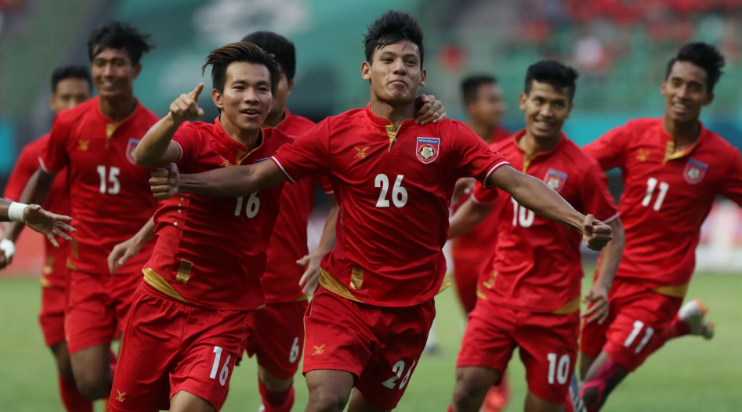
There are indicators of progress as the team moves toward its goals, though they do not always show up in results. The defensive structure has been built better than ever; chaotic phases are less common during matches. It seems the group maintains its shape for longer periods than before, giving it fewer opportunities to be exploited by its opponent.
Also, youth developmental paths have become much clearer. They offer a smoother pathway to developing young players who can fit into the senior national team. There is now continuity within the national team that previously did not exist. Although things may appear to be progressing slowly on the surface, there is a growing cohesiveness and purposefulness among the entire national team’s systems.
Next Steps in Myanmar Soccer
It will take consistent play – not just an occasional strong performance – for fans to see the actual growth of this national team. Though fans may expect results immediately, the way this team plays each match is where the true transformation occurs. As players’ disciplines continue to improve and young players develop further, we will begin to see positive results.