
Extended NBA road trips rarely look dramatic on a schedule grid, yet they quietly test everything about a team. As games stack up across cities and time zones, you’re really watching a contest against fatigue, disruption and mental drift. In the 2025–26 season, NBA teams are averaging about 14.4 back-to-back sets each, slightly fewer than last year, yet road success remains difficult, with teams winning only around 46% of games away from home. That gap highlights how demanding extended travel still is.
Franchises now treat these stretches as performance conditions, where players, coaches and staff move through tightly planned routines that balance rest, preparation and autonomy. You can sense the difference when a team maintains pace and focus deep into a long road swing. These routines are definitely not glamorous, but they are decisive, often revealing how serious an organization is about winning across an entire season.
The logistics behind long NBA road trips
Travel demands across the league vary sharply, so you feel it most in the Western Conference. Teams regularly cover fifty thousand miles or more over a season, with long swings that compress games into unfamiliar rhythms. In 2026, front offices plan these trips months in advance, coordinating charter routes, hotel locations and practice access. Beyond just bouncing back and forth across regions, teams cluster opponents geographically to reduce cumulative stress.
Arrival times are chosen to line up with sleep windows rather than convenience, so when you think about it, even an extra hour of rest can matter after a red-eye flight. Equipment staff ship recovery gear ahead, while performance teams pre-load schedules with lighter practice days. The goal is consistency. If the days feel predictable, players spend less energy adjusting and more energy competing once the ball goes up.
Daily structure that keeps players steady
Once a road trip begins, routine becomes the anchor that keeps players performing despite long stretches away from home. Most NBA teams follow a clear daily rhythm: morning mobility, optional shooting, targeted recovery, film review and intentional downtime. Practices on the road are shorter and more focused on spacing, timing and opponent tendencies, while wearable technology tracks sleep, fatigue and effort to guide workloads, particularly during back-to-back games across multiple time zones.
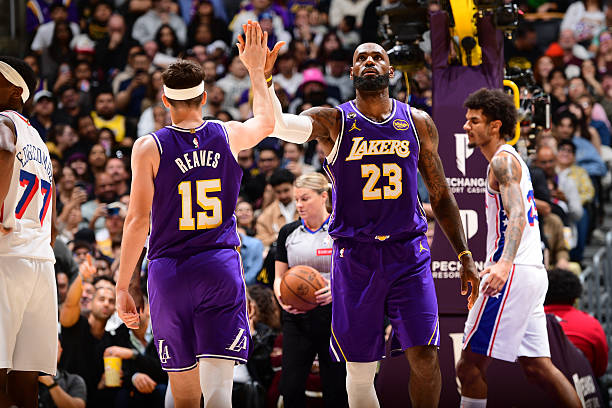
The Los Angeles Lakers provide a prime example of how structure supports performance: meals are carefully planned to reduce inflammation and maintain energy, with lean proteins, anti-inflammatory options and pre-prepared hotel meals for late-night arrivals. Downtime is equally deliberate, allowing players to decompress through gaming, movies or quiet personal time. Looking at what the Lakers’ road routine is like on their long western trips this year shows how predictability and consistency help athletes manage the strain of travel. Ultimately, following a steady routine keeps both body and mind sharp, letting players perform at their best even during grueling multi-city swings.
Sleep, recovery and the science of staying sharp
Sleep sits at the center of modern road performance, so teams design travel to protect circadian rhythms, using late departures or adjusted shootaround times when crossing time zones. Hotel rooms are modified with blackout solutions and white noise, while sleep data helps staff spot patterns of fatigue before they become problems. Recovery tools travel everywhere now, from compression systems to mobile cold therapy units.
You can see how these details add up late in games, when legs still respond, so jump shots don’t flatten out. Recovery sessions are often quiet and individualized, giving players space to reset, while coaches increasingly trust medical feedback when managing rotations, even if it means sitting a starter for a night. Over long trips, restraint can be as valuable as aggression, especially when the schedule tightens and playoff positioning looms.
Team culture away from home
Long trips also compress relationships, for better or worse, and you notice it quickly when a team is away from home for weeks at a time. Teams that thrive tend to lean into shared routines without forcing constant togetherness, giving players structure without suffocation. Meanwhile, group dinners are balanced with personal time, so you’ll often see veterans set the tone by modeling professionalism when fatigue creeps in. You can feel when a roster trusts the process, even after a tough loss on the road.
Coaches use these stretches to reinforce identity, reminding players how they want to play when energy dips and distractions grow. Film sessions emphasize habits rather than blame, keeping feedback steady instead of emotional. Over time, this approach builds resilience that you can recognize in tight games. When adversity hits late in a road swing, players fall back on routine, with that mental steadiness often carrying into the postseason, where hostile climates and travel fatigue return in sharper form.
Why road routines still matter in 2026
As the league continues refining schedules, travel will remain a defining variable, so you can feel its impact if you follow teams closely. What separates contenders is how well they manage the invisible parts of competition, so you start to notice the difference in the flow of a game. You may not see a perfectly timed flight or a shortened walkthrough, but you’ll recognize the payoff in crisp execution and steady energy. Teams that respect recovery tend to close games better and sustain pace across quarters, so if you watch closely, you can see how routines translate into performance.
In 2026, road routines are competitive tools you can measure in minutes played, shots made and turnovers avoided. When a team survives a long trip and returns home playing clean, connected basketball, you understand that planning has paid off. For players, the road becomes less about survival and more about rhythm and for fans like you, it explains why some teams look composed anywhere they play while others visibly fade once the miles add up.