
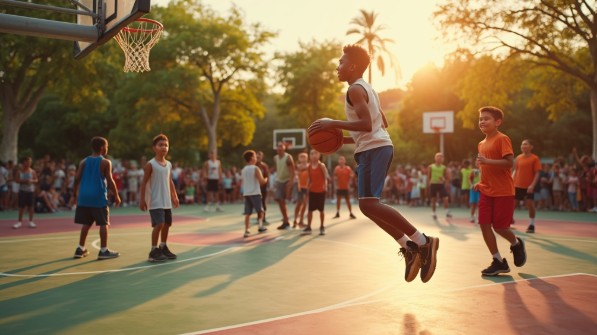
More than just a game, youth basketball serves as a powerful platform for building essential life skills and creating lasting bonds among young athletes.
The sport’s unique combination of physical activity, teamwork, and strategic thinking allows children to develop crucial abilities that extend far beyond the court.
From enhancing social connections to fostering mental resilience, basketball offers a comprehensive framework for personal growth that shapes young players into well-rounded individuals.
Rising Participation Trends in Youth Basketball
Youth basketball has emerged as a powerhouse sport in America, with 14.4 million participants between ages 6-14 actively playing the game.
This remarkable level of engagement shows how basketball has become deeply woven into the fabric of youth athletics, creating lasting impacts on young players’ development.
The sport’s growing influence aligns with broader trends in youth athletics, as 45 million children now participate in organized sports across the nation.
Basketball’s appeal stems from its ability to blend physical activity with social interaction, making it an ideal choice for kids looking to stay active while building lasting friendships.
Here’s why basketball continues to attract young players:
- Minimal equipment requirements make it accessible to most families
- Available year-round through indoor and outdoor facilities
- Offers both competitive and recreational opportunities
- Creates strong team bonds and community connections
- Provides clear pathways for skill advancement
Team spirit plays a crucial role in youth basketball’s success. Players who feel connected to their teams through shared experiences often show increased commitment and motivation.
This sense of belonging helps create an environment where young athletes can thrive, leading to higher participation rates and longer-term involvement in the sport.
National Efforts to Expand Access
The United States has made youth sports participation a national priority, with a bold vision for the future.
The federal government’s commitment to expanding sports access is clear through their ambitious goal of reaching 63% participation by 2030.
This target demonstrates a strong dedication to creating opportunities for children across diverse backgrounds to engage in sports activities.
Local communities and organizations are stepping up to meet these objectives through creative solutions and inclusive approaches.
Schools, recreation centers, and youth sports programs are working together to break down traditional barriers that have limited participation in the past.
These grassroots efforts are transforming how children access basketball programs. By focusing on inclusive strategies, communities are creating sustainable pathways for long-term involvement in the sport.
The push for greater accessibility isn’t just about getting more kids on the court, it’s about ensuring every child has the chance to experience the physical, social, and emotional benefits that basketball offers.
Enhancing Physical Health Through Basketball
Basketball’s role in youth fitness goes far beyond a simple game. The physical benefits are comprehensive, targeting multiple aspects of a child’s development while making exercise fun and engaging.
The physical advantages extend well beyond the court, with basketball serving as a cornerstone activity for long-term health.
Basketball stands out as an excellent choice for developing motor skills and physical literacy.
Kids who play basketball regularly often discover a natural path to staying active, which can help maintain healthy weight levels and reduce the risk of various health conditions.
Plus, teams can boost their unity with fully customizable high-quality baseball caps that showcase their team spirit while protecting them during outdoor practice sessions.
Building Mental Resilience and Focus
Basketball serves as a powerful platform for young athletes to build mental strength and emotional maturity.
The fast-paced nature of the game creates countless situations where players must think quickly, stay focused, and handle pressure.
These real-time demands help kids develop crucial mental skills that extend far beyond the court.
The structured environment of basketball practice and games provides an ideal setting for developing perseverance and mental toughness.
Young players learn to push through physical fatigue, overcome challenging situations, and maintain composure during high-stakes moments.
These experiences shape their ability to handle setbacks constructively, whether they’re facing a tough defense on the court or tackling a difficult test at school.
Through consistent participation, kids naturally develop coping mechanisms for dealing with both success and failure.
They learn that mistakes are stepping stones to improvement, not roadblocks, fostering a growth mindset that serves them in all areas of life.
Developing Social Connections and Teamwork
Basketball creates a unique platform where kids build lasting friendships and social bonds through shared experiences on the court.
Young players learn to support each other, celebrate victories together, and lift teammates up during challenging moments.
The dynamic nature of the game helps children develop empathy and understand the value of working as one unit.
The sport naturally brings together kids from different backgrounds, creating an inclusive environment where they can learn and grow together.
The team environment extends beyond the court, as players often form study groups, attend social events together, and support each other in various aspects of life.
These connections help build confidence and create a support system that benefits young athletes in their personal development.
Kids who play basketball regularly also tend to show improved leadership abilities and better social adjustment in school and other group settings.
Instilling Lifelong Values
Basketball shapes young athletes far beyond the court, creating a powerful platform for character development.
Through regular practice sessions and game situations, players naturally develop discipline and responsibility as they follow training schedules, maintain their equipment, and show up prepared for team commitments.
The sport offers countless opportunities for personal growth and moral development. Each game presents situations where players must make split-second decisions, showcasing their integrity and commitment to fair play.
These core values extend well beyond basketball, helping young athletes succeed in school, relationships, and future careers.
Players who participate in organized basketball programs often demonstrate stronger leadership qualities and better decision-making skills.
Laying the Foundation for Future Opportunities
Early involvement in basketball creates countless pathways for young athletes to shape their futures.
The skills gained through dedicated practice and competition extend far beyond the court, preparing players for success in various aspects of life.
Basketball helps young athletes develop a strong foundation of transferable skills. Players who start early benefit from a well-rounded development program, combining physical training with strategic thinking.
Having the right gear helps build team identity while fostering confidence and professionalism.
Youth basketball participation continues to grow, with more children engaging in organized sports nationwide. These early experiences often lead to valuable opportunities in education and career advancement, making basketball an excellent stepping stone for ambitious young athletes.
Final Thoughts
Youth basketball stands as a transformative force in developing well-rounded individuals, reaching far beyond just athletic prowess to shape character, build relationships, and create lasting life skills.
The sport’s ability to blend physical development with social growth and mental resilience makes it an invaluable platform for youth development.
Through basketball, young athletes learn essential life lessons about teamwork, perseverance, and leadership that will serve them well into adulthood, while building lasting friendships and community connections that extend far beyond the court.