
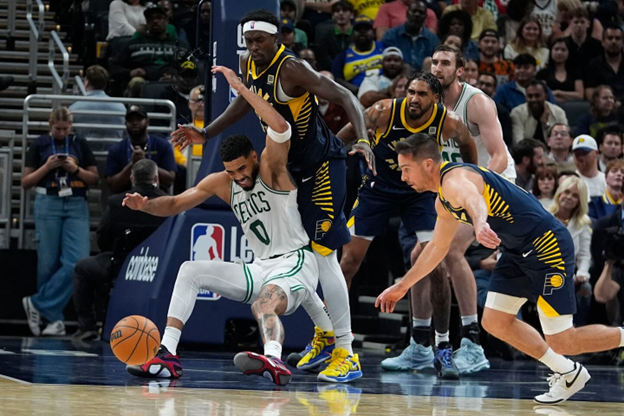
1. Redefine the Season’s Purpose
When the wins aren’t coming, it’s easy for players and coaches alike to lose motivation. That’s when it’s critical to reframe the season’s goals. Ask: “If we’re not going to be defined by our record, what will we be defined by?”
- Effort benchmarks (e.g., diving for loose balls, team defense)
- Skill development (e.g., improved shooting mechanics, defensive footwork)
- Culture building (e.g., accountability, communication)
- Mental toughness (e.g., body language after a turnover)
By shifting the team’s focus away from the scoreboard and toward process-oriented goals, you give players something meaningful to pursue even when the win column isn’t growing.
2. Be Transparent—but Steady—in Communication
Your players know the situation. They see the scoreboard, the standings, and the locker room vibes. Ignoring the obvious or faking optimism can damage your credibility.
Instead, be honest—but steady. Acknowledge the challenges, but emphasize what the team is still fighting for.
Example team talk:
“We’re not where we want to be. But that doesn’t mean we stop competing. Every game is a chance to grow, every practice a chance to sharpen our identity. Losing isn’t our story—it’s just a chapter.”
Great coaches don’t run from adversity—they walk through it with their teams, modeling calm and conviction.
3. Build Individual Confidence Through Small Wins
In a losing season, it’s easy for players to feel like nothing is working. That’s where coaches must become masters at spotting—and celebrating—small victories.
- A player finally using a left-hand finish in traffic
- A team improving its rotation speed on defense
- A bench player stepping up in limited minutes
Celebrate these moments. Highlight them in film. Use them as momentum. These micro-wins restore confidence and give players a sense of progress even in defeat.
4. Stay Consistent With Standards, Not Outcomes
During tough stretches, some coaches start “loosening up”—reducing demands or lowering expectations in the name of boosting morale. But players don’t need leniency; they need consistency.
What worked when you were winning should still apply when you’re losing—on-time attendance, film session intensity, execution in drills. Culture isn’t real if it only exists in the good times.
Be the same coach, win or lose. Your players are watching—and learning.
5. Encourage Leadership From Within
A losing season can either divide or unite a team. Coaches who cultivate internal leadership ensure it’s the latter.
Assign roles:
- Who leads warmups?
- Who runs film breakdown for their position group?
- Who sets the standard on the bench during games?
When players feel ownership of the team—rather than just taking directions—they’re more likely to stay engaged and invested, regardless of the record.
6. Balance Accountability With Empathy
Accountability remains crucial, but in losing seasons, empathy matters even more.
Players might be dealing with self-doubt, criticism from peers or parents, or frustration with their own development. One-on-one conversations become vital:
- “How are you handling this stretch personally?”
- “What’s been hardest for you lately?”
- “What can I do better as your coach?”
These moments don’t just build trust; they humanize the coaching relationship, reminding athletes that their worth isn’t tied to the scoreboard.
7. Use Film as a Teaching Tool, Not a Weapon
Film sessions in losing seasons shouldn’t be about blame—they should be about learning.
Focus on:
- Improvement from previous games
- Tactical adjustments done correctly (even if the shot didn’t fall)
- Situations that show growth in communication or spacing
Keep it constructive. Instead of only dissecting mistakes, highlight progress and potential. You’re building future habits, not just critiquing past ones.
8. Find the Right Mental Breaks
Mental fatigue is real during tough seasons. While grit is important, burnout hurts both morale and performance.
Incorporate:
- Off-day activities like team dinners or film nights
- Fun competitive games in practice (like 3-on-3 tournaments or even a one-off round of Tongits from Gamezone just to lighten the mood)
- Guest speakers or alumni check-ins to inspire and reset
Strategic mental breaks can keep the group connected and relieve mounting pressure without compromising the competitive spirit.
9. Make Time for Staff Reflection
It’s not just the players feeling the pressure—you are, too.
Use downtime to:
- Review your systems and coaching philosophy
- Identify communication breakdowns or areas of friction
- Revisit how you define success as a coach
The coaching staff should also support one another emotionally. Sharing frustrations, encouraging each other, and keeping perspective are all part of weathering a losing season.
10. Plant Seeds for the Future
A losing season is fertile ground for change—player development, system adjustments, even identity shifts.
Use the time to:
- Develop younger players with extended minutes
- Experiment with new sets or defensive looks
- Set offseason expectations early and clearly
Let the team know: this year’s pain will fuel next year’s progress. Great programs aren’t built during championships—they’re forged in hardship.
Conclusion: The True Scoreboard
It’s easy to let the record define the season—but the best coaches know better. They understand that the scoreboard only tells part of the story. The real measure is growth—mental, emotional, tactical, and cultural.
Coaching through adversity is tough. But when done right, it builds not only better athletes, but stronger people. And that, ultimately, is what coaching is all about.