
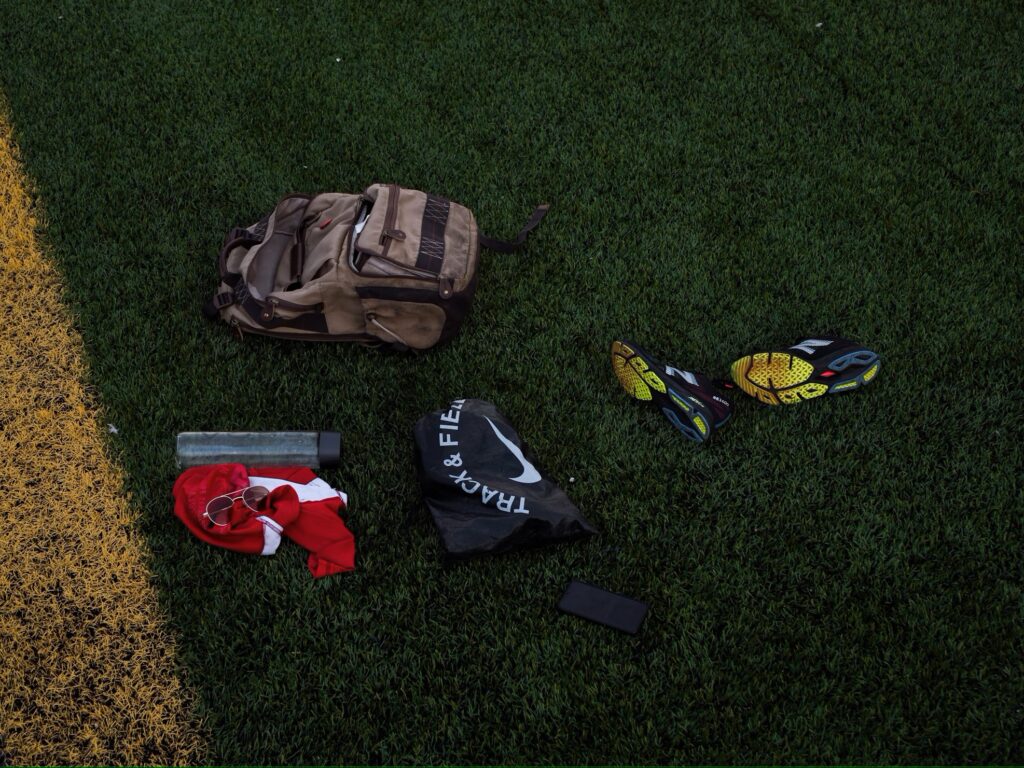
When you think of student-athletes, you might picture talent, hard work, and dedication. But behind every great performance is a critical factor often overlooked: the right gear. The equipment you use plays a crucial role in your success and safety on the field, court, or track.
For student-athletes balancing academics, competition, and health, having the right gear isn’t just a luxury; it’s a necessity. Quality equipment can enhance performance, prevent injuries, and provide the confidence to excel in the chosen sport. Moreover, it can affect your health and long-term well-being.
This blog post addresses why choosing the right athletic equipment isn’t just about looking good; it’s about playing smart.
The Student-Athlete Landscape
According to the California Learning Resource Network, there are around 8.5 million high school and college student-athletes in the United States. These young competitors represent diverse backgrounds and participate in dozens of different sports. Only football (nearly 1,085,700) has more high school athletes than basketball (747,044).
Track and field has the third-highest participation rate, involving over 645,055 students. Likewise, 340,000 student-athletes compete at NCAA member institutions. NCAA Division II schools had 60,000 student-athletes undertaking competition, while NCAA Division III schools had about 20,000 student-athletes.
The economic reality for many of these athletes presents challenges. Equipment costs can range from a few hundred dollars for basic sports to several thousand for specialized activities. This financial barrier often leads students and parents to make difficult decisions about where to invest their limited resources.
The right gear can significantly improve your athletic performance. Sport-specific equipment is designed with the unique demands of each activity in mind. The right equipment doesn’t feel better; it delivers measurable performance advantages.
Hidden Risks in Athletic Wear
The look and feel of your sportswear isn’t the only thing to watch out for. Not all gear is created equal. Many athletic brands use chemicals that can harm your health. Recent studies reveal alarming levels of harmful chemicals in sportswear. For instance, the Center for Environmental Health found BPA, a hormone-disrupting chemical, in leggings, shorts, socks, sports bras, and athletic jerseys.
The tested products could expose the wearer to up to 40 times the legal BPA dosage set by California law. The products belonged to Athleta, Champion, Kohl’s, Nike, Patagonia, Sweaty Betty, Fabletics, Adidas, and Champion. Following the findings, the CEH sent regulatory advisories to these brands in May 2023, asking them to revise their products to eliminate all bisphenols.
Similar to BPA, popular brands are facing scrutiny for using PFAS (“forever chemicals”) in water-repellent fabrics. These chemicals don’t break down and have been linked to thyroid issues and weakened immunity. These chemicals are added during manufacturing to make water-, stain-, and wrinkle-resistant fabrics.
However, when you sweat, these chemicals can be absorbed through your skin. This isn’t just about a one-time exposure. You wear these clothes daily and often for hours; the repeated contact can lead to a buildup of chemicals in your body over time. This is especially dangerous if you’re young and still developing physically.
What Gear Makers Won’t Tell You
Recent research has also found that chemicals like PFAS can affect how your body handles fat. A 2023 study reveals that exposure to these substances can lead to weight gain, even in people who eat well.
For student-athletes, that’s a big deal. You work hard to stay in shape, and your gear shouldn’t work against you. Many manufacturers are now facing backlash over the use of PFAS. These chemicals don’t just harm people; they pollute and erode the environment. PFAS don’t break down easily and can leach into water supplies and soil, impacting entire communities.
TruLaw reveals environmental protection initiatives now rely on discovering toxic zones, observing PFAS values, and creating effective cleanup protocols. However, this growing concern isn’t limited to sportswear. Firefighting foam has been in the spotlight for similar reasons.
Exposure to PFAS in that foam has led to health problems and litigation, including the AFFF lawsuit, which highlights the seriousness of the risks. What does this mean for you as a student athlete? It means you should ask more questions about what’s in your gear. If companies are being taken to court over these chemicals, it’s worth reconsidering what you put on your skin.
The Risk Isn’t Limited to Clothes
Accessories like smartwatch bands also carry risks. A 2024 study published in ACS Publications found that 15 out of 22 bands, especially waterproof ones, contain PFAS. Moreover, researchers discovered that the PFAS concentration was much higher than that in retail products and textiles. Since these bands stay on your skin for long periods, they can be harmful.
Most people wear these devices while sweating, making it easier for chemicals to enter the body. If you’re training daily with these on, that’s a lot of exposure you probably didn’t even think about. Next up, you have nutrition. Student-athletes put a lot of effort into their diet. You should check your protein powder for heavy metals.
According to a 2023 Clean Project Label report, over 45% of protein powders on the market contain toxic metals, which can cause long-term complications. But if you’re that concerned about what goes into your body, you should be just as careful about what sits on your skin. The same is true for gear that includes toxic chemicals. Your health routine should cover both fronts.
People Also Ask
Q1. What should student-athletes look for when buying athletic gear?
Look for lightweight gear that fits well, supports movement, and uses non-toxic or high-quality natural materials. Check for certifications or claims like “PFAS-free” or “BPA-free.” It’s also smart to read reviews and research brands that focus on safety and long-term wear quality.
Q2. How often should student-athletes replace their gear?
Replace high-use items like running shoes every 300–500 miles or when you feel reduced support. Swap clothes if they lose shape or elasticity or become worn out. Fresh gear helps prevent injuries and keeps chemical exposure from degraded fabrics low.
Q3. Can washing sports gear reduce chemical exposure?
Yes. Wash new gear before using it to remove surface chemicals. Use gentle detergents and avoid fabric softeners, which trap residues. Studies show repeated washes reduce PFAS levels, though they don’t eliminate them. Opt for natural fibers, which shed chemicals faster.
Choosing the right gear isn’t about chasing trends. It’s about protecting your body, now and in the future. Whether it’s the clothes you train in or the accessories you wear daily, you should know what’s in them and how they affect you.
Comfort, safety, and performance all matter. And with better options on the market, there’s no reason to settle for gear that could hurt you. So, start paying attention. The right gear does more than support your game; it supports your health.