ZACH SETTEMBRE – TARLETON STATE UNIVERSITY MENS’ BASKETBALL ASSISTANT COACH – EPISODE 1066

Website – https://tarletonsports.com/sports/mens-basketball
Email – [email protected]
Twitter/X – @ZachSettembre

If you listen to and love the Hoop Heads Podcast, please consider giving us a small tip that will help in our quest to become the #1 basketball coaching podcast.
Zach Settembre is a Men’s Basketball Assistant Coach at Tarleton State University in Stephenville, Texas. This is Zach’s second stint on the Texan staff having previously been an assistant in the 2022-23 season, before departing at the end of that season to join Tarleton graduate and former Texan assistant Jason Hooten at New Mexico State for 2023-24. He also spent one season as an assistant at Coastal Carolina.
Prior to Coastal Carolina, Settembre was the Head Coach at Tallahassee Community College in the JUCO ranks where he led the Eagles to back-to-back Panhandle Conference Championships, a 46-9 overall record, and was named the Panhandle Conference Coach of the Year in both seasons.
Settembre is a 2012 graduate of Syracuse and served as a student manager under Jim Boeheim.
Following his college graduation, Settembre returned home to Kentucky and worked as a freshman head boys basketball coach at Iroquois High School (2012-13) and Ballard High School (2013-14). Next, as the Head Coach at Louisville Collegiate School Settembre guided the program to a school-record 23 victories and a trip to the All “A” State Tournament. He was named the KABC (Kentucky Association of Basketball Coaches) and Courier-Journal Seventh Region Boys Basketball Coach of the Year.
He then pivoted to the college game, as he joined legendary coach Happy Osborne’s staff at Kentucky Wesleyan College which led to him moving up the ladder in the college game.
On this episode Mike & Zach discuss the significance of building trust and meaningful relationships within the realm of coaching and player development. Settembre shares insights derived from his extensive coaching experience, emphasizing the foundational role that trust plays not only in fostering team cohesion but also in enhancing individual player performance. He articulates how effective recruitment hinges on identifying players who demonstrate not only talent but also the character and work ethic conducive to a successful team environment. Moreover, Settembre reflects on his journey through various coaching positions, highlighting the invaluable lessons learned from each experience and the continuous evolution of his coaching philosophy. Ultimately, this episode offers a profound exploration of the intricate dynamics of coaching, underscored by a commitment to nurturing relationships built on trust and mutual respect.
Follow us on Twitter and Instagram @hoopheadspod for the latest updates on episodes, guests, and events from the Hoop Heads Pod.
Make sure you’re subscribed to the Hoop Heads Pod on iTunes or wherever you get your podcasts and while you’re there please leave us a 5 star rating and review. Your ratings help your friends and coaching colleagues find the show. If you really love what you’re hearing recommend the Hoop Heads Pod to someone and get them to join you as a part of Hoop Heads Nation.
Be ready to take some notes as you listen to this episode with Zach Settembre, Men’s Basketball Assistant Coach at Tarleton State University.
What We Discuss with Zach Settembre
- Trust is a fundamental principle that guides relationships and success in coaching. It is the ultimate currency in coaching and life
- Recruiting high-quality players who are not only talented but possess strong internal motivation is essential
- Being self-aware is crucial for personal and professional growth
- The role of a coach extends beyond training players; it involves building meaningful relationships that foster a supportive environment
- The need to adapt to the evolving landscape of college basketball, particularly in navigating the challenges of player recruitment and retention
- Why it is crucial to have a clear understanding of roles and expectations within the coaching staff
- The approach to practice must prioritize mental readiness and enthusiasm
- Supporting the head coach is a primary responsibility as an assistant
- Coaching requires a deep commitment to the development of players, both on and off the court, emphasizing the significance of character and work ethic
- The dynamics of college basketball recruiting have evolved, necessitating an understanding of personal relationships and the impact of family support systems
- High school coaching offers unparalleled joy and fulfillment, allowing for a direct impact on the lives of young athletes and fostering a love for the game
- Coaches must align their actions with their words
Like this show? Please leave us a review here — even one sentence helps! Consider including your Twitter handle so we can thank you personally!

We’re excited to partner with Dr. Dish, the world’s best shooting machine! Mention the Hoop Heads Podcast when you place your order and get $300 off a brand new state of the art Dr. Dish Shooting Machine!

Prepare like the pros with the all new FastDraw and FastScout. FastDraw has been the number one play diagramming software for coaches for years, and now with it’s integrated web platform, coaches have the ability to add video to plays and share them directly to their players Android and iPhones via their mobile app. Coaches can also create customized scouting reports, upload and send game and practice film straight to the mobile app. Your players and staff have never been as prepared for games as they will after using FastDraw & FastScout. You’ll see quickly why FastModel Sports has the most compelling and intuitive basketball software out there! In addition to a great product, they also provide basketball coaching content and resources through their blog and playbank, which features over 8,000 free plays and drills from their online coaching community. For access to these plays and more information, visit fastmodelsports.com or follow them on Twitter @FastModel. Use Promo code HHP15 to save 15%
Your first impression is everything when applying for a new coaching job. A professional coaching portfolio is the tool that highlights your coaching achievements and philosophies and, most of all, helps separate you and your abilities from the other applicants.
The key to landing a new coaching job is to demonstrate to the hiring committee your attention to detail, level of preparedness, and your professionalism. Not only does a coaching portfolio allow you to exhibit these qualities, it also allows you to present your personal philosophies on coaching, leadership, and program development in an organized manner.
The Coaching Portfolio Guide is an instructional, membership-based website that helps you develop a personalized portfolio. Each section of the portfolio guide provides detailed instructions on how to organize your portfolio in a professional manner. The guide also provides sample documents for each section of your portfolio that you can copy, modify, and add to your personal portfolio.
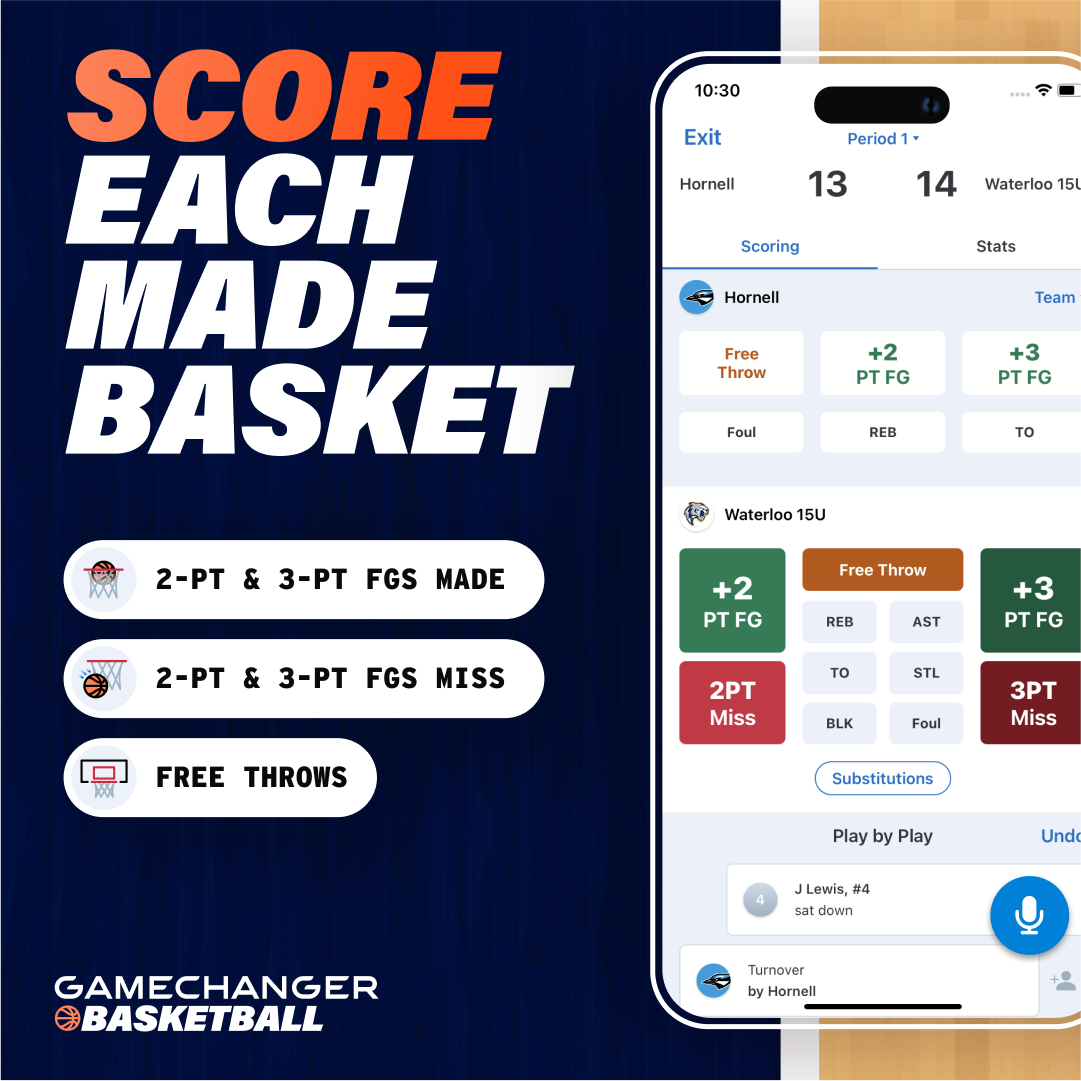
Hey, coach! Want to take your team to the next level this season? Introducing GameChanger, the ultimate game-day assistant with tools to give you a winning advantage. With GameChanger, you can track stats, keep score, and even live stream games, all for free! Get the stats and crucial game video you need to lead your team to victory, all from the palm of your hand. Coach smarter this season with GameChanger. Download GameChanger today on iOS or Android and make this season one to remember. GameChanger. Stream. Score. Connect. Learn more at GC.com/HoopHeads
THANKS, ZACH SETTEMBRE
If you enjoyed this episode with Zach Settembre let him know by clicking on the link below and thanking him via Twitter.
Click here to thank Zach Settembre via Twitter
Click here to let Mike & Jason know about your number one takeaway from this episode!
And if you want us to answer your questions on one of our upcoming weekly NBA episodes, drop us a line at [email protected].
TRANSCRIPT FOR ZACH SETTEMBRE – TARLETON STATE UNIVERSITY MENS’ BASKETBALL ASSISTANT COACH – EPISODE 1066
[00:00:00] Mike Klinzing: Hello and welcome to the Hoop Heads Podcast. It’s Mike Klinzing here with my co-host Jason Sunkle tonight and we are pleased to be joined by Zach Settembre from Tarleton State University. Zach, welcome to the Hoop Heads Pod.
[00:00:15] Zach Settembre: Thank you guys. Really thrilled to be here. Appreciate you having me.
[00:00:20] Mike Klinzing: We are excited to have you on. Looking forward to diving into Your coaching career, let’s start by going back in time to when you were a kid. Tell me about your first experiences with the game of basketball. What made you fall in love with it?
[00:00:31] Zach Settembre: Basketball was something that I always did with my dad. So my dad and I are extremely close.
He’s my best friend. Getting to spend any time with your dad as a kid is the best time, right? And your parents in general, I got the best parents in the world. Two totally overwhelmingly supportive people. But dad was always my coach from age seven or eight all the way up. So I was probably a lot. A lot, to be honest, I was a little spoiled probably because dad was running plays for me even really early when I wasn’t any good, so I was a little spoiled with with that, but probably didn’t, I didn’t realize how bad of a player I was until dad stopped coaching me, right?
But no, I was, I was lucky to be able to create some real memories with dad. When you grow up in Louisville, Kentucky, basketball is in the blood, right? Like it’s, There’s, there’s very few things that rank more important than basketball in Louisville, Kentucky and Kentucky in general. I mean, there’s, I think in my opinion, the best rivalry in college basketball is Louisville versus Kentucky, but there’s just not a whole lot that takes precedent over.
Over the sport and the game of basketball where I’m from. So when you’re around people that all didn’t want to talk about is Kentucky or Louisville basketball or high school basketball, region six to region seven in Louisville, Kentucky, two really big deals in high school basketball. So just around a lot of people that love the game came from a sports family, the September family is very sports oriented, my mom’s family, the same way I had grandparents and aunts and uncles at every game I played basketball, baseball, whatever it was.
So. Really, really spoiled and fortunate to have a, an extremely supportive family that still comes around the country and drives or flies wherever to, to watch me watch me coach, which is really, really cool.
[00:02:11] Mike Klinzing: Who were your heroes growing
[00:02:12] Zach Settembre: up? to be honest, when you coach, when you, like when you’re a basketball guy and I, look, I’m five, 10 and a half on my very best day.
I can’t jump over a credit card or a piece of paper. So I knew pretty early if I was going to be at a game, it was going to be coaching, right? Or broadcasting. It wasn’t going to be playing. But when you. your first hero is your dad, right? My dad was a middle school coach, a high school coach. So I looked up to him from day one when I was in first or second grade.
I got to sit on his bench wherever he was coaching. And that was my first exposure to the game. So my dad’s always the first hero I look up to. But at the time as a kid, Rick Pitino was coaching Kentucky. Denny Crum was coaching Louisville. And then when coach crumb left Louisville, obviously coach Patino took over and tubby Smith was at Kentucky and I’m fortunate enough to work for a guy that I watched coach grow up right now, I work for Billy Gillespie, who was the coach at Kentucky, my junior and senior year of high school and got to go to some of the games that he was coaching in.
So it’s, it’s incredible how small this basketball world is, but everybody that. To me was a really hard worker as a somebody I could look at as a hero, right? Like there everybody thinking in life, everybody’s jealous of what you have, right? If you’re, if you have, if you have something, people can be jealous of what you have, but nobody’s jealous of how you got it or what you had to do to get it.
Right. Everybody wants the view. Nobody wants to climb. So all the people that have success, whether it’s in sports or business, as a kid, I was taught really young to look up to people that are, that are successful. So I think that. The thing that growing up a September a success is not it’s not an option.
It’s, it’s mandatory. So really spoiled to be around people that asked a lot, demanded a lot. And hopefully I, I can represent the name as I continue to progress in this coaching career.
[00:04:03] Mike Klinzing: When you think about the influence of your dad as a coach, and then you think about yourself and who you are and what you’re all about when it comes to coaching, what’s something that.
When you look back that you feel like you took from your dad, that still is a part of you, even today in terms of coaching.
[00:04:24] Zach Settembre: Well, I think coaching, but even outside of coaching, outside of basketball, anywhere in life, I think what I learned from my dad more than anything was probably trust. Like trust is the most expensive thing in the world because cheap people can’t afford it.
It’s it’s the ultimate currency. It’s more valuable than money or fame or power. And when you have trust, doors open. Opportunities come knocking, cheat people, they try to cut corners, they, they lie, they cheat, they break promises, they think they’re smarter than everybody, they’re, they’re broke, they’re bankrupt in areas that matter.
And, I think from from my dad, I understood really early, like, real success comes from being solid, being dependable being reliable and being a man of your word. So, I think in, as a coach, I try to really, in, in recruiting, in, in coaching guys that day to day that we’re around guys on our team.
You try to get them to understand that the principles are the same in the streets, in the boardroom, in basketball. Trust is everything. And long term success is about building trust. And my dad taught me really early, build trust, build that with your life. And cause once it’s gone, you can’t get it back.
And every, every action, every word you’re depositing into your trust account or you’re withdrawing from your trust account and it’s not free, it’s earned. So My dad is I don’t know if, if you’ve ever seen the movie, The Town, right? So Ben Affleck and Jeremy Renner, there’s that scene where Ben Affleck walks in.
He says, Hey, I need your help. I can’t tell you what it is. You can never ask me about it later. And we’re going to hurt some people. And again, Jeremy Renner says, Hey, whose car are we going to take? Right. And not that I’m advocating for violence. Right. But that’s, that’s who my dad is. There’s no
[00:06:04] Mike Klinzing: way Mike has ever watched that movie.
It is too new for him to have watched it. Mike, true or false? Watch it. Now, I’ve never seen it. I got to get out and watch this movie now. So it’s just so I can relate. It’s a good, it’s a good one. It’s, it’s the town at Baton, I feel like Matt Damon and it’s in Boston if you couldn’t have guessed that already.
There you go.
[00:06:24] Zach Settembre: Yeah. So it’s, but it’s, it’s really about trust and friendship and loyalty and those lessons are not, I mean, that’s life. And so my dad taught me trust. I, I trust him with my life and there’s, there’s just so few people that we all have that we really and truly trust. Right. And when you have people that you can count on, I mean, again, when you build a staff, I was lucky to be a head coach really early.
I had people around me that trusted implicitly. So that’s that’s what I learned more than anything from my dad. Trust is, is really, really, really hard to earn, but it’s the most expensive thing in the world. Cause you can’t you can’t necessarily do it any way other than organically being yourself and being solid, being dependable.
[00:07:06] Mike Klinzing: You talked a little bit about being. Realizing that as a player, that your ceiling maybe was capped by your physical limitations and that you started thinking about being a coach. So while you were playing, this is something interesting, Zach, that over the course of time in the podcast, when we’ve talked to so many different people, there’s kind of two different paths that people come to coaching, right?
There’s the guy who’s playing and playing and focused on being a player, and then their career comes to an end. And they look around, they’re like, well, what do you mean basketball’s over? How, how am I going to stay in the game? And then at that point they turned to coaching. And then it sounds like there’s the path that maybe you were on where you knew from a young age, especially with your dad being in the coaching profession, that coaching was maybe the direction that you wanted to go.
So. When you were playing, did you find yourself thinking not only as a player, but also thinking about the game from a coaching perspective? Did you look at yourself almost as, again, the coach on the floor trying to coach your teammates? How did you, I guess, what was your mentality like as a player in terms of relating to what potentially could have been your future in coaching?
[00:08:21] Zach Settembre: To be honest, I always wanted to win, which I know sounds cliche, right? It’s coach speak. But winning is so much fun. But beating someone else is better, right? So why go to a tournament? Why go to a game if you don’t expect to win? And I would say there’s probably, I don’t know, there’s 364 Division I schools.
Everybody’s got three or four or five assistants now. So whatever the math is on that, however many Division I assistants there are in the country, I’m probably one of not many that didn’t play high school basketball. So I didn’t play past eighth grade. it’s a, there’s a, it’s a funny story, but I’m playing intramural basketball at my high school.
I went to all male, private Catholic high school, St. Xavier high school in Louisville, Kentucky. So 1500 guys, really big intramural deal. Cause you can only have 13 or 14 players on the team, right? So, we’re playing intramural basketball. I’m a sophomore, a junior. I’m playing with all my friends. We had a really good team because even then, I was recruiting the best players.
Not necessarily my friends, but the best players because I wanted to win. So, when the tournament started, we played three games. I didn’t play one minute. And we had one of the parents of another guy on our team like, Zach, why aren’t you playing? This is intramural basketball. I looked at, I turned around and looked at, Look, his name was Pat.
No, I looked at him. I said, Pat, I want to win. I don’t want to play. I want to win. So the mindset really early playing, I always had the mindset of a coach. I was, we were going to play the best players. I wasn’t one of the best players, even on my intramural team. At, at st. S high school in 2008. So I wanted to win.
I’ve always wanted to win. I, I think it’s probably a something that’s helped me a lot. Competitive spirit. It’s probably hurt me in some situations too. I 34 years old, I look 54. My hair’s almost totally , but I learned early. You,
[00:10:04] Mike Klinzing: you still, you still got some, Zach? Yeah. You still got, you still got a little bit, so you’re ahead of me, man.
Good work.
[00:10:10] Zach Settembre: Winning’s better, I, like, in coaching, this, and, and to be great at anything, you gotta have passion for what you do. Elite, elite success is so hard. It’s so hard, right? Any, any rational person would give up because you have to do hard work, consistent work. You have to overcome challenges over a sustained period of time, and if you don’t love it, no matter what you’re doing, basketball, business, whatever it is, you’ll eventually give up.
People that love it can persevere when things get hard. If you don’t love it, no matter what you’re doing, you’re probably going to fail because I think the most annoying person who is successful is the person that deserves it, not the person who doesn’t deserve it, right? If you can write the person off who doesn’t deserve it, the guy that wins the lottery, right?
That’s easy to write off, but you, the person that you see who’s broken themselves in half a million times and climbed over mountains and worked to overcome hardship. That maybe they’ve come out of a rough, difficult background. there’s, there’s just things that it takes to become successful.
I think it’s biologically necessary to struggle and to, to really suffer, to be great. I really believe that. And if you’re, if you’re uselessly wasting your life away people, people that are really successful are going to look at you and you’re, you’re not a super high achiever to them.
Right. So to me, you have to love it and you have to be, you have to be annoyed by not being extremely successful. I, I just. I have a hard time, like the reason I work for Billy Gillespie, Coach Gillespie, he’s the best, but the reason I work for him is because he, he’s the most demanding dude in the world.
And I, I worked here, I left, I went to New Mexico state, I came back and I love Jason Hooten. He’s an outstanding coach. They won a huge game at Jacksonville state tonight, it was 10 and three in conference USA play going into tonight, but Coach Gillespie is a guy that I, we’ve got a great relationship.
He’s a friend, he’s a mentor. He is so demanding all the time and I appreciate it. And there’s, there’s very few people that care about you enough in the world to be unrelenting and he, he is that. So I’m on it. I’m on a tangent, but I,
[00:12:21] Mike Klinzing: no, no, no. Tell me, let’s go, let’s go that direction. Tell me, we’ll jump, we’ll jump back to.
You getting into the coaching profession, but let’s stay on that demanding piece of it from coach Gillespie. What does that look like when you say, okay, somebody who’s listening to the podcast, who maybe is a high school coach or just starting out in their college coaching career, when you say that he’s demanding, and obviously you’re framing that in a hugely positive way.
So what does that mean for you? As an assistant coach, how does that help you to be at your best on a daily basis? And what does that look like?
[00:12:52] Zach Settembre: The thing I’ve learned from coach is to be extremely proactive about everything. Always thinking ahead. We never want to be playing defense as far as what does recruiting need to look like, what is practice planning?
Are we watching film with the guys who needs to work out? Who do we need to talk to? Who needs a conversation? Because they shot one for seven in the last game. I think that there’s a few things that coach expects from his staff that. If and when I get a chance to be a head coach again, I’ll bring with and that’s your attitude, right, your outlook, your disposition, something that, that you control that your attitude is contagious.
And in recruiting, we try to look for guys that have a happy, positive disposition, because if you’re not around enthusiastic people, it’s again, it’s just no fun to come to work, right? So you want to be consistently passionate, consistently enthusiastic. You don’t want to be fake. You want to be yourself.
And hopefully you’re wired that way. I don’t remember. There was a coach a long time ago. I heard a quote. Don’t curse the darkness. Light a candle. Right? There’s, we don’t want to be around people that are always looking at, at the glass half empty. I think coach is great at asking you to control what you can control and getting you really focused on the things that you have control of.
How do I maximize and be the best version of myself? In each of those areas, right? Your relationship with the players, treat every player like he’s your son but be somebody he respects, not his friend, have honest, sincere communication, take responsibility for what you do, get the players to take responsibility for what they do, right?
Nick Saban, Bob Knight, all these guys you’re coaching it or you’re allowing it to happen, right? That quote’s been attributed to a lot of guys. So coaches, coach is a teacher and coach As an assistant, you’re always thinking, okay, if I’m a teacher, what do I need to do? I need to be prepared meetings, making edits have the checklist of, okay, if I’m coaching the guards, what do we need to do in pre practice today?
if I’m, if I’m thinking about as a professional, how do we need to develop, right? What do we do? Well, what do we not need to do? Well, how do we need to change again? Energy. The most important time of the day is practice. Our focal point. Tarleton is practice. Practice is everything to us. So if that’s the most important time of the day that you’re spending with the players in practice, how do we make sure they’re mentally ready to practice?
Get with them, watch film, have a conversation, send them whatever. It can be something really small. Send them a 15 second video or whatever it is and again, just ask, constantly be evaluating your own, your own things. Ask questions of yourself. Be a self scouter, right? What did I do well in this situation?
What did I not do well? If you’re obvious if you’re, obviously, if you, if you’re willing to look in the mirror, right, and, and give yourself an honest evaluation, top to bottom, what am I doing well, what am I not doing well? If you’re honest enough to do that, then you’re going to have success because you’re always going to be able to give yourself feedback, give your players feedback, and and be able to, to help the dialogue be positive, be constructive, but also firm in that, hey, these are the things we have to do.
If you say you want to be a pro. I think coach has coached something like 170 pros in his 40 year coaching career, however long he’s coached. How do they, how do they do that? Well, they have a work ethic. They have a a consistent everyday approach to, to practice and they bring it, right? They put their hard hat on.
They got contagious. energy. They’re enthusiastic. And again, a lot of it’s coach speak, but I think again, we’re, we’re going on these quotes. Jim Harbaugh said, if you’re not fired with enthusiasm, you’ll be fired with enthusiasm. I love that. It’s the truth. So again, I can talk all day about that, but coach, I love coach.
there’s no question about that. I’m, I’m grateful to have an opportunity to be around someone that has had so many good players, but also a tremendous amount of successful assistant coaches that have gone on to become division one head coaches. But again, it’s because when I say the, when I use the word demanding, he’s very fair.
The outline of what’s expected is very clear. The dialogue is direct. You never, you’re never thinking what’s expected of me. There’s, there’s no lack of clarity around that. So as long as you bring it every day and you try to think, how can I help Tarleton get better today? you can have success.
You feel
[00:17:21] Mike Klinzing: like, and you mentioned the ability to be self aware and to be critical of yourself and to be aware of. What you’re doing well, maybe what areas you need to improve upon. Do you feel like that’s something that you had from early on in your career? Or do you feel like maybe when you were younger, you were a little less secure and maybe more trying to hide the flaws or imperfections that you might’ve had as a coach.
When did you develop that ability to look at yourself and say, Hey, I need to do this better, or I’m willing to go and seek feedback from maybe my head coach when I’m being an assistant. Where did that come to you in your career? Or was that something that you feel like you always had that was maybe instilled by your father?
I’m just curious.
[00:18:05] Zach Settembre: I would say it’s constantly developing. Working for coach has helped me. Be more humble helped me be a better and more thorough evaluator of my own performance. To be honest, I wish I was less self aware. First of all I would, I’d have more success in the dating school I wouldn’t feel so bad about scarfing down Chick fil A 20 minutes before and deciding to get the brownie, even though I really don’t need to eat the brownie.
Right. So I wish I was a little less self aware in those areas. But to be honest, I think when you’re, when you’re around successful people, you just You try to figure out why are they successful. Really smart people understand what they’re good at and they understand what they need to do better. Or they hire people in areas where they’re not strong.
I would say coaches helped me a ton. Coach Gillespie has helped me a ton in realizing where I personally need to be better as a coach, as a man. I thought, I also think it’s, it starts at home with your parents telling you, Hey, this is really good and this is not very good. I was lucky to have parents that were.
Willing to tell me the truth. Now they’re, they’ll put the most sugar coated version on it at times. Their parents, they see things through their own certain way. And they’re, they’re glasses that may or may or may not be totally accurate, right. Of what my ability is, whether it’s a coach or a player or whatever.
But I think with coach, there’s just not, there’s just not a lot left to like, he’s not coach Gillespie. He’s not afraid to confront. Right. If he feels like something needs to be addressed, he’ll address it, which is so easy as an assistant coach. It’s so easy to work for coach in that regard, because you never doubt.
Is this the right thing? Do I understand where I stand? Do I understand what coach is asking? It’s very clear. It’s very laid out. And I think when, when things are defined and you have clarity about your role. What’s asked, how we need to do certain things, you can’t, you can’t not be self aware, right? So, I think that self discipline is something that, as a young person, you have to develop.
And I’m still, I’m 34, I need to be on the treadmill more, I need to eat better, I need to sleep more. There are certain things that I still struggle. Because you have to, you have to sacrifice some personal desires for the good of the team, for the good of your job, for the good of your family. You have to, you have to be able to avoid things that are going to, that are going to pull you back.
I think that there’s, there’s just not a lot that I can say negative about coach because he constantly is trying to help you evolve. And you’re, you’re always in this state of how do I be the best version of myself in all these different situations? And I was Super spoiled to be a head coach at a really good, really good junior college early, was not ready.
You grow into it, but I wasn’t totally ready. You try to throw yourself in and you’re in the jungle with just a flashlight and a machete and you’re just trying to survive, right? And we were fortunate enough to, to be able to do that. But I just, I think that the thing you learn really early as a, as an adult you can’t make good deals in business with bad people.
You try to be around good people, positive people. Negative people, I think, can ruin your experience and we talk about rotten apples ruining good apples all the time, right? So, again, another cliche, but it’s true. It’s true. So, yeah self awareness is something that I feel like is a strength, but at the same time you mentioned the word insecurity.
I think all super successful people are probably driven by Insecurity some, and sometimes it’s the duty of our ego in the morning to get out of bed and go chase whatever people say we can’t do, or we haven’t done yet or whatever it is.
[00:22:06] Mike Klinzing: Well, I agree with you there. There’s no question that I think the most successful people out there in a lot of ways are driven by people who have doubted them or their own doubts that they’ve had about themselves and that pushes them to continue to excel and to go beyond what I think in a lot of cases, even they thought that they capable of.
let’s work backwards. Tell me a little bit about your college decision and what played into going to Syracuse and what the career path was that you thought you were going to go on when you were a freshman. Just walk me through that decision. I’m sure I’m sure that it involved multiple conversations with your dad, your mom and making that choice.
So just talk a little bit about that and then we can get into your experience with coach Bayheim at Syracuse.
[00:22:54] Zach Settembre: Syracuse was great because originally, I thought I was going to be sitting at the scores table with a headset on broadcasting. So broadcast journalism, the SI Newhouse School of Public Communications at Syracuse, highly, highly recognized, world famous, Bob Costas, Mike Tirico, Marv Albert, Steve Levy, all these guys, all these Syracuse guys have come out of the Newhouse School.
So in thinking that I want to be a broadcaster, I tried to go to the very best place for that. And. The Medill School of Journalism at Northwestern, really well thought of. Columbia, Missouri, University of Missouri’s got a great journalism school. Syracuse up there, those are three places I think that are really well thought of in that area, but Syracuse to me was really, really attractive because of that.
And also because at the time, Syracuse was really, really good in basketball, right? And Coach Boeheim had won 10 million games, and he had won a national championship, and been to the Final Four three times, and was already in the Hall of Fame. So, I’m thinking of as a, as a young guy, like let’s go be a part of the very best basketball program we can find, have an academic background that if this coaching thing doesn’t work, cause I knew really early, I was going to coach 15 years old.
I’m a high school freshman coaching seventh and eighth graders as a head coach coach in middle school as a head coach at 15, they’re 13 and 14. I’m 15. I’m the head coach. So I knew early, this is what I’m going to do, but. My parents weren’t totally certain that they wanted me to have a livelihood, depending on 18, 19, 20 year old guys making free throws.
Now now they’re 20, 25, so it’s a little different, I
[00:24:32] Mike Klinzing: guess. There you go. No, I mean, I,
[00:24:34] Zach Settembre: I knew Syracuse can’t give me a chance to be around big time, big time basketball. Mike Hopkins was there. Bernie Fine was there. Eric Murphy was there that the staff at that time. Mike Hopkins is now with the Phoenix Suns as an assistant, did a great job two time Pac 12 Coach of the Year.
Eric Murphy, at the time, ended up becoming the head coach at Eastern Michigan, worked in the Detroit Pistons front office. Coach Boeheim, obviously, one of the best to ever do it. It’s just an incredible, incredible group of people around. And the graduate assistant at that time was Jerry McNamara, who is now the head coach at Siena.
So, Syracuse was great, unbelievable, unbelievable experience. Lots of winning, lots of studs. We’re talking NBA players, Wesley Johnson. I’m big time players, Dion Waiters, Michael Carter Williams, really good players. But again, I thought the, the best fit between basketball and the academic piece, Syracuse was a really easy decision.
[00:25:30] Mike Klinzing: But when you get up there and you want to be around it as more than just a fan, did you go in with the idea that maybe I can get involved in the program and be a manager? Was that something you were thinking about before you got there or was that something that once you got on campus and maybe realized, Hey, That’s an opportunity for me to sort of scratch that coaching bug.
And, and get involved in it. What, just tell me about the process of getting
[00:25:57] Zach Settembre: involved. I knew right away. I wanted to be a manager as soon as I got on campus in August, I was frantically searching for someone to try to connect to the basketball offices. I eventually just ended up going to. Sit outside the director of basketball operations office for a couple of hours.
And I think the next first day he said, I don’t have time, come back. And eventually it just worked out right. Coach fine. And at the time, Stan Kessel was the director of basketball operations, two really good people. Bernie fine and Stan Kessel, two really good people in basketball. They, they were very welcoming.
We had a million managers at Syracuse. So it wasn’t like, Hey, there’s only three or four guys. We probably had 14 or 15 guys and I was very low on the totem pole. I was never. Anyone that was doing anything important but maybe rebound in here and there, but just the opportunity to be in practice with a towel and water and whatever, right?
Just to, to be around workouts and be around coaches that had done it at such a high level. And you’re, I mean, our, my freshman year, we’re number one in the country. We were number one seed, but we’re number one in the country. We lose the last regular season game of the year at Louisville at the time.
Coach Patino’s coach in Louisville. That was the last game they ever played at Freedom Hall. But again, just these memories, like, I can’t tell you how cool as a 19 year old just to be around that. And I was no one, right? I was no one. Very, very lowest guy. But just to see guys interact, to, to, to really learn what it takes to be a pro, watching Wesley Johnson work out every day, in the morning, and after practice, I mean, it’s really different.
People don’t understand. The time that these guys put in, and again, you learn really early, like volume negates luck. Your luck is not a thing. These guys that make the NBA, it’s not a luck thing. Yes. Are they extremely athletically gifted? Of course. Are some more inclined to be better shooters than others?
Maybe so, but guys, these guys work, they work. And again, really, really fortunate to have had that experience.
[00:28:06] Mike Klinzing: When you think about the influence that that staff had on you, again, kind of the same question that I asked you in regards to your dad, what’s one or two things that you took away from that experience that you feel like is still impacting you today?
That’s a
[00:28:20] Zach Settembre: good question. I think to be honest, what I realized is you, you lose a lot of friends when you get serious about your life goals and those, those coaches were working all the time. Mike Hopkins worked all the time. His phone was like. It was incredible how this guy balanced, because he was a great dad.
He was a very, I mean, he was, he’s really a special guy. And you see this thing, right, that they, I don’t know what the cliche is exactly, but they say when you get serious, right, you lose, you lose friends, right? That’s why a Lamborghini’s got two seats and the bus has 50, right? But that’s the truth.
These guys were so nearly focused on what mattered. And at that level, you cannot. You cannot achieve the elite level of success if you’re not constantly trying to work towards your goal. It didn’t mean guys didn’t have fun, doesn’t mean guys don’t don’t do other things. But to me, you’re constantly trying to emulate what guys do to be successful.
And the biggest thing I learned there is the relationship factor of basketball. All those coaches from the top down, head coach, assistants, GAs, the relationships they had with the players. And the relationships they had with all the other people in basketball. Right. Your performance as a recruiter is everything.
Your, your performance as an evaluator is everything as an assistant coach within college basketball, right? Within division one. So being, being locked into having really meaningful relationships was something that I saw specifically from coach Hopkins, but all those guys, coach Murphy, coach fine, those relationships that were forged in the gym, just in workouts.
Being around guys, those, those relationships are everything and they last forever. I mean, you see guys that played for coach Bayheim in the eighties coming back to the games right in the seventies, like all these guys just want to be a part of, and that’s, that’s what you really want to be around. Right.
Like again, not to, not to go off on a tangent, but the most successful organizations to me are employee owned, right? Everybody’s got state, everybody’s got equity. In the performance of the opera the operation and the organization as a whole, I think Publix. So I lived in Tallahassee, Florida for three years, right?
Publix was the grocery chain there. I’ve lived in Las Cruces, New Mexico, Syracuse, New York, Louisville, Kentucky, Stephenville, Texas, Conway, South Carolina, all these different places through coaching and Publix is by far the best grocery store chain out there. It’s not even close. Now, again, I. Maybe that’s unfair for me to say, of where I’ve lived, and I love Kroger, I’m Kentucky, I love Kroger, Publix has like 255, 000 employees, nationwide, worldwide, however, however many Publix supermarkets there are, but it’s an ESOP, right, it’s an employee stock owned stock ownership plan, right, an ESOP, so I was lucky to be in financial services for a couple years in between my coaching stops, so I don’t know anything about that world, that’s why I coach, but I faked it like I did for a couple years.
that, that ESOP, that employee stock ownership plan. That’s when everybody that’s working there, right? I think after 12 months, Publix gives their employees stock in the company. And to me as a head coach, if you’re creating a really high functioning organization, it’s only going to happen if every single person.
Managers, players, coaches, everybody, support staff, everybody around feels like I’ve got equity, I’ve got ownership stake in this deal. And at Syracuse it was that way, at Tarleton, I mean, really, at most places I’ve been, it’s been that way. And that’s another thing that you feel like, Hey, the successful companies are the ones where people really and truly care about the work they’re doing.
They’re really engaged. So Syracuse was great. I mean, it was great. But. You just try to always be learning, always be learning
[00:32:33] Mike Klinzing: that experience at Syracuse and working in the college games in whatever capacity that you were able to do things there. Did that lead you down the path of eventually I want to be in college coaching?
Because I know that when you graduated, you went back to Louisville and coached at the high school level. Was it still a goal of yours at that time that, Hey, I’m going to go back and work at the high school level and then eventually find my way up to the collegiate ranks? Or was it after you had a little bit of success at the high school level, then you started looking for college jobs?
Just tell me a little bit about just the career trajectory after you graduate.
[00:33:19] Zach Settembre: In the back of my mind, I knew I always wanted to coach college at the time. So I graduated from Syracuse early, which was a huge mistake. I don’t know why I was in such a hurry. But Really lucky to go to a great high school and have parents saying, Hey, take it, take AP classes.
Right? So I, I did, I finished, I graduated at 21 years old. I moved to New York city. I worked in public relations for a very short amount of time, knew that was not what I wanted to do. So move back home, coached high school. It was a coaching high school is the best, right? It there’s you’ll never, in my opinion, you’ll never have more fun coaching than coaching high school.
If, if all things being equal, coaching high school is awesome because. There’s not the, there’s, there’s a lot of the business side that makes the division one level specifically, not as fun, especially now high school is just so much more pure, right? So coaching high school is awesome. I really wanted to have a chance to be a head coach early cause back then I thought I knew everything.
So at 21, I was really lucky to be the head coach of a freshman team at the high school I worked at the first high school I worked at, then went to the second high school. I was able to be the friend, the head freshman coach again. It was the head freshman coach for three years, varsity assistant, went and volunteered a division two for, for a very short amount of time.
Cause volunteering I thought I understood, Hey, volunteering means you actually make no money, but then you get there and you do it and then you’re like, Hey, volunteering actually means you make no money, which was challenging at the time. But so I went back and coached high school a little bit more, but I knew that.
I really like to teach. I really like to coach. So naturally the high school opportunity being in the building every single day, being around kids, like it was so much fun. It was so much fun, but I knew in the back of my mind if there was going to be an opportunity to jump into college at some point, I wanted to do it before I was married, before I had kids.
And now I’m 34 and I still don’t have either of those things. That wasn’t the plan, but that’s how it goes sometimes. But I knew I really wanted to coach college. I just thought that high school was a great opportunity. I was so young. I just wanted to learn and, but have a chance to still coach and still develop.
And I was lucky to be around three outstanding, outstanding high school head coaches that I worked for. One of them is in the hall of fame in Kentucky now, Chris Renner, another one, Shannon Weaver works for Cliff Ellis. For nine years at Auburn and ended up being a guy that really helped me get my first division one assistant job with Cliff Ellis at coastal Carolina.
And then worked for a guy named Jeff Morris also had a tremendous amount of success in Kentucky high school, won a state championship. So again, just really lucky to be around guys that have won at an extremely high level. And but when the college, the first college opportunity I had was to go be a JUCO assistant, but I had just got, became the head coach at Louisville Collegiate.
So that was, I got the job at Louisville Collegiate March of 2017 after working for Shannon Weaver for one year. So I had been a high school assistant for four years and then become, get my first varsity head coaching job. And then had a chance to become a JUCO assistant at the end of the summer. So we’ve worked with the team for four or five months.
We’ve brought nine new players into the school that transferred because we had a relationship and essentially recruited them. But don’t quote me on that, right? So it was really hard, but I wanted to do it. But my dad says to me, One, you’re never going to be able to get another high school job in Louisville if you leave after being somewhere for five months and don’t coach a game.
Who’s ever going to hire you again if you do that? And two, you’ve got all these guys here. You’ve coached them all summer. Why would you do that? So I listened to my dad. I said the junior college I was talking to, I said, Hey coach, I really appreciate this. This is great. I have to, I want to coach these guys.
I’m here. We got them. Let’s we’re going to have a great year. I want to coach these guys. So stayed was the head coach at Louisville collegiate for one year. Had a really fun year and outstanding year as far as success is concerned. And then had a chance the next year the guy that I was working for as a volunteer at Kentucky Wesley and a guy named happy Osborne, who’s an NAI legend had a tremendous amount of success.
At Georgetown College, NAI in Kentucky, and then at Kentucky Wesleyan at D2. He said, Hey, I got this friend, Mark White, at Tallahassee Community College. He’s looking for a young, aggressive go getter. Are you interested? I said, of course. Met with Coach White. He hired me. And, and that was really my introduction into college.
But to answer your question, knew I wanted to coach college, but high school was so much fun and I really didn’t have this overwhelming desire to leave because we were, we were having real success and it was so much fun every day, but knew that. If I was going to break into college, doing it sooner rather than later, just because financially, I had a, a really good friend of mine say, said, he said, stay out of debt and stay out of love for as long as you can.
And so that, it worked out. I was able to jump into college making very little money. That’s sometimes what you gotta do when you’re a non playing student. Five, 10 guy that that’s
[00:38:15] Mike Klinzing: that’s not very good. Well, I think you got to do it no matter what. I think there’s very few people who get to go get into the profession and get to immediately start making big money.
Most people go the route, most people go the route that, that you’ve gone and you have to pay your dues and you have to find jobs. You have to kind of be willing to move this place, move that place, work at different levels and be able to work for little. or nothing and live in someone’s basement and eat McDonald’s for all your meals and all the things that I’m sure you experienced along the way.
Tell me a little bit, tell me a little bit about the junior college experience. Obviously you go there as assistant, you eventually get an opportunity to take over as a head coach. How much did about Juco basketball going into that experience? And then what was it like? Did it meet your expectations?
Was it, what was surprising? Just tell me a little bit about that experience.
[00:39:07] Zach Settembre: Number one, to all those things you just said, total agreement. I moved to Tallahassee. I was the sec Coach White hired me as the second assistant at the time. The stipend was five grand, so I made, after taxes, like 378 a month or something like that.
It wasn’t a lot. I was living on Coach White’s couch. So which again, it really early on, you’re thinking, Hey, do I really want to do this? And you have to make that decision if this is important to me, these, these are the things I have to do. Right? So Juco is great. I knew nothing about junior college.
There are no division one junior colleges in the state of Kentucky. I didn’t have a real appreciation for one, how good the players are, but to the lifestyle of junior college and the opportunity that the NJCA gives so many. I mean, so many coaches and players. So really lucky was the second assistant worked throughout the summer.
Coach White gives me the chance to be the top assistant at the end of the summer because the top assistant had moved on. And so I go from second assistant to the top chair, which was, I think I was making 17 grand, thrilled, thrilled to have it. Right. And I think maybe late December, early January, coach White had some health issues.
And so I was, he, he stepped away. I was the interim coach. So again, going from high school assistant to junior college head coach in 16 months or whatever it was. And Tallahassee is a really good place. It’s not the best job in the Panhandle Conference. Northwest Florida and Chipola are probably named jobs that maybe have a few more resources here and there, but it’s still a great job.
Great place, great league, tradition of the Panhandle Conference and Region 8. Florida Juco’s have had so, so, so many good players and won and had success at the national level. So, I was really fortunate to have a chance to go from second assistant to the head coach in seven months. And then also very fortunate to have people like Sherry Rowland, who’s the vice president for student affairs at Tallahassee and Rob Chaney, the athletic director, who gave myself and Ben Mandelbaum, who was our other assistant at the time, gave us a chance to get the job.
And we were lucky, right? Steve DiMaio was coaching Northwest Florida at the time. He’s still at Northwest Florida, had great players, won a national championship, really good coach. I, I, we still joke to this day that The only reason I got the job at Tallahassee was because we beat Northwest Florida on sophomore night.
Northwest Florida had 10 division one players on their team, including a guy named Chris Duarte, who was drafted by the Indiana Pacers, by far the best player I’ve ever coached against in junior college, and I just told Steve, Hey, the only reason that you guys let us win is because you wanted the young guy to get the job in Tallahassee was going to continue to be totally irrelevant in the league, right?
But no, we, we have a good laugh still to this day about that, but. We were lucky. We made every shot. We went over there maybe three weeks prior and they beat us by 27 and it wasn’t that close. Steve probably could have beat us by 100 if they wanted to. But we got him in our place on, on sophomore night and was fortunate enough to get the job.
And, and really fortunate to, that the very first guy we signed was a guy named El Ellis. And he signed while we, I was the interim coach and Coach Ben was the assistant. And again, he, he visited, ironically enough, he visited on that night that we beat Northwest Florida, which was perfect. And we found L because we went to see another player play.
Of course, L was playing against that player. And we said, heck with the guy we came to see, we want that guy. And L ended up becoming the first two time all American in the history of Tallahassee community college basketball. Had a great two year career for us, 46 and nine, back to back panhandle conference player of the year, back to back panhandle championships.
He goes to Louisville. Two years, great at Louisville and then ends up going to Arkansas last year and now he’s averaging 19 in the G League. So really, really cool story for him. But Juco is great, right? We had 19 Division I signees in two years. We were 46 9. I can tell you a lot about all nine of those losses.
They stick with you forever. Not as much about the wins, but you understand really quickly we don’t rise to the standards we have when others are watching. We fall to the standards we have when no one is watching. And The only work that really matters is the work no one sees. So for us, it shows, I try to tell those guys, it shows who you really are when, when the work that you do when no one’s watching.
So we’re lucky we were, I was really fortunate to be around great people, great leadership, great administration, tremendous support. And we, we really, really tried to work at it. We were very aggressive in recruiting, probably made too many enemies in recruiting as a young coach. But if no one sees you as an enemy, maybe it means you’re not working hard enough, right?
So. But Juco was, was totally, totally an incredible experience because you can make some mistakes without everybody watching. There’s not a, a microscope on, on your everyday deal. You learn how to plan practice, you learn how to scout, you’ll really learn how to recruit and try to recruit to your personality, recruit to the type of culture that you want.
And we, we had a really good time in Tallahassee. Those were really fun days. What
[00:44:24] Mike Klinzing: was your best attribute in that first year as a head coach? What did you feel like? You had a handle on right from the get go that you were pretty good at. Cause that, that the, the reverse of this question is what was something that you needed to grow in or what was an area and everybody’s answer for that is everything.
So what was, what was, what was something, what was something that you felt like you were pretty good at right out of the gate?
[00:44:46] Zach Settembre: We really recruited hard. We had great players our first year, really, really good players, and we didn’t recruit successfully because. Of some great track record or personality. We just worked.
We really tried to get out and see people face to face. I mean, coach Noah Croak, who was our other assistant coach at the time. And Jordan Talley, we had. First of all, that staff was incredible. So Ben Mandelbaum was the associate head coach. He’s now at Alcorn State as an assistant. Ben, I mean, Ben is really, really high level.
Jordan Talley is now at the University of Florida, director of player development. And then Noah Croak worked at Prairie View A& M and Tarleton as an assistant, and then is now a head coach and athletic director at a high school in Kentucky. Wanted to spend more time with family and, and get out of the rat race a little bit.
But he, that staff was incredible. And what I’m telling you, we drove, we drove everywhere, Tallahassee to Boston, Tallahassee to Vegas, Tallahassee to Wichita, all these different places. We drove, I remember vividly driving Tallahassee to Akron, Ohio to recruit a player who had been kicked off at the University of Akron after being kicked off the University of Florida, a guy named Eric Hester, who was stocking shelves at Walmart.
When we heard about him, he he just had a hard time conforming to what the programs that he had been. Where he had been conforming to the standards that they wanted and he was done. His basketball career was over. We met with him during his break at like 2. 30 in the morning while he was stocking shelves.
And he becomes the first team all conference player for us. Ends up going to division one. Really an awesome story. But we tried to find those kinds of guys. Guys that. Maybe everyone had given up on, or they had had an issue of some kind. Maybe it was disciplinary. Maybe it was academic. We were not afraid to give guys second chances.
That’s what a lot of junior college is. Again, we recruited at a really high level. I still, to this day, we had better players in those 55 juco games. We probably had better players in every single game and we only won 46 out of 55. So certainly poaching was not what I was doing well, but I will say as far as what.
We didn’t do well. I was not self aware enough at that time, probably a little bit too brash, a little bit too arrogant. And, and to be honest, if, if someone, if someone really thinks about. I’m talking about myself. If someone really thinks about what you have to do as a young person that doesn’t really know anything, I mean, again, we’re, was my second year in college basketball.
I, I didn’t know enough about the landscape, about how to have really meaningful transformational relationships with the people that you are competing against, knowing that those are relationships you’re going to have for a long time. I grew a lot, but I failed a lot as a, as a head coach, because we were, we were probably too aggressive in some settings.
But again, you just, Like we, okay, so we have our team, right? First summer, we get everybody there, we work out for six or seven days, we go to this, every, every summer they have a tournament in Alabama, I think it’s in Georgia now, but maybe 12, 15 Juco teams go. We played six games. We won all six. So I’m thinking, man, we’re going to win the national championship.
I’m the man, right? We’re never, we’re not going to lose. Yeah. We got this figured out. Then we have the Jamborees and then Chuko, you have the October Jamborees. I think we played 14 games. I think we won two, maybe three. We were horrible. We were a total train wreck because between the end of June, after that six and O spurt in Alabama and October, I don’t know that.
I told any of the players the real truth that they needed to hear, because I was still celebrating about being 6 0 in meaningless summer juco games. Totally immature at the time. So, I realized very quickly, hey, we, we better coach these guys, no matter how much talent we have. We had to, unfortunately, we had to let a couple guys go, because we just, the personalities weren’t all going to fit together unless we decided to get the guys that were really two feet in, and guys that were going to conform to what we were asking.
We were, we were again, just figuring it out on the fly, but what I didn’t do a good job of was probably understanding that the relationships that you have against the people you’re competing against probably got to be a little more, a little more careful with, with how you handle things. But again, I don’t, I don’t live with regret in that timeframe, but I do know that we probably could have been a little bit more forward thinking.
About how all the aggressive, try to just get every single player we could mindset, maybe it backfired a little bit as you get, as you get into division one and you got to call some of those guys back to, Hey, I want to recruit your players. Like, well, what about this other guy three years ago when you were coaching against me?
So, but again, live and learn. I’ve matured a lot. It’s just part of it. We were, we were young and trying to win and trying to have success and. We’ve made plenty of mistakes, but try to atone for as many as we can. So that
[00:49:55] Mike Klinzing: success there led to your next opportunity, Coastal Carolina, correct? Correct. So tell me about that.
Tell me about the interview process for that job. Was that something that you were actively seeking to look for a division one assistantship? Did that sort of come across through the relationships that you had already built? How does that job come across your desk?
[00:50:18] Zach Settembre: So Coastal Carolina had signed one of our guys.
The first year at Tallahassee, the first, the first year I was the head coach, a guy named Davon Stevens, and I got to know Coach Ellis through that recruitment. He also recruited Eric Hester, the guy we talked about that was stocking shelves at Walmart that was just totally a fantastic player for us.
Shannon Weaver, still a very close friend. We, we had, he had really helped me build a relationship with Coach Ellis because he had worked for him at Auburn. And certainly was interested in getting into Division I, but we had a lot of success at Tallahassee. We were having a lot of fun. That third year, I thought we were going to have the best team in the country, and I thought we had the best team the second year.
We had a guy that ended up going, was first team all conf after, after I left to go to Coastal, we, I mean, we just had a great, great roster. And that, a guy named Trey Clark ends up being, helping Northwest Florida win the national championship, goes to Duquesne, helps coach Dan Brott leave as a, as a winner at Duquesne, winning an NCW tournament game last year, upsetting BYU.
So I, we had. We had, we had a lot of guys in the, in the fold already that were going to help us be really good. But I think as a young guy, you want to be in division one, everybody that your whole deal, everybody, Oh, division one, division one, right? Players, coaches, everybody’s obsessed with being in division one.
When you get to division one, you realized some, we all still have issues. They’re just different, but there’s, there’s a certain status that goes along with division one to answer your question. Was I actively seeking it? No. Was I interested in, did I have the desire to be in division one? Absolutely.
They had a departure on their staff, a spot opened up, I talked to Coach Ellis for probably a week or two, just getting a feel for, hey, this is what the position is going to be like, this is what we need, let’s talk about players, let’s talk about fit and role and what we need in practice and all those things, but It was a seamless fit.
Cliff Ellis has won, again, 900 and something games. I think he’s the only coach in the history of basketball to win 170 games or more at four different Division I schools. South Alabama, Coastal Carolina, Clemson, and Auburn. He won 170 or 175. Something like that. He’s won at least, at least that amount at all four of those schools.
Took them all to the NCAA tournament. Again, very, very hard to do that. Ah, so. Again, I think the list of guys that have taken four schools to the tournament, maybe six or seven names on that list. So I just, I thought to work for coach and to be around a guy that had won at such a high level and was very, very well respected and highly regarded in the industry was too tough to pass up.
So it ended up being really a great experience. How did being a head
[00:52:56] Mike Klinzing: coach change you when you came back? And were that an assistant, what did you learn as a head coach that made you a better assistant coach for coach Ellis?
[00:53:06] Zach Settembre: That’s a great question because it’s hard. It’s a hard transition, especially when you have some success as a young person and you’re as aggressive and you think you think everything.
Right. And certainly I, I knew I didn’t know everything, but I definitely thought I knew more than I did. And it’s a, it’s a different ball game. Division one recruiting is different. Right? There’s more time that goes into it. Juco, the recruitment, oftentimes can be pretty quick. Guys are having to make quicker decisions.
You’re not recruiting guys for 8 or 10 months or a year or sometimes longer, like you are in Division 1. As far as the lessons you learn as a head coach, no matter what role, you gotta work. You really gotta work. And Division 1, you’re competing against a lot more schools. In Juco, you’re probably competing against the same 8 to 10 schools for every player.
And in division one, there’s a lot more competition. There’s a lot more players, right? In Juco, there’s a, there’s a finite amount of really good players. You can get in division one. There’s more what I took most probably from being a head coach is just understanding that as an assistant coach these are the duties I have to do well, right?
I have to recruit, I have to help with scouting. I have to develop players, whatever your responsibilities are as an assistant, maybe it’s camp, maybe all these different things. But as a head coach, everything is on your desk, right? Everything. Recruiting, scheduling, game planning, all these different things.
In addition to trying to be the face of the program, getting, raising money, getting people in the door, having people come to the game, making sure you’re involved in the community. And so when your players go out in the community, people know who they are. There’s, there’s a lot more that goes into being the head coach, in addition to the pressure of being the head coach, right?
The head coach probably gets maybe a little bit too much credit and a lot more blame than everybody else or anybody else in the organization. So you realize that the head coach has a lot on his plate. And as an assistant coach, your number one goal should be help the head coach, whatever I can do to make his life easier, to make his life simpler.
How do I take things off? The big pile of things that are, that are always on and consistently coming to the head coach’s desk.
[00:55:25] Mike Klinzing: That makes a lot of sense. And I think it’s when you’ve been in both roles and you switch back and forth between the two of them, I think you do have a much greater appreciation for what the head coach does when you’re an assistant and vice versa, when you’re an assistant coach, what the head coach is going through, and I think it makes you better at both jobs when you’ve somebody who’s held both positions, I think you can then have an appreciation for what.
Each one of those roles is, and how important that they are, how does it work for you, or how do you think about the, the division of the, the roles of a coach? When you’re talking about at the JUCO level, you have a smaller staff ob obviously, than you do at the division one level when you’re a high school coach, that the way that a staff gets put together is much different.
So in terms of your development. As a coach, when you look ahead in your own future developing as a division one assistant coach, how do you look at the role that you take in each of the programs that you’ve been in and how that helps you in your development as a coach when you have a much larger staff, guys are taking different bits and pieces.
So just. What’s your role Ben at your, at your couple of stops that you’ve been at and how do you feel like those have helped you grow as a coach?
[00:56:45] Zach Settembre: Well recruiting is number one as far as what I’ve been asked to do. Recruiting’s always been the most important thing. I think it’s the lifeblood of our business.
I’ve been fortunate now with, with round two with coach Gillespie where the trust level is so high and you’re able to contribute in ways that maybe An assistant coach that doesn’t quite have that same level of trust from the head coach. When you have real trust, you can, you can do a lot more and the head coach trusts you to do more.
I think that no matter what role you’re in, and again, for me, it’s been recruiting. It’s been relationships with the players. I mean, I think that’s, again, there’s just, there’s, there’s very little that can overcome a real meaningful transformational relationship. Recruiting is not about, no one is coming to Tarleton because of where we’re located or what league we’re in.
People are coming to Tarleton to play for Billy Gillespie and hopefully because of the relationship they have with the assistant coaches that are recruiting them. And it’s that way at most mid major places, right? No one grows up wanting to play at any school in the WAC. People grow up wanting to play at Duke or Kentucky or North Carolina or wherever, right?
So for us, it’s about making very clear to the players we’re recruiting, to the players in our program, asking them to define what does success look like? What do you want out of this? And if you’re serious about it, what do we have to do to help you get where you want to go? I, I really believe there’s only one habit any of us need to achieve what you want in life.
And I, I mean, again, I’ve said a lot of probably coach speak type things, but it’s not meditation or journaling or waking up at five in the morning. You can do all that and still be a total. Total loser, right? Because you’re not impacting anybody’s life. I think the only habit that really truly matters is, and again, this is for whatever role you’re in.
Do what you’re say you’re going to do. Just do what you say you’re going to do. Make your words and your actions congruent. Anyone’s lack of success isn’t because you don’t take enough cold showers or you don’t meditate enough. It’s because your words and your actions do not match up. So for me. I try to get a very clear understanding from the head coach, coach, what do you want from me?
How can I help you? And whatever they say, no matter what I believe about what I can do for them or, Hey, we should do this differently. My job as an assistant is to execute the head coach’s vision, support the mission of whatever values, beliefs, behaviors that the coach values. So for me, I just want to be an extension of the culture and the mission of the program.
You learn that. Very quickly as a head coach, because you won’t be able to count on the people around you to be an extension of the head coach, reinforce the values to the players, never show doubt in philosophy or direction, be a supporter in all phases and be a problem solver. Don’t bring problems, bring solutions.
So again, I think that there’s a lot of things that go into being a great assistant. You want to spend university money like it’s your own. You want to manage every single aspect of the duties that you have, like an adult. Communicate problems like an adult, right? Just all the things that go into being a really successful, productive, high performing coach.
Whatever the role is, just trying to be self aware. Realistic, but self aware in how you can most support. The mission and the values of the head coach.
[01:00:40] Mike Klinzing: Tell me about the recruiting piece of it and how, what you just described, that relationship with your head coach, understanding what your head coach wants.
How does that play into your evaluation of players, looking at the type of player that Your head coach wants to coach the type of player that’s going to be successful underneath that head coach and their coaching style. How do you go about evaluating players under that lens, if that question makes sense?
[01:01:10] Zach Settembre: To me, what I’ve learned with Coach Gillespie, the most important thing for us recruiting, we gotta, we gotta have guys that are confident on the inside because they’ve got great family support systems. They’ve had people in their life, doesn’t have to be mom and dad, they’ve had someone in their life That has re instilled belief in them.
All you need is to have one person in your life that says, you got this. I believe in you. We have to have guys in our program that have someone in their life that tells them that. If we can find guys that have courage and the energy to do the things that they wouldn’t have done before, because it’s asked of them, it’s demanded of them here, we don’t have to have the most talented players at Tarleton.
Coach Gillespie is one of the best coaches in the country. It’s. To me, it’s not close. He’s outstanding. Every day, there’s a plan. There’s, there’s real methods behind what we’re doing in development and practice. We just have to get guys that really and truly have a desire to be coached and have a desire to have a career in basketball.
Doesn’t even necessarily have to be played for 15 years or played the highest level. But guys that love basketball love Coach Gillespie. Guys that do not love coach, do not love basketball do not love coach or myself. Because we don’t want to be around guys that aren’t bringing enthusiasm and excitement about getting better and about competing to the core.
There’s no, it’s no fun to be around guys that don’t like to compete. So we’ve got to have competitive, courageous, confident guys that will work, that have the, the real inner sense of drive. And again, have a support system that says, Hey, coach said you didn’t do this well enough. Well, you better go back and figure out how to do what coach is asking you to do listen to coach, listen to coach.
And that’s the more I’ve done that personally, the more I’ve developed as a coach, listen to coach, listen to coach. And again, successful people have deep, meaningful relationships and there’s no substitute for that. We have to have guys that are intelligent enough and willing to invest in a relationship that’s a two way deal, right?
We’ve got. Like, it’s so cool to have your former players sending you texts after the game, saying, Hey coach, I watched the game. Keandre Gatti, Lou Williams, Corey Smith, all guys that graduated last year, they’re all in Europe. They’re all playing overseas. And they’re all in group texts on our Instagram page with the play, like everybody’s following what’s going on.
So that tells you, okay, there’s, there’s ownership here, right? People want to be a part of it, even when they’re gone, they still feel a connection to it. So we want to, we want to have guys that. Want to be a part of something much bigger than themselves and ultimately confident guys that want to work. And like we said, want to have a career in basketball.
[01:04:10] Mike Klinzing: What do you evaluate that? What are you looking for when you go out and you watch a player? So you have your initial list that you put together and you go out and you see a guy, whether it’s in an AAU setting, whether you go out and watch his high school practice, or you see him at a high school game or whatever it is that you’re going to go out and you’re going to try to evaluate.
What are some of the things that. You’re looking for that tip you off that, Hey, this guy is competitive or, Hey, this guy does love the game. What kind of questions are you asking? What’s the process for vetting these guys to make sure that they have the qualities that you’re looking for? The
[01:04:45] Zach Settembre: guys that talk the most on the court are usually the guys that care the most, not always, but for the most part, some of them are just guys that want attention, but the guys that communicate with their teammates the most.
Typically are the most invested. That’s number one. Number two, when a guy drives to the rim or tries to take a charge or at any time he’s on the floor, do his teammates have urgency and running over to pick him up? You see it all the time. You watch an AAU game, the best player who takes the most shots, bounces the ball the most, has the highest usage rate.
When they get fouled, do his teammates run over to pick him up or do they let him get himself up? If your teammates are not excited to see you score, you’re probably not a great teammate. And so I really try to pay close attention to how do your teammates look at you, react to you, because for the most part, The guys that are having success that we’re recruiting, they’re the guys that are having success in high school or juco because we’re trying to get guys that can help us win the whack.
Right? So not everybody’s going to have the same role in division one as they do in their previous situation. Most of them aren’t right. Just in the NBA, there’s one or two players that shoot all the shots in the last four minutes of the game, division one, not much different, right? So finding guys that can play a role.
Really, really important. That’s why we love, we love to recruit the third or fourth best player off a really, really good team, high school team, juco team. Maybe those guys that the best two or three players are above our level. We just try to find the guys that have a sense of, again, ownership of said ownership, a bunch, but the small things like, do you run the floor?
You can very clearly see the difference. Between a guy that cuts hard because he knows he’s going to get a shot, right? He knows he’s the play is for him, or if the play is not for him, does he still cut as hard? Most guys don’t, right? You can, you can tell or a receiver, right? You watch the NFL, these very highly paid guys if they’re in a route that they may catch the ball, they’re going to run hard, but if it’s a running play, do they really still run the route as hard?
Some do, some don’t. So trying to find the little things that all your teammates. And your coach is watching watching the bench, watching warmups. I watched the heck out of warmups because, and again, that’s sometimes probably turned me on to players weren’t necessarily the right ones or turned me off players that may have been the right ones just because of how they warmed up one day.
And you try not to put too much stock into that. But again, there’s so many players out there, you have to have some criteria that matters to you. And for us at Tarleton, we take everything seriously. We do everything a thousand percent. So game day shoot around on Saturday, we’re playing at UTA, playing on ESPNU at seven o’clock.
It’s a national TV game. Really exciting. Cool. we played, we’ve played some by games this year, so we’ve been on national TV five or six times, but to have a whack game on national TV is really exciting. But our game day shoot around, which will be full speed, full bore on Saturday, it’ll be the same as every other WAC shoot around and non conference shoot around against the non division one.
We have to find guys that seem serious enough to understand the value of that. When I go watch a guy practice, Coach Ellis, Cliff Ellis always said at Coastal Carolina, he said, if you want to not like a guy, go watch him practice. And that’s so true because watching practice can turn you off to guys. So I try, I try to watch more games because it turned me off to some really good players.
And I go, man, we should have taken that guy, even though he stunted us that day. That’s funny. Yeah, but it’s, and it’s the truth. But the reality is you have to have some type of measuring stick in how you evaluate players. And it’s, it’s an inexact science. Recruiting is an inexact science. But I, I like guys that have personalities.
I like guys that you can joke with, like guys, you can say. And I list you six, three, you’re really five 11, what and they give you a real response versus just giving you like, man, coach, what are you talking about? So I, I like guys that like to banter that like to talk and have a little bit of pop, but again, everybody’s different.
You got to have different types of personalities on your team. You’re just going to have serious people. For us, it’s a serious program. We got to have serious people that care and care manifests itself in a lot of different ways. But again, people watch our team coach makes a joke. Sometimes he said, yeah, we were getting investigated by the NCAA.
Then the, the NCAA investigators came to practice and they left right away. They knew we weren’t cheating because we, our players aren’t really good. But we don’t have to have the most talented players. We just have to have guys really like to work, but at Tarleton, our guys play so hard and they care about each other, and I think.
When you watch our team play hard, you can tell that care, it manifests itself in how hard they play and they don’t want to let the guy next to them down. And that’s really, really fun to be around every day.
[01:10:03] Mike Klinzing: How do you guys divvy up the roles in practice from a staff standpoint in terms of what you’re watching, what you’re coaching, how you guys organize a practice amongst the staff to make sure that you’re getting the best out of what everybody can bring to the table during a practice.
[01:10:20] Zach Settembre: Every staff I’ve been on has been different. Coach Gillespie is the eighth different head coach I’ve worked for. For us, one person’s got the scout of whoever we’re playing. We rotate the scouts amongst the assistant coaches. So obviously that assistant is taking the scout team through the other team’s actions, making sure our guys know personnel, who does what.
The other coaches typically have a few guys they’re watching that will rotate. We’re trying to help them and really identify, how do we help this guy have a great practice. At other places I’ve been, certain coaches have a certain role. You’re coaching rebounding. You’re coaching transition defense.
You’re coaching how hard guys cut offense, right? So, everybody does it differently. To me, the most important thing is whatever you do, whatever is important to you, that the assistant coaches are totally bought in and they have a really clear understanding of what you’re asking them to do. And the players have an understanding of what’s expected.
And again, players want to be coached. Good players want to be coached. I think there’s this misconception now that, Oh, you can’t coach the best players or guys cause they’re making more money. Don’t want to be talked to the same way. Maybe there’s a little bit of truth in that, but for the most part, the best players know again, and then we’re talking about the right guys, the guys that have people in their, in their corner that’ll tell them the truth, but, and those are the guys that have a chance to have success in the longterm, unless they’re just insanely talented, but the best players want to be told how to, how to really be great every single play every single day.
How do I. How do I do better? So for us as assistants, there are, there are clear and defined roles of what guys are doing. Sometimes it’s broken down by certain actions, rebounding, offense, defense, whatever. Sometimes it’s specific players. Coach switches it up for the most part. Coach Gillespie wants the guys, the assistant coaches to bring energy, bring pop, be clapping tell guys, good job, tell guys, Hey, you gotta be in this position, help with your butt, hand hedge here, whatever whatever those things that, that are important to us every day are.
But the, the most important thing is that guys bring, bring the juice, we, we say bring the juice. What does a practice planning process look like for you guys as a staff? Coach Gillespie’s the head coach, he, he plans practice every day. We have a pretty good understanding of what we’re going to do in the summer, in the preseason, in the summer.
Most of our deal is trying to figure out who we’re going to be able to count on, who’s the toughest, who’s going to be a leader, who can, who can we count on to bring people together and be a connector. In the fall, it’s all about. Developing offense, defense, how are we going to play certain situations, guarding certain actions.
And then obviously once you get into the season, it’s about game planning, personnel, scouting, the other team’s actions. So we’re, we’re pretty consistent in how we approach practice every day. The first eight or 10 minutes of practice. In the summer and the preseason is the exact same. We start with two line layups, which again is like second grade drill, whatever, these guys do two line layups harder than anybody you’ve ever seen.
Then we’ll do lane slides. Then we’ll do jump to the ball, zigzag, dribbling five minutes, shooting simple things, and we’ll jump right into shell again. Those are all culture building deals for, for coach Gillespie, for our program, how guys approach pre practice before practice starts guards will be at one end, bigs will be at the other end.
It may be working on. Ball handling, it may be shooting, may be working on different ball screen coverages splitting a trap, working against a hard hedge, working against a double after the post gets doubled, whatever it is. So we, we try to be as detail oriented as we can, but at the same time, again, the most important thing for us is making sure the players mentally are ready to practice their approach to practice is right.
Because we want to get as much out of the time that we have. To make our team better. So again, you want to do everything, right? But for us, yes, development’s everything. We want to, we want to be great as a team. We want to be organized, but just making sure the players are mentally excited, ready to go, ready to compete, ready to work.
So we can all be focused on, Hey, tomorrow we got whoever we’re playing or this Saturday we got UTA. This is what we got to do to beat them. How do we execute? And making sure everybody’s got a real clear understanding of what’s asked of them, which clarity is something coach does extremely well.
[01:14:55] Mike Klinzing: Well, that’s done through film work with individual guys and conversations as you’re preparing for practice.
Is that kind of what you’re talking about?
[01:15:02] Zach Settembre: Sure. Yeah. We’re watching a lot of film individually, one on one. Certain coaches are not necessarily assigned. Maybe you have a relationship with a guy because of, you’ve worked with him a lot on this specific situation, whatever, I mean, we’re lucky, because it’s not, here at Tarleton, we family recruit, it’s not like, okay, he’s recruiting him, and that’s his guy, we don’t, we don’t, not your guy, my guy, we don’t have that, which is great, for, for us, yes, watching film individually, or just as a group point guards, or guards as a whole, or bigs, watching some film, Maybe it’s just a workout Hey, we’re going to get these three guys together.
We’re going to go 30 minutes really hard. It’s going to be a bunch of shooting or Hey, we’re going to see a team that’s going to really hard hedge the ball screen. So we’ve got to work on taking two retreat dribbles and getting our shoulder past their hip and touching the paint, being able to kick or, or, or hitting the short roll guy with a pocket pass or whatever whatever we’re, we’re getting ready to play against yeah, all, all those detail oriented things.
Film is everything. Film is huge for us. But also again, just having the right approach but again, workouts, film, all the things that I would say probably all the, all the good programs are doing.
[01:16:13] Mike Klinzing: All right. Final two part question. When you look ahead over the next year or two, what do you see as being your biggest challenge?
And then second part of the question, when you think about what you get to do every single day, what brings you the most joy? So your biggest challenge and then your biggest joy. Great question on biggest
[01:16:31] Zach Settembre: challenge. I think. For me, I’m so excited to go to work every day because I really like the people I work with.
Having staff synergy is so important. In Division 1, not everybody has the same agenda. And it’s, it’s really an unfortunate part of the business because you want to be around people that you feel like are totally bought in all the time on helping your team win. And unfortunately, it’s just not realistic everywhere.
Some guys are Trying to think about the next spot or, Hey, well, if I sign this guy, then this will help me with this program and he can help me get that. Or, I mean, there’s just a lot of, a lot of that in the business. But as a, as far as a challenge, when I’m, when I, I worked for coach and again, I love, I love the fact that we know exactly what’s expected of us.
For us, the challenge is just getting the right kind of guys every single year. Cause there’s turnover now, every single year is there’s going to be guys going in the portal. There’s going to be. Guys graduating, there’s going to be, there’s just, there’s attrition. And so there’s a constant challenge in trying to make sure you’ve got the right guys on your team.
And there’s an element of risk in that no matter what, right? You’re going to take some, some risks. You try to get the, do the very best job you can with the NIL money you have, with the resources, with all the things you have. So recruiting is a challenge because you always want to make sure you’re bringing guys in that you can continually develop, but that already are wired to.
Participate in the beliefs and values of the program, as far as the thing that, to be honest, I get back to the challenge one more time, there’s, there’s no question that the dynamics in college basketball are changing, but there’s still an element relationships still matter. We can say, Oh, we want, Oh, well, it’s all about the deal in recruiting.
Yeah, it is to some extent, but most guys, especially at our level. if, if a guy’s going to get 50, 000 more at our level, he’s probably going to go to the school that’s going to give him 50 grand more. But that’s not all that many situations. For the most part, we’re within 10 or 20 grand and the relationship’s got to be able to overcome that.
So I’m really focused on trying to have as many meaningful relationships with the people that are around really good players. I think that’s something that’s constantly challenging because you, you want to be. You want to really just be tied to someone that understands what it takes to have success and is constantly around players that really, really end up having success, right?
What was the second part of the question after the challenge? Just joy. Oh, well I, joy? Like, this is the best thing ever. I’ve, I’ve worked a real job, okay? And I’m not talking about high school, which is also awesome. Having to go into an office every day and make cold calls or financial services is awesome.
I know it’s financially rewarding. I made more money in financial services at 25 than I’ve ever made in coaching. I don’t know how people go to jobs and I’m, again, a lot of those guys that do it, they love it. So I’m not, there’s no knock on that or any, any other business. But I personally did not have a whole lot of fun because I just didn’t have a whole lot of passion for the, for the deal.
I didn’t want a little piece of my soul to be, to be eroding as I walk every day, I love coaching because I love competing and you can’t, there’s just no substitute for comp for competition and it’s always new. It’s always different. Recruiting is, is, it’s so exciting because you really get to know people.
You get to go in people’s homes. For us, we still value in person communication more than anything. So when we’re recruiting junior college players, we’re going to the house. We’re sitting at the table. We want, because not a lot of people do that anymore. So I want to be on someone else’s turf. That’s fun to me.
A lot of these guys just want to have people that really and truly like rooting for them and, and wanting better for them. So for me, I, I love, I love the fact that. I have real passion for what I do. I feel very, very fortunate that I get to do I get to do this. I mean, this is just, it’s fun. Right?
So I’m, I’m I’m really, I’m really excited to go to work every day. I’m obviously in a perfect world eventually we’ll, we’ll get a chance to play in the NCAA tournament. I hope it’s this year. We, we’re in a really good league, Grand Canyon and Utah Valley have had outstanding years but we’re going to go to Vegas and see if we can have three great days and, and and see what happens.
But it’s so much fun to be around people you like and to work for someone that you really and truly respect. And I’ve been lucky because Billy Gillespie, Jason Newton, Cliff Ellis, the three guys I work for in Vision One, Happy Osborne, Shannon Weaver, Chris Renner, Jeff Morrow, my dad, those eight people, I respect them so much because they’ve all won.
And they’ve all done it in a way where they’ve got relationships with all the people they worked with. And when you can realize and, and have a real firm grasp of the fact that all you need in your life, all you need in your life is one person to say, Hey, I believe in you. You got this. And as long as your habits align with your goals and your words align with your actions, you can do anything.
So for me, this is, this is a great, great career for people that like people. That like competing. And I tell everybody that’s thinking about getting into coaching, make sure you understand your hair might fall out. You might gain some weight. You might have less sleep than you want to. And there might be days when you’re packing up your car and you’re like, what am I doing again?
But this is there’s no better, there’s no better feeling than winning one, of course, and anybody that says otherwise, right? But seeing guys walk across the stage and getting a call from a guy you coach in junior college and says, hey coach, I know this may sound crazy, but Now I’m working in financial services give me your money.
I’m going to make you some money. That’s for sure. I had a guy a couple of months ago named Kyle Hill who was second team all league for us. Went to Cleveland state, played in the NCAA tournament twice. Now he’s managing money. I said, y’all, I don’t have any money to give you, but when I do
[01:23:20] Mike Klinzing: people, competition and basketball, Zach, I like it, man. That’s very, very well said. All right. Before we get out, I want to give you a chance. Share how people can get in touch with you, email, social media, whatever you feel comfortable with. And then after you do that, I’ll jump back in and wrap things up.
Yeah. So anything,
[01:23:34] Zach Settembre: my, I’m always accessible. My email is [email protected]. I’m on Twitter @ZachSettembre. DMS are always open. I love talking to high school coaches. I love talking to anybody about basketball. I love the game. It’s a game that’s given me a lot and the relationships, obviously, again, you can’t, it’s so crazy, right?
One quick story. Then I know you guys got a role, but I’m coaching high school at Louisville collegiate. I go to a coach’s clinic in Atlanta, Georgia Nike clinic. The last guy to speak that day was a guy named Steve DiMaio, Northwest Florida State. So I’m coaching high school the summer before, I’m, I just got the Louisville collegiate job.
I go to this clinic. We have a 23 and 8 season. Really fun year, get some guys scholarships. Awesome deal, right? I go to town, I asked you to be an assistant coach. I get the job on an interim basis in the middle of the year. My first game is the interim head coach. I’m looking down at the other bench and steam DeMayo at Northwest Florida.
You don’t make, you can’t make that up. Right. So it just go. And, and so coach DeMayo and I, after he spoke, we go out, have dinner. He gives me his number. We talked all year, Hey coach, I think you should play zone. I watched the scene. I saw this clip. Like we just, we had a really good relationship and I ended up coaching in the same league and my very first game as a junior college head coach is against his team.
But just an incredible, incredible story about how small this world is. So 502-387-6227 is my cell. Call me. Text me. No special knowledge, but extreme passion about this career, about the game and, and trying to have relationships that go well beyond basketball. So any way to contact Instagram, Twitter, call me, email me, whatever I’m always here.
[01:25:35] Mike Klinzing: Basketball world is very small. And again, Zach, I cannot thank you enough. Your passion definitely comes through the mic. And we really appreciate you taking the time out of your schedule tonight to jump on and join us and to everyone out there, thanks for listening and we will catch you on our next episode. Thanks.