
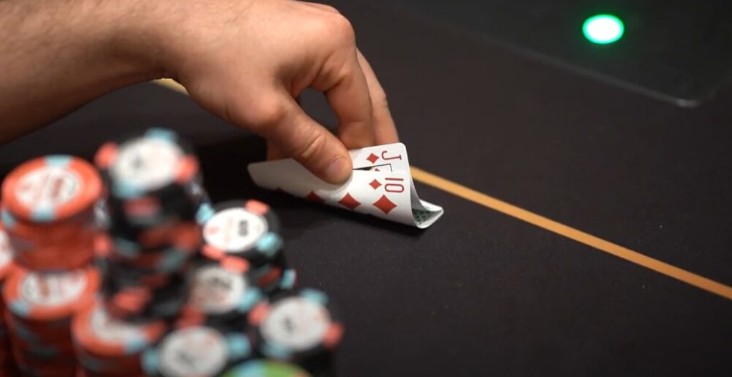
In the realm of poker, Texas Hold ‘Em stands out as a premier selection. It has become a fundamental aspect of gaming culture and has gained significant popularity in casinos worldwide. This game has captivated players across a diverse range of skill and experience levels due to its exciting blend of strategy, chance, and skill. Exclusive rooms for significant engagements Texas Hold ‘Em games have become a standard feature in numerous casinos, serving as the primary format for the majority of major poker tournaments. The rise of online poker has significantly enhanced the accessibility of Texas Hold ‘Em, allowing players to refine their skills from the comfort of their homes.
Master the essential strategies of the game to achieve significant success at the casino or during the casino-themed event you will be attending this weekend. To enhance your skills in Texas Hold ‘Em, it is essential to go beyond merely playing the cards; you must also develop the ability to read the action, anticipate your opponents’ strategies, and make informed wagers. This guide offers valuable insights for those seeking to enhance their chances of success through the acquisition of more effective skills. For those looking to enhance their opportunities, try to get the latest no deposit bonuses to engage in practice without any financial risk. To enhance your skills and increase your success rate in Texas Hold ‘Em, consider implementing these fundamental strategies.
- Have Fun More Regularly and Take Notes
Even with logical reasoning, studying the game will not provide you with all the necessary knowledge. Consistent practice is the most reliable route to achieving mastery in Texas Hold ‘Em, or any game for that matter. As you engage in more hands, your familiarity with the game’s mechanics, odds, and psychological aspects will significantly increase. Experience serves as the most effective educator, indeed. Regular participation in the game is essential to understand when to bluff, fold, or raise.
Start with low-stakes games or utilize a complimentary online poker platform if you are new to the game. With them, you can experience the game without the concern of making a significant financial burden. It is important to recognize that playing money games differ significantly from real money games. Observe how your behavior shifts when real money is involved, as individuals frequently take more risks in the absence of stakes. A more effective learning environment can be established by gradually introducing low-stakes cash games.
Experience enhances the ability to recognize patterns in betting, fosters a profound understanding of probability, and instills the confidence to make well-informed decisions. Whenever possible, monitor your opponents’ actions, tells, and responses to different betting strategies. Your intuition will improve as you engage in further study.
- Think About How Many People Will Be Playing at the Table
One of the most underappreciated aspects of Texas Hold ’em is the size of the table and the number of players there. A powerful hand is more likely to be held by one player when there are more players. So, change your approach based on how many participants there are.
The odds of getting a good hand decrease significantly when there are fewer than four players at the table. You may play with greater aggression and the value of medium combos increases. But when eight or more people are playing, the level of competitiveness is much higher. Since the probability of someone having a premium combination grows substantially, this makes drawing numerous good hands less likely.
Chances of winning and possibilities for aggressive betting and bluffing become more appealing as the game goes on and the number of participants drops. Nonetheless, before making any hasty judgments, make sure you thoroughly evaluate the table size.
One way to modify the game for a different number of players:
- Increase your aggressiveness and rake more often with 3–4 players.
- Play more carefully and focus on getting good beginning hands with 5–7 players.
- Keep to the rules and don’t make any rash judgments when there are 8 or more participants.
The game’s dynamics are determined by the size of the table; as the number of players increases, your tactics should be more careful. Be sure to monitor the fluctuating player count and make any adjustments to your strategy accordingly. Having the skill to adjust to the table as the game progresses greatly improves the odds of winning.
- Reverse Engineer Your Enemies’ Patterns
Understanding your opponents’ habits is essential for achieving greater success in Texas Hold ‘Em, regardless of whether you are a beginner or an experienced player. Observing your opponents’ reactions, betting patterns, and emotional expressions during hands can provide valuable insights into their playing style.
One can identify whether a player possesses a strong or weak hand by closely examining their nuanced habits or behaviors. Specific behaviors may serve as indicative markers, including fidgeting, sudden fluctuations in betting amounts, indecisiveness, or an overabundance of confidence. By meticulously observing these behaviors, you can make strategic decisions regarding whether to call, fold, or raise.
Additionally, monitor your conduct with great attention. Competent adversaries can leverage any observed trend to gain a strategic edge. Occasionally revise your strategy to maintain engagement and interest. Should you be known for making substantial wagers when holding a strong hand, it may be advantageous to occasionally employ a bluff with a weaker hand to catch your opponents off guard.
Monitoring betting habits is an essential strategy. In the realm of play, individuals exhibit varying inclinations; some demonstrate a natural propensity for aggression, whereas others maintain a more reserved demeanor. Leverage your opponent’s inclination to make substantial bets with weak hands by refining your strategy to capitalize on their overcommitment when you hold a strong hand.
Conclusion
Texas Hold ‘Em is not a game of chance but of talent, observation, and flexibility. Consistent practice, knowledge of table size dynamics, and opponent reading skills are essential for success.
If you want to master the rules, odds, and patterns your opponents use while betting, practice makes perfect. You can bluff, call, or fold with greater conviction if you can recognize these tendencies. Since you are less likely to encounter a powerful hand at smaller tables, being aggressive may frequently pay off. The more players there are, however, the more important it is to be patient and choose your hands carefully. To remain ahead in the game, you need to adapt your strategy based on the number of people at the table and how they are acting.
You may enhance your decision-making and general performance by continuously honing these strategies. You will gain self-assurance, play with more knowledge, and improve your odds of winning the game as time goes on.