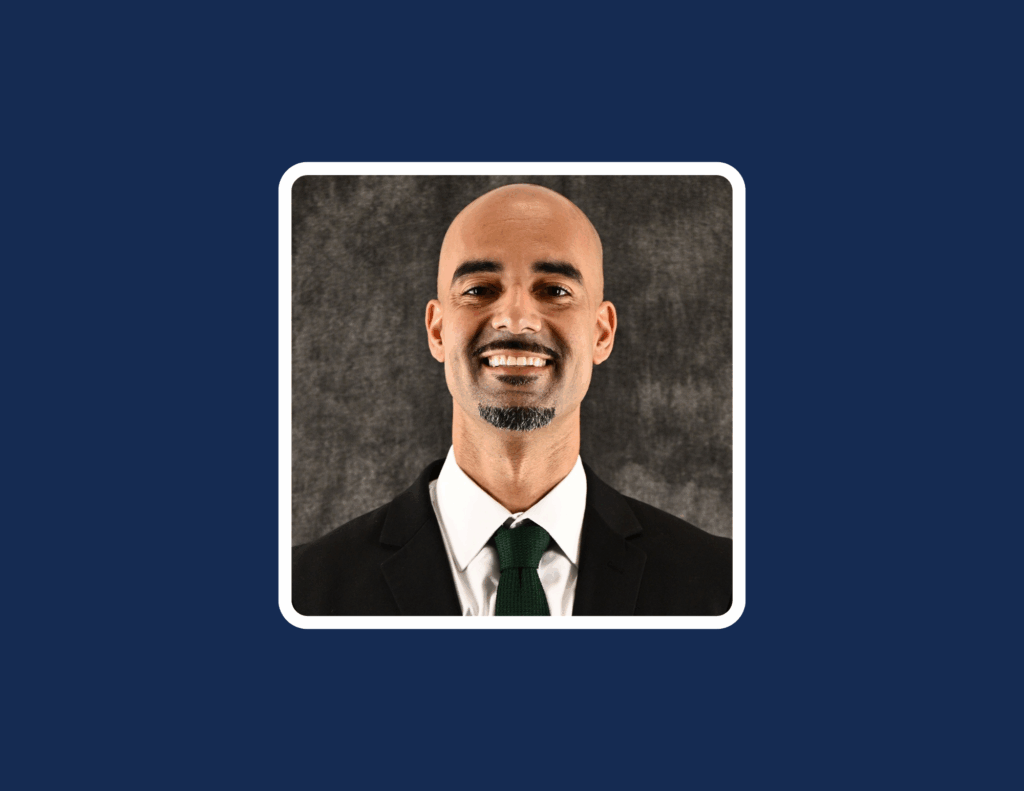
ROB SUMMERS – CLEVELAND STATE UNIVERSITY MEN’S BASKETBALL HEAD COACH – EPISODE 1178
Website – https://csuvikings.com/sports/mens-basketball
Email – [email protected]
Twitter/X – @RobSummers33

If you listen to and love the Hoop Heads Podcast, please consider giving us a small tip that will help in our quest to become the #1 basketball coaching podcast.
Rob Summers is in his first season as the Head Men’s Basketball Coach at Cleveland State University. An Ohio native, Summers spent 2019-2022 with Cleveland State as an assistant coach, where he helped CSU win the Horizon League and make its first NCAA Tournament appearance since 2009. CSU advanced to the postseason twice during his first stint with the Vikings.
Most recently, Summers joined former Cleveland State head coach Dennis Gates‘ staff at the University of Missouri for the 2024-25 season, where he served as the team’s offensive coordinator. Prior to joining the Tigers, Summers spent two seasons at Miami (Ohio) as associate head coach, where he helped the program achieve its highest Mid-American Conference finish in 10 seasons.
Summers also served as an assistant coach at James Madison, three years as the head coach of Division II Urbana (Ohio) and two years at Glenville State as associate head coach.
As a player, Summers played two seasons at Penn State before transferring to West Virginia, where he helped WVU reach the sweet 16 in the NCAA Tournament as a junior and win a NIT Championship as a senior. He played professionally in Europe, Asia, Africa and South America.
Follow us on Twitter and Instagram @hoopheadspod for the latest updates on episodes, guests, and events from the Hoop Heads Pod.
Make sure you’re subscribed to the Hoop Heads Pod on iTunes or wherever you get your podcasts and while you’re there please leave us a 5 star rating and review. Your ratings help your friends and coaching colleagues find the show. If you really love what you’re hearing recommend the Hoop Heads Pod to someone and get them to join you as a part of Hoop Heads Nation.
Grab your notebook before you listen to this episode with Rob Summers, Head Men’s Basketball Coach at Cleveland State University.
What We Discuss with Rob Summers
- The importance of developing a transformational coaching relationship with players, focusing on personal growth alongside athletic performance
- Creating an exciting brand of basketball at CSU that engages the community and draws fans to the games
- Using a detailed shot categorization system, defining gold, silver, and bronze medal shots to guide players in making better shooting decisions during games
- Prioritizing mental well-being and teamwork
- Integrating community service into the basketball program’s culture and philosophy
- In preparation for the season, the coaching staff engages in comprehensive film analysis, focusing on both individual player performance and team strategies to enhance understanding and execution
- Open communication and accountability among the coaching staff, fostering an environment where assistants contribute actively to practice planning and game strategies
- The significance of analytics in basketball, particularly the need to track shot selection and team efficiency to maximize performance on the court
- The definition of success for Coach Summers extends beyond wins and losses to include personal and team development over the course of the season
- Identifying “Robb” shots that maximize scoring opportunities while minimizing inefficient shot attempts
- The value of continual learning and adaptation
Like this show? Please leave us a review here — even one sentence helps! Consider including your Twitter handle so we can thank you personally!
We’re excited to partner with Dr. Dish, the world’s best shooting machine! Mention the Hoop Heads Podcast when you place your order and get $300 off a brand new state of the art Dr. Dish Shooting Machine!
Your first impression is everything when applying for a new coaching job. A professional coaching portfolio is the tool that highlights your coaching achievements and philosophies and, most of all, helps separate you and your abilities from the other applicants.
The key to landing a new coaching job is to demonstrate to the hiring committee your attention to detail, level of preparedness, and your professionalism. Not only does a coaching portfolio allow you to exhibit these qualities, it also allows you to present your personal philosophies on coaching, leadership, and program development in an organized manner.
The Coaching Portfolio Guide is an instructional, membership-based website that helps you develop a personalized portfolio. Each section of the portfolio guide provides detailed instructions on how to organize your portfolio in a professional manner. The guide also provides sample documents for each section of your portfolio that you can copy, modify, and add to your personal portfolio.

Hey coaches — you’ve got a game plan for your team… but do you have one for your money?
That’s where Wealth4Coaches comes in.
Each week, they deliver simple, no-fluff financial tips made just for coaches. Whether you’re getting paid for camps, training sessions, or a full season—Wealth4Coaches helps you track it, save it, and grow it.
It’s time to stop guessing and start building.
Subscribe now at wealth4coaches.beehiiv.com/subscribe
And follow them on Twitter @Wealth4Coaches for daily money wins.
Your money needs a coach.
Start with Wealth4Coaches.
THANKS, ROB SUMMERS
If you enjoyed this episode with Rob Summers let him know by clicking on the link below and thanking them via Twitter.
Click here to thank Rob Summers via Twitter
Click here to let Mike & Jason know about your number one takeaway from this episode!
And if you want us to answer your questions on one of our upcoming weekly NBA episodes, drop us a line at [email protected].
TRANSCRIPT FOR ROB SUMMERS – CLEVELAND STATE UNIVERSITY MEN’S BASKETBALL HEAD COACH – EPISODE 1178
[00:00:00] Narrator: The Hoop Heads Podcast is brought to you by Head Start Basketball.
[00:00:20] Rob Summers: We want to make sure they’re “Robb” shots, so we call them “Robb” shots, not because my name is Rob. They’re range rhythm, they’re open and they’re ballots. It’s like it just, something happens that, my name is Rob Summers perfect. But I was like, man, it’s going to look like crazy because I’m calling these things “Robb” shots and my name’s Rob Summers, but it’s “Robb” with two Rs.
So can we shoot “Robb” over, “not Robb” shots. So we want to be within range. We want to have a great rhythm to it. We want to be open with our shots and we want to be on balance.
[00:00:48] Mike Klinzing: Rob Summers is in his first season as the head men’s basketball coach at Cleveland State University. He also spent the 2019 through 2022 seasons with Cleveland State as an assistant coach, where he helped CSU win the Horizon League and make its first NCAA tournament appearance since 2009.
CSU advanced. The postseason twice during Rob’s first stint with the Vikings. Most recently Summers joined former Cleveland State Head coach Dennis Gates’s, staff at the University of Missouri for the 2020 4 25 season where he served as the team’s offensive coordinator. Prior to joining the Tigers Summers, spent two seasons at Miami of Ohio as the associate head coach, where he helped the program achieve its highest Mid-American conference finish in 10 seasons.
Summers also served as an assistant coach at James Madison, three years as the head coach of Division two Urbana, and two years at Glenville State as an associate head coach. As a player. Summers played two seasons at Penn State before transferring to West Virginia, where he helped the mountaineers reach the Sweet 16 in the NCAA tournament as a junior and win an NIT championship as a senior.
He then played professionally in Europe, Asia, Africa, and South America.
Hey, Hoop Heads. Imagine having your team’s entire development, training, and analytics in one place. That’s the Dr. Dish training management system, TMS, the ultimate coaching platform that transforms your shooting machine into a complete player development engine. Track every rep, drill, and player assign custom workouts, use shooting maps, leaderboards, and progress across your entire roster, all in one dashboard.
Build accountability. Unlock smarter reps and take full control of your team’s growth. Feed your fire @drdishbasketball.com.
[00:02:40] Jalen Archer: Hi, this is Jalen Archer men’s basketball coordinator for video and camp operations at Southern Miss, and you’re listening to the Hoop Heads Podcast.
[00:02:50] Mike Klinzing: Coaches, you’ve got a game plan for your team, but do you have one for your money? That’s where Wealth4Coaches comes in. Each week, we’ll deliver simple, no fluff financial tips made just for coaches. Whether you’re getting paid for camps, training sessions, or a full season, Wealth4Coaches helps you track it, save it, and grow it.
It’s time to stop guessing and start building. Subscribe now at Wealth4Coaches.beehive.com/subscribe and follow us on Twitter at Wealth4Coaches for daily money wins. Your money needs a coach. Start with Wealth4Coaches.
Grab your notebook before you listen to this episode with Rob Summers head, men’s basketball coach at Cleveland State University. Hello and welcome to the Hoop Heads podcast. It’s Mike Klinzing here without my co-host Jason sunk tonight. But I am pleased to be joined for the second time, Rob Summer.
Men’s basketball head coach at Cleveland State University. Rob, welcome back to the Hoop Heads Pod.
[00:03:53] Rob Summers: Thanks for having me back, Mike. I’m excited to be back in a different role now, so it’s going to be back with you.
[00:03:59] Mike Klinzing: Absolutely. The last time Rob and I talked, he was still at Cleveland State, but he was in an assistant coaching role and that was, I guess three seasons ago or three and a half years ago.
And since then, Rob’s made a couple of stops at Miami of Ohio as an assistant coach and then at Missouri with Coach Dennis Gates. So just give us a quick update on those two experiences that you had and then we’ll dive into what led you to come back and return to Cleveland State as the head coach.
[00:04:27] Rob Summers: Well was at Cleveland State from 19 to 22 and we won three championships three years. So being on podcast then. Applied for the job, wanted the head coding job. When I, when I was here I was always told if you win, if you win games, you’re going to get the job.
And kind won myself out of a job, I think. So I was in the transfer portal source from a coding standpoint. My third born, my, my daughter was going to be born right when I found out I didn’t get the Cleveland State job the first time around when Coach G Rob got it. So had my daughter here had an opportunity to go out with Coach Gates out to Missouri that, that season and just didn’t feel right for my family to leave at that point in time.
The state of Ohio and, and go eight and a half hours away. So was blessed to get a call from Coach Steele down at the of Miami University of Ohio. He had just got the job that there probably a couple of days before. We had obviously lost his Xavier team that year when I was here at Cleveland State and he was like, what?
I need associate head coach Rob. I love what the office, you guys ran up there. I love everything you’re about. Like, come down here, let’s talk a little bit more. We just kind of really, really hit it off. And we both knew it felt right for both of us for me to take the opportunity with them. So I was blessed to go down there be closer to my in-laws.
My, my, my mother-in-law, father-in-law were about 20 minutes from where we lived at, down there in the outside of Cincinnati area. So it was perfect for us. And did a great job being around and, and learning from Coach Steele and building that program with him from the ground floor up.
And obviously they’ve been doing great things. They missed out on a MAC Championship last year, but they’re obviously returned a lot of guys, so they got a great team coming back. So Coach Steele’s going to do great down there. Didn’t want to leave him though I was there for two years saw that program increased and Coach Gates had called me after my second year there and was kind of like, Hey, what would you think about coming out here to the University of Missouri and helping me out running my offense again.
And I was like, coach, I really like where I’m at now. I, I would, I really enjoy being with Coach Steel, to be honest. And I wouldn’t have left Coach Steel for anyone else. Other than Coach Gates. So when I talked to Coach Steele, it was like, look, you out, coach. He, he, he wants me to come back with them.
they had lost we, we had lost every SEC game the year before, so I was either going to be a, a, a smart person or a crazy guy. It was either going to be a genius or I was going to be like, who does that? So glad that it turned out the ladder and know, I was glad my mom was able to go and be a genius up there a little bit.
And, and, and we had some great players that helped us win some games and it was a, it was awesome. It was a great experience for me just being back with Coach skate and, and being in his culture. Seeing and learning in the SEC and, and being in a bus, all of a league for a season. I’ve been, I’ve been a mid major assistant for most of my career coaching division two basketball as well.
So to see it done at a high, high level and also see success at a high, high level if it’s, I love the offensive side of also really win to see if, if with that, my office game of what I brought as office coordinator would work at that level. And was glad to see that it did. So it showed me a little bit about my development as, as a coach myself.
So I was there that last year and when Coach Robinson got the no Texas job, got a call from my AD here, Kelsey Harkey asking me if I’d be interested in the job and no, again, no brainer for me. I wouldn’t have left University of Missouri for anything other than Cleveland State head coaching job.
I came to interview and talked to Dr. Bloomberg. They were like, well what’ll happen if you don’t get the job? I said, well, I’ll just go back to University of Missouri. We’re going to, we got a great team coming back. We’re going to be good again. I was like, I’m around some friends and some family and my wife and, and Coach Gates wife.
We were really close and our kids were close and it was a great situation for us. But obviously to be, come back to somewhere where I rarely learned how to grow as a coach at Cleveland State and come back to the program that it’s a winning program and be the leader of that. And CEO was just a, somebody I couldn’t pass up
[00:08:05] Mike Klinzing: during that interview process.
What were some of the questions that you had for Cleveland State in terms of, obviously you have familiarity with the program, right? Having been here and, and been here relatively recently. Some guys come back and it’s been 10 years since they’ve been out of place, and then they come back. You were here within whatever, three, three seasons ago, and so what questions did you want to ask them?
Clearly they’re going through and, and asking you questions, but I always think it’s interesting to kind of flip that around and think about what questions did you want to ask them? In terms of terms what you thought needed to be in place in order for you to build the kind of program that you want to have?
[00:08:42] Rob Summers: I just want to know the expectations. obviously I wanted to know what they expected from a head coach and I knew Kelsey when she was assistant AD under Scott Garrett. So I knew what type of person she was, but also wanted to know what she expected from her head coach and how they want to go about building and, and continue to build the program.
Because the program’s a winning program. It’s not a, it’s not a job that you’re going into where it’s a rebuild and they hadn’t won in a while. So, when we got here with Coach Gates in 2019, it was a rebuild. We had two guys in the program and they hadn’t won since Doris Coles here. So obviously what Coach d Rob did here over the last three years was phenomenal.
20 wins per se, per per season for three seasons. It’s, it’s something that I would only be blessed to have accomplished for myself. So I really want to know what they, what they expecting of the head coach. What type of program did they want to see him, him run? And the way they talked about just being a transformational program and not being transactional.
obviously in a day and age of NIL we know that that’s the thing that we have to adapt to. But they don’t want to us all be transactional. They want to be transform, transformative with their relationships with the student athletes. They want a coach’s going to be involved in the city, a coach that really loves what Cleveland has to offer and what the state of Ohio has to offer.
And that was for me, I said little, I’m the guy. I said, what, it’s, this is home for me. the state of Ohio. I know it, Cleveland, obviously it’s been somewhere that’s been very, very special to me. Me having my family down the road may have my wife’s family down the road too as well.
It’s just, it’s just a perfect setup for me. But I really wanted to see where their expectations were and kind of what they wanted to see from their program. Because Dr. Bloomberg’s doing a great job of, of implementing a lot of great things here at Cleveland State and making sure that we’re the best version for ourself as a university and not trying to be somebody.
We’re not. We, we, we know what type of university we are. We’re a community campus. we’re not trying to be Ohio State. we’re not going to have 40,000 students come through here, but can we give you a great degree, give you a great experience, and bring some student athletes that want to stay around the city of Cleveland and help help continue to build this city of, of what it’s known to be.
[00:10:39] Mike Klinzing: What would you say going into the job back when you first take it? Are the strengths of the program, what are two, three things that, when you look at it, irrespective of whether Rob Summers is the head coach or not, what are the strengths of the program in and of itself? Just in terms of the university, the location, the facility?
What are the things that you really like about the program, again, before you start putting your stamp on it at all?
[00:11:04] Rob Summers: Yeah. O obviously Cleveland State’s a winning program now for, for six years, five, six years now it’s, it’s stone to win. You, you’re, you’re, you’re expected to be the top of the rise of the league.
So to go in somewhere that’s attractive, right? You have championship residue on your program winners win. And I think that’s what Cleveland State does. So to go into a program like that obviously is something that was very, very attractive for me. And also just, just the city of Cleveland and just northeast Ohio.
Very, very underrated. I I, we used to tell recruits all the time when I was here with Coach Gates, it’s like, look, whatever you think about Cleveland, like, forget about it. Like, forget about what your perceptions of what Cleveland area is. Once you get here, you’re going to experience how great it’s, especially in the summertime.
So we get them in the summertime. Like Cleveland summers are like my favorite time of the right now it’s getting a little cold and it’s windy out and rainy a little bit. But I like that I’m a Midwest guy. But, but in the summertime, obviously the, the weather’s great. You’re right on the lake.
it’s a, it’s a pro, it’s a sports, a sports town. people love their sports. And that’s one thing about Cleveland that you, you, you, you see and you experience and people want to see you do well, they want get out, they want to support. But those, those, those things are just so attractive about it.
just the people, people make the place. Cleveland State has always had great people around it and we continue to add the same add those same caliber of people too as well. And again, having familiar faces, but also some new faces too. When I came back here and took the job was just a very, very special situation for me.
[00:12:25] Mike Klinzing: Beyond winning, what do you think you can do to continue to capture the hearts and minds of Cleveland sports fans? Obviously the first thing is you have to put a winning product on the court, but beyond that, what are the plans to continue to draw people into the program? To get people invested and, and, and draw out the support from the Cleveland area of basketball fans?
I,
[00:12:48] Rob Summers: I think you have to play exciting brand of basketball. you, you have to put people in seats and people want to watch a, a product that’s very exciting to watch. We talk about the offensive side of the ball, because that’s where I’ve came from being offensive coordinator is you want to play fast, we want to bring that s sec type of fail to the horizon league.
Just because again, we’re, we’re entertainers and I think that a lot of people forget that basketball is entertainment because it’s about winning and, and all those things like that and discipline. But it’s like, people want to go to the movies and they want to go watch a good movie. And I think we’re actors in a, in a, in a movie that doesn’t have a script and you never know what’s going to happen.
So that’s for people on the edge of your seats and that’s what March Madness is about. And that’s why you love these buzzer beaters and all those things that go along with college athletics, especially men’s basketball. So being able to play exciting brand of basketball but also to bring in student athletes from the area that no, no Cleveland, that know Ohio.
And also even student athletes from outside of the area going out and, and, and extending my recruiting reach to to Florida and the Carolinas. And then have them ingrained themselves in what Cleveland is. I think that’s the biggest thing for our program is we want to be in the community.
We want people to know Cleveland State Basketball as, as, as the, as these young band are, not just from a, on the court standpoint of winning games, because again, that’s the standard, the standard is to win games. But can we even be in the community having community outreach, giving back and be those focal points around the city?
Because we are urban campus, there’s a lot of underprivileged youth around the area, and we want to make sure that we’re giving back because a lot of the stuff that we strive to accomplish is not just going to be on the court. And I think that that’s, that’s the smallest piece of it. I tell my guys all the time, I say, look man, I’ll skip a practice to go help out at a soup kitchen.
Like, we’ll, we’ll, we’ll skip practice and we’ll go, we’ll go help out at Special Olympics. Like, it’s me, me, me setting ball screens, you have to, setting ball screens for an hour and a half is going to get anything done as much as it be going and reading at a stu at, at the elementary school down the street. So I’m a little unorthodox when it comes to those things, but I think just incorporating ourselves in the community is just a huge, a huge thing for me.
[00:14:45] Mike Klinzing: That circles back to what you said off the top right, in terms of. What the administration was looking for. Transformational coaching and not transactional, and that getting out in the community and serving and being a part of it. It’s really what it’s all about, right, is being able to use basketball to be able to have an impact, first of all, on your players that are part of your program, but then secondly, if you can take that and multiply it out into the community, then you’re really talking about transformational.
So when you get the job, tell me a little bit about putting together your staff. What was that process like? Who were the first calls you made? Just what’s your philosophy on putting together a a great staff, and how quickly were you able to get that to come together?
[00:15:27] Rob Summers: I mean, one, one thing that Coach Gates always taught me is always have always have a staff in place.
Always have a team in place for any level job you could possibly get. So he is like, look, if you’re, if you got the job at at at Ole Miss tomorrow, like who would your staff be if you got the job at Chicago State tomorrow? You like, you just have to think about where you’re going to be at next and, and who would you recruit and have a black book full of those names.
And obviously with me seeing that Howard Coach Robinson, whose success was continuing here at Cleveland State I knew it could be a possibility that he would get something higher. They won like 13 games in a row, so I was like, maybe we went 13 games in a row. Someone’s going to come knocking at his door.
So if I get the opportunity, who would I hire in there? And I think I put together a great staff. I always I love my team. I love the players that I, when I get out of the portal. But when you talk about a staff, I think I have a bunch of future head coaches and former head coaches on my staff right now.
I call my, my former teammate Frank Young, who was at App State, is associate head coach at App State, obviously with Coach Kerns down there. Wanted to permission first of Coach Kerns because I needed, I needed Frank. I, I trust Frank. I know I know what he’s about. I know his character.
I know how good of a recruiter he is. I know how good of a coach he is. I know that it’s only a short period of time before he is going to get his opportunity to move a chair over and, and be able to be able to call those timeouts. So bringing him on board first and foremost was, was huge for me. I knew I was going to bring Delon King with me from his University of Missouri, a Cleveland State graduate somebody who really helped me on the outfits of side of the basketball.
He’s huge in analytics. Very, very bright, very smart just really is going to a future star in the game. He’s been, he’s been around Coach Gates and, and the, and the culture that we, that we have from, from that tree for, for six, seven years now. So he understood what I would, what I would need from him.
So I asked for Coach Gates blessing right away he was like, well, who are you going to try to steal from me? I knew. He was like, I know you’re trying to take somebody. And when I brought up LAN’s name, he said, what, I’m going to, I’m going to bless that. Anybody else. I wouldn’t let him leave for it.
He’s like, anybody else can’t have him? He’s like, I’m going to let you have him. So to bring him in was great. like being a bright young man called, called Mike Hunter, who was a the Duke Junior College coach at Lakeland Community College while obviously here at Cleveland State. And then was at head coach at Shawnee State down down there in Portsmouth, Ohio.
So obviously have another head coach who’s won a lot of games in the junior college realms. Somebody who’s great with post development and bringing him on board. Again, that’s a high character guy. Huge for me when it call, called Lou, actually didn’t think Lou Roe. I I, Lou Rowe was at University of Oregon.
And I remember talking to him and it’s like, coach, I think I’m going to get this job because we just I worked for Coach Rowe when I was at James Madison. He gave me a great opportunity there and I told him I was going to take this Cleveland State job. And I said I have to bring a former division one head coach.
I need, I need a guy who’s, who’s been in my seat, who knows the stresses from, from what a mid-major division one head coach is going to experience. So I was talking with him about, . If he knew anybody or whatever. And, and next thing he is like, rah rah, what about me? And I said, coach, you’re not going to leave University of Oregon.
You’re not going to leave Oregon to come to Cleveland State. And I can’t pay, I can’t, I can’t afford you. I told him, I said, I can’t afford you. Right? He said, man, it’s not about the money for me. He said, I made enough money. He’s I played pro for 15 years and made a lot of money and he’s been been coaching for a long, long time.
So he is like, it’s not about the money for me. He is like, it’s about being around and helping people that that I love and that I want to support. He’s like, he’s like, if you, if you want, if you want me to, if you want me to be there, he’s like, I’ll be there. So, was blessed to get him on board.
I really didn’t think I was going to have a shot at, at getting him. I was looking at more of maybe somebody who’s out the business at the time. And the former, former head coach. But, so to bring him on again, huge for me. Great recruiter, great man knows the defensive side of the ball, like the back of his hand.
So he was great. we got blessed to keep Danny Carac from coach Robinson. Had a couple people in mind for what I was going to do with my director operations job. But Danny said he’s a Cleveland guy. He’s born or raised in Cleveland, loves Cleveland. He’s got Browns tickets, guards tickets, CALS tickets.
He is got Rock and Roll Hall of Fame season pass. He is, he is got the fast pass to Cedar Point. He’s got everything that, anything in Ohio. So he’s been great for me. And, and in keeping him around and, and then rounding my staff out with Casey Perrin who’s assistant down at Louisiana Lafayette.
And we got, just, had just got let go. But a huge player development guy, a guy who came highly recommended from, from a guy Kisha Smith I know from down in Miami, Ohio. He said, look, Rob, I know what type of man you are. You’re a faith-based man. You’re a family based man. He’s like, Casey is that He is a guy who’s, he is.
Like he is, got a little one on the way. Him and his wife been, been married a couple years now. He’s like, he’s a star. He works his butt off and he just, he’s just a good, he is just a good person. And that’s one thing I really wanted to make sure I wanted guys. Be on different sides of basketball from offense and defense, but I really wanted to focus in on the character piece.
I wanted these young men to see just great people around them because they can sniff it out. Like we, these, these, these college athletes know when a guy’s not about the right things. And when you have guys that are great fathers, great husbands these, these players are just going to be more inclined to be like, okay, I understand coach like you, you want the best for me because you’re living the right way.
And that’s one thing that I really want to make sure I check the box on. And, and I really did with the staff. I’m very, very excited about them.
[00:20:28] Mike Klinzing: Well, and you’re going to spend a lot of time with them, right? So you want to have dudes that you like sitting in the locker rooms, like sitting in the coach’s office with and having those conversations.
’cause you got guys that aren’t good high character guys. That, that, that, that doesn’t bode well for your, for your staff and just the comradery that you guys have. ’cause again, we all know how much time you’re spending together.
[00:20:47] Rob Summers: Yeah, no, definitely. Definitely.
[00:20:49] Mike Klinzing: All right. So you get your staff in place.
Next piece is putting together the roster. So go walk us through what that process was like, and as you’re doing that, talk a little bit about just in general, how recruiting has changed for you over the course of your career. Obviously, NIL, the portal have made a huge difference in how teams and rosters are built in college basketball today.
So as a first time division one head coach building your own program, you hadn’t done it at the division one level under the old system. So this is the only system that to put together this roster for the first time. So just walk us through what that process was like after you got the job.
[00:21:32] Rob Summers: It was a whirlwind.
It was, it was wild. It was like I was drinking out of a fire hose for a solid month and a half. It was, it, it just, I’m telling you, yeah, the amount of sleep I probably, the amount of food I ate, I don’t think I ate for probably three weeks. I had the Lion King here. He was like, bring me food in my office.
Like, coach, you have anate today. And I’m like, man, like, it’s like two in the morning. And I’m like, oh, okay. Like, let me just get a bite. And then I would go back to my, go back to my hotel because I was living at a hotel for a while and just get a couple hours of sleep and then back in the office again.
So it was good that I again, I had that black book of names that I knew that at, at a mid major level. And, and previous I went in relationships I had with players before. I didn’t want to just kind of go in cold calling a bunch of guys that I didn’t know other than watching film and seeing their stats.
So to be able to go in. And signed the guys that I signed. I was very, very excited because I, I knew them before. you, you look at a guy like Foster Wonders who was at Green Bay and I lost out on him when I was the first time around here at Cleveland State had been on a bunch of calls with him.
His parents went to see him and he went to Southern Illinois and, and told us no. So ended up going to to Green Bay. And obviously when he hopped in the portal again for his last year, I said, what? I don’t want to miss, I can’t miss out twice. Foster. I because I think that he fits exactly how he want to play.
We want to, we want to, we want to get a lot of threes up. We’re going to shoot a lot of threes. We’re going to play very, very fast. We want to play in transition. And I think he could provide kind of similar to what Caleb grew provided us last year at, at Missouri. So adding him, going on, getting to Josiah Harris bringing Jojo back back to the, the back to the, the Cleveland area.
I know he is Richmond Heights guy fa family split time in Canon, all those things like that. But he’s a Cleveland, Northeast Ohio guy. So to get jojo back here was huge for me. Excited about him. Signed a guy, Kamari Kamari Jones from Indianapolis, who I had a relationship with him when he was at when I was at Miami of Ohio.
We, we recruited him a bunch and then he went to Western Carolina and, and he was going to go junior college. But I said, look man, I got faith in you. I think you, you have to, you got a bright future ahead of you. It’s going to take some time for you to develop. But you can come in here and, and you can, and you can work.
And that was great for us. And then signing a guy like d Nessa a guy from Switzerland who’s played U 19 basketball averaged, I think about it is like 18, 18, 9 and five during those U 19 and he had 22 and 17 against France at six seven. He, he, he’s got pro bill to him. So to bring a guy like him and I flew over to, flew over to Switzerland to see what his parents, I was like, look, we have to have him.
And so like, again, it was a whirlwind of just putting together these different pieces of what we needed. Because again, we wanted to play fast, we want to be deep, we wanted to make sure we get the right guys and characterize, but we wanted to still be old too, as well. And I didn’t want go out and get a bunch of freshmen, especially at that point in time in April because it’s, again, the landscape’s changed.
Used to bring freshmen in and develop them for two, three years, and by year three you’re like, all right, let’s win. Like, this is the time to win Now. It’s, it’s a win now. It’s a win now standpoint because everyone’s going to start to go out and they’re going to get older guys. And it’s just hard to compete with when you have freshmen out there.
You, you saw what from us here the first time at Cleveland State. We, we went out, we got old and we won fast.
[00:24:38] Mike Klinzing: Yeah. There’s no doubt that the college basketball landscape has shifted towards the portal and upperclassmen and bringing those guys in that contribute right away. And then the challenge with that, right.
Building your team both on the floor from a basketball standpoint and learning what your players are good at. Obviously when you’re recruiting them, you have some idea of the type of players that they are, but when you get them on the floor and you actually get to see them and you start to piece together, Hey, this guy meshes well with this guy, or this combination seems to work.
So there’s the basketball side of it, but then there’s also just the building a team, right? Building a cohesive unit, a group of guys that plays for each other, that fights for each other. And so obviously once you get coaching staff in place, which we talked about roster in place, which we talked about, then it becomes about how do you build a team both on the basketball court and get to know the strengths and weaknesses of your guys.
And obviously you have a style of what you have in mind, how you want to play, but you have to adjust that a little bit for your personnel and what guys can do and combinations. And then you also have the piece of building a cohesive team that is together. You have to do that in a short period of time. Tell me about that process, what you and your coaching staff talked about in terms of what you’re doing with your guys in the summertime.
[00:25:58] Rob Summers: Well, the first thing we did as a staff is we had a coaching retreat. we, I got on my staff I finally got everybody here around May and said, look, we need three days, man. I need three days. We’re going to run out, we’re going to run a Airbnb and we have to hash out everything that we’re going to do and, and, and try to do.
And then see what see what we want to stick with, see what we kind of need to change. So got there and, and kind of showed them how I wanted to play offensively and kind of handed the reins over to Coach King and Coach Young said, look, you guys got the offensive side of the ball, but obviously still want to play the same way we played in Mizzou.
Both playing with Pass with Pace, and also playing out of like a lot of our split cuts, a lot of NBA style breeds with it and transition. And then defensively handing that over to Coach Ro, coach Hunter and tell him like, look, I want to, I want to be disruptive, I want to be tough, I want to be physical out there in the floor.
And then let them kind of take the reins from it. Really didn’t want to micromanage guys on a lot of things. So that was the biggest thing for me is like, Hey look, this is the standard of what I want. These are some things I’m comfortable with. obviously if you guys have ideas, you’re like, coach, I think this will really work for us.
look at the roster that we put together and, and watch their film from their junior colleges to their schools they’ve been at, and tell me what, what should work with this group? And it was, it was, it was it, it’s been, it’s been good. It’s been good so far. I think that going to the summertime kind of established that, that pace with our guys was important.
we didn’t have DN Nessa with us. We didn’t have e bound spear off they both were overseas still. So we, we we’re down two of our players that are going to play some big mens for us this year. But the other 13 guys really got a lot of great reps in it and learning each other.
And that’s what we spend a lot of our summer in. And even the follow up at this point, it’s been what we call our Viking DNA segment of our season where we, we learn ourselves because in our teammates, we learn our. So again, we, we split our, we split our season up in, in four different seasons. Next we’re going to go, we’re moving on to com, commit to compete and, and then we, so we go preseason, we go our first, our first non-con, we go to conference, then we go to our playoffs where we’re, we’re in the horizon league tournament and to play tournament.
And I think that’s a great way to split it up because the year can become redundant and long. I think back when I was coming up, you in the summertime, you just had open gym and you did some weights and the coaches really couldn’t talk to you. And so you came back in the fall and then you still didn’t have much going on then.
And then October 15th came around and then you’re doing all the practices, but now it’s like you’re practicing all your allowed. So I really didn’t want my guys to hear my voice every day. So really this summer I let my scissors run every practice, every practice that we had, my scissors, my scissors ran it I’d chime in here or there, but I would sit on the sideline, I’d make calls to recruits.
I’d drink my coffee, I’d chime in where I needed to be. But it was a lot of this allow on them to, to be head coaches in their own right. Because I, that’s what I hired him for. I hired him to coach basketball. I didn’t hire him to sit around and, and listen to me get in a soapbox and, and talk.
So that was huge for us. And just with 15 new guys you said it is, it’s, it’s always tough, right? When you got new guys, period. When you got 15 new guys. So nobody knows me, nobody knows anybody on the team. that first, those first two weeks, we didn’t do any basketball. It was all, it was all team bot, team building.
It was all bringing sports psychologists in letting these guys tell their story of where they came from, the things they’ve seen that they didn’t like. The seeing the things, things they saw that they liked, just really getting know each other because we had to kind of fast track that as opposed to previously with teams when I was at West Virginia you got.
Three, four years with each of each, each guy. So you got three years to continue to learn and, and, and see what, what their mom’s name is. They have any siblings. Like, you have to find that stuff out now in eight months because eight months from now you want to retain guys, but you’re going to have at least 50%.
You’re trying to re reconstruct 50% of your roster. It’s just, it’s just the nature of the beast now, and it’s just changed so much in the last like I said, I’ve been coaching now for this be 16 years and it, it’s like night and day. So I can only imagine how some of these older coaches who’ve been doing it for 30 plus years are feeling like this is, this is un unbelievable.
[00:30:00] Mike Klinzing: Talk to me about the NIL piece of it and how that plays into getting guys to come to Cleveland State, but just in the general basketball landscape. How does that play into it, your role as a head coach and how you have to manage that piece of it in order to be able to manage your roster? I
[00:30:22] Rob Summers: mean, it, it’s, it’s very important.
it’s, it’s some people don’t like it. Obviously me being a former student athlete myself, I would love to have some NILI don’t even need that much. I just want enough to go get a, get extra supersize my value meal. I just, I just want enough to put some gas in my car. Isn’t
[00:30:35] Mike Klinzing: that
[00:30:36] Rob Summers: I messing my guys all the time now.
I got, I got loans.
[00:30:40] Mike Klinzing: It’s crazy. Like, honestly to me, like IMI remember Rob being so excited over Christmas break that we would get, like I, my last two years I’m living in an apartment and so you’d get your meal money over Christmas break, right? They’d give me like 300 bucks. I’m like,
[00:30:54] Rob Summers: yeah, and
[00:30:55] Mike Klinzing: I think I can get by with 150.
I remember every those two years when I was a junior and a senior, like, I bought myself a pair of shoes with my extra meal money over a Christmas break. And then you look at some of the dollar figures that some guys are getting now, and I’m like, holy cow, man. Like, I can’t, I can’t believe it. So just.
Trying navigate that, manage it, I’m sure. As, as a head coach. What, just, what’s it like, man? I mean, it just, it just, I, I have a really hard time even wrapping my head around it.
[00:31:24] Rob Summers: Yeah, it it’s difficult because the kids, they, they want something and, and I understand that they want to be compensated somewhat.
My, my thing of it is, and how I view NIL, especially at a level I’m at now, is more as a retention factor. I think that some guys make their NIL money, but I really want to use it as a way to retain student athletes. I want students to want to stay at Cleveland State. I don’t want guys who are returning to feel like, well, you’re not valuing me, valuing me the same way you value a brand new guy coming through our program.
Now does, does that change? I don’t, I don’t know, but I know that right now, that’s how I really want to focus on that retention piece of it. Because you have to adapt. You don’t, you don’t want to be stuck with the blockbuster card when Netflix is out. And I think a lot of people are like, well, I don’t subscribe to it.
And I’ve told people, they’re like, well, I don’t, I don’t really agree with it. And I’m like, it doesn’t matter. You don’t have to necessarily agree with what it is, but understanding that it’s here, it’s something that we have to, can you.
Give the right guys the right NIL money, you’ll feel, you’ll feel good about your, about investing in these young men. But I I’ve came from SEC where the numbers were ob were out of this world. So when you’re in the Horizon league you’re not looking at these
[00:32:35] Narrator: Right.
[00:32:35] Rob Summers: knowing the Horizon League is making, making it 1.5 and make, make it 1.7.
so you, you look at, you look at a guy. But if a guy can come in somewhere and be able to have a, have, get a, have a car, be able to have a car payment and be able to invest the money and little money in Robin Hood and then get their DoorDash orders, so you’ll pay for it’s understandable.
But again, I think that the biggest thing for us at Cleveland State is we don’t want it just to be the only reason I told time, like, like, if you just want a money deal, I’m not the guy for you. If you’re just thinking about this is, this is, this is, this is about NILI was like, now again, NIL is a piece of it, but if it’s this is what it’s going to be.
I, I know all in that conversation right away, especially with agents and, and parents who want to be agents and, and, and student athletes, because if the first thing you ask me about is a number, then you’re not really worried about who Coach Summers is. And it doesn’t matter what I tell you about me and my faith and, and my journey.
You’re going to, you’re, you’re, you’re looking to, to, to make some money, which again, understandable. But I don’t want that to be the, the piece of the puzzle that’s just like, it’s so focused in on, because these young men don’t understand, and I saw it at the SEC level. Once you get paid that first check, you forget about the money.
You really do. It’s, it’s, it’s more about your relationship with your, with your staff. You, you’re not, you’re not worried about it. I used to mess with my guys all the time. All their cars are better than mine. Like everybody on the, everybody on our team had a better car than mine. Like, I got three kids, so they, I’d pull in the parking lot like, man, I got the worst of the bunch.
I got the worst of the bunch here. But they, but they knew that, but they knew that they knew that we, that we cared about them. They knew that we cared about them, and that was the biggest piece.
[00:34:11] Mike Klinzing: Yeah, I do think that ultimately, right, what you’re looking for as an athlete, sure, the money is new, the money’s exciting, everybody wants to get a piece of that, but ultimately you’re still looking for a great experience.
And part of that great experience is the relationship that you build with your coaching staff. And when that’s in place, it just allows everything else, I think, to click in so that you can, a. Have a great experience individually as a player in a program, but then also if all those positive relationship pieces are there between an individual player and the coaching staff, that translates to the whole team.
And when you have that kind of cohesion and then you start, can all start pushing for that same goal and going in the right direction and, and trying to get the program doing what it’s supposed to do. When you have, as you said, those relationships, which are so, so, so important. You talked a little bit earlier just about trying to make sure that in the summertime guys don’t hear your voice and and get sick of it ’cause you’re hearing it from you basically again, guys now at the division one level, totally different from when you played or when I played where again, you just went your own way in the summertime and you did your thing and you came back on campus and then you got yourself ready for October 15th.
Now programs are going year round. How do you make sure beyond just. You kind of taking a step back from being the voice during the summertime, how do you make sure that you’re not wearing guys down to the point where by the time you get to the conference schedule in January, your team’s tired ’cause they’ve been going at it so hard.
Is that something that you think about? And in the programs that you’ve been in, how have they approached that and then how did you approach that this summer to make sure you’re not beating your team up so that they’re they’re physically still at their best come January?
[00:36:04] Rob Summers: Yeah, that, that’s definitely something I noticed.
especially last year at, at Mizzou coach Gates has always done a great job of letting his assistants run stuff and run practices. he laid me run practices at Mizou all the time to really help with those guys and their, and when they hear his voice, they knew they needed to listen because it wasn’t a voice that was just coming in every day, all day and just became just part of like this background noise to them.
So seeing that from him. Then also understand it’s a long season, right? So even though coach, let’s just run, it’s just a long year. These guys are going to, if you’re, if you’re looking to make it to the, this way tournament, you’re looking at a eight to eight month season, a nine month season. Like, it’s just, it’s just a lot of time to be out there playing college basketball in a row, seeing the same people.
So how can you keep it fresh? how can you take your days and make your days count and, and not really spend those, those four hours that you get a lot of from the NCAA with just three hours of practice hours away. It’s like running your program, like at NBA program, I think is the biggest thing that I’ve learned from coach cases is running like a pro program.
Have your lockout days, have days where guys can’t come in like, Hey, I, because guys are going to want to come in and get in the gym. Right? You have to, you have to, you have to help protect them from themselves sometimes, because guys want to get a lot of extra shots up and certain time guys, some guys you’re, you’re a heavy minute guy.
You don’t need to be coming in, putting more wear, tear in your body when it’s an off day. So having those NBA lockout type of days where guys aren’t even allowed in the gym, like you’re not allowed in here, like go decompress, like. Be at, be at, be at the house, go, go to get, get, get your extra study hall, get your tutoring in.
But this is not time to come in and, and still try to get up your 500 shots because you want to be a pro, which I respect. But you have to be able to help protect them from themselves sometimes. And I think that that’s a big thing that I learned from coach and obviously I’ve been implemented here at Cleveland State because we have a lot of guys who are, who are gym rats and they want to be in the gym.
But they also understand that their, their body’s like treads, like tire treads. You don’t know how much tire tread you have on each your, each, these guys’ bodies. My tire tread last to me till I was 25, 26, and my back said no more. So I don’t who, who knows that I mean, I still have teammates that I play with that are 40 years old, still playing overseas.
So they got, they got better t trade than I do. So I think that’s the biggest thing for us. And, and just keeping it fresh man, allowing these guys to, to coach themselves on the floor sometimes. A lot of times with, with our, with our training, we allow them to self correct. We don’t want to give them every answers to the test.
So, so when during drills we’ll allow them to coach themselves, like, all right, no coaches are talking for this. Like, this is, this is what the drill pertains to. We’re going small sided games. This is how we’re scoring it. Coach ourselves, coaches, we’re out of this. And it just allows themselves to hear their, hear their own voices and, and not just hear ’cause staff these days are gigantic, right?
We got a big staff here at Cleveland State and Mizzou, we had about 40 guys on staff. It’s just, it’s just the, the, it’s changed a lot, right? Since restrictive earnings where they had assistant coaches who, who couldn’t, who couldn’t make over a certain amount of money. Now, but I think the biggest thing for us is how, how fresh can we keep these guys?
And how can we, not just every day just be basketball, basketball, basketball. And that goes back to the community service part about it. It goes back to like, Hey man, I all, I will miss practice to go do community service any day of the week. You can ask my players. That guys will miss to go a community service day.
Hey, we’re not practicing today. We’re going, we’re we’re going to East Cleveland. Same. Could be set for if guys, guys grades slip a little bit. Hey. Well shut it down. Like I use a, I use an old coach Carter saying where he is like, you thought it was bad when when we knew you were failing Spanish. Now the whole world knows you’re failing Spanish, so I want to make sure these guys any time, and again, we, we got great academic guys, so but I don’t, I don’t think we have a, a kid on our team that should be getting seeds.
Like we have two, two smart kids that when their grades start dropping the seas, we have a long, hard discussion because I recruited high, high academic, high character kids. So that’s one thing that people commended me on, and we’re going to hold those guys accountable to that.
[00:40:01] Mike Klinzing: How has it been with the pacing in the fall and your preseason practices, making sure that you’re getting everything in, coming off the summer and getting prepared for that first game again as a first time head coach at the division one level, just making sure that you get your p pace of practice down where you’re getting everything in that you want to have in by game one.
How has that pacing gone for you guys, this, this fall?
[00:40:26] Rob Summers: One thing that I, that I took from Coach Beline, just kinda like learning under him as a player. Then obviously going and sitting and watching his practice at Michigan when I was at Urbana was just like having a matrix of like, stuff you want to get put in, in the, in the, in a weekly and just like having a checklist almost of checking things off and like, what’s very, what’s important to you?
or is your press break important to you? Is implementing your zone important to you? And then having that checklist and understanding like, Hey, it’s, you have to adapt. You have to, you have to adapt in some weeks, you have to spend a little bit longer on, on ball screen coverages than you did you want it to.
And then also combining that with that, with Coach Gates and him telling me like, Rob, you can’t catch every raindrop. If you want to catch every raindrop out here on the basketball court, you’re, you’re, you’re, you’re, you’re going to, you’re going to be sorely mistaken. And so what can you and what can our program be good at?
And then continue to adopt as the year goes along. So I don’t want to move on from something if we don’t have it done. Right. I just don’t want to check a box of like, okay, well we got, we got this, we got baseline of bound defense in like, all right, next week we’re working on this, this like next week.
All right, now we got into got, if it’s not done right, I’ll stay with it and then I’ll be, and then I’ll, I’ll want to just adapt as we go on. So one big thing I wanted to get was our transition offense and, and our flow offense in, and I wanted to make sure that that was what we, we were really, really good at.
Do we have a bunch of sets put in right now? Probably not. We probably have about six or seven sets that we have for, from our season. But we know how to play in transition. We know how to flow into our, our, our secondary and we know how to flow into our offense and our splits and our open alignment and, and guys know how to play in a, in a, in a game and they can come out and they can play fast and they can play a way that Cleveland State’s going to play this year.
[00:42:03] Mike Klinzing: How do you design your practices? And I’m thinking about this question in two different ways. One, what’s your process for planning a practice? Are you looking at the previous day’s practice? Sitting down, sitting down in your office, at your computer by yourself, putting together the practice plan and then sharing it with assistants.
Are you guys doing it collectively as a group? So what’s the process for putting together a practice? And then number two, what do those practices, what does a practice plan look like? Do you keep it the same every day? Do you like to go defense first and then offense, and then special teams? Do you, do you have a flow, do you have a certain type of, some, some favorite drills that you say, these are part of our practice every day.
Just a, how do you put together a practice and then B, how does that practice look day to day?
[00:42:50] Rob Summers: Yeah. Well I used to, as a head coach when I was at Urbana, I would just come with a practice plan. I would hand to my assistants about an hour before practice and say, look, I need you to run this drill or help me with this one, but I’m going to run it all.
So this is what it looks like. Just know that they would, they would help out and whatnot. But I really learned a lot being here with, again, I know I’m talking about Coach Gates a lot, but he, he’s had a huge impact on my career, just from a standpoint of being able to think outside the box and ways that I didn’t think that’s how college coaching went.
And when we were here at Cleveland State, me and Coach Augh being Ryan Augh Davis defensive coordinator, we would do every practice plan. We, me and him would sit down in the office a after every day after practice, and we’d be like, all right, what do we want to do tomorrow? And we did it because Coach Gate is like, where’s the practice?
I remember the first day of practice, he’s like, where’s practice plan at? We were like, every school I’ve been at, he was, the head coach would hand me a practice plan. So I’m like, whatcha talking about where’s the practice plan? And I was like don’t you come up with it? And, and he was like, what, what I, what am I paying you guys for you?
Like I paid you to come here and coach. And from that day on he really empowered our staff to like do that. And me and Coach Augh would sit down and, and we would come up with a practice plan and, and we would hand it we would give it to him that night. And we say, coach, this is what we came up with.
He would kind of tinker it and, and move some things around, around what, what he, what he thought we needed to work on and what he wanted to see from a practice standpoint. And it, it was perfect for us. It, it really worked well. And it’s something that I, that I brought here back to Cleveland State with me because we were doing the same thing at Laue last year.
as an officer coordinator I had my, my 45 to 50 minutes of, of the practice that I was allowed to have. And I always knew I wanted to get some small sided games in. I wanted to get some, some execution in stuff, transition. And I’m a simple coach. I don’t I I love the CLA stuff.
It’s because that’s how John Bela is that can strength led approach. I love having different games like that. The c a’s just a new term that everyone’s moving and, and using. But that’s something that I’ve just had since this is 2004. We’re West Virginia doing CLA stuff so we’re being small sided games and we’re scoring it differently.
If you get a back cut, you get extra five points. Scoring off the split screen with a, with a, with a curl cut is, is, is worth three. it’s. It’s all those things that now everyone’s finding it attractive, but we’ve been doing that for a long, long time. So seeing with my practice planning, I love, I love to start off just beginning of practice, just getting guys loose.
I always love to stretch guys. I know that some people don’t like stretch and they don’t like watch their guys stretch, but they don’t stretch their own. So I always make sure that they stretch, like gimme five minutes to stretch it. Just because I hate when guys get into practice, like, I’m not loose and I’m like, dude, you’re supposed to get loose before practice.
But my, my staff does a good job though. Our, our guys will get in early and they’ll, and they’ll, and they’ll work out, they’ll, they’ll work out, they’ll get shots up. So they’ll have a good sweat going on before we get into practice. But we always will stretch. We’ll get in, we’ll get shots up. We always start with a passing drill.
I’m big on passing. We always talk about throwing strikes, not balls with our passing angles. So always do a lot of pass, do some passing drills to start off as, and then we go right to defense. let, I get my defense there a lot amount of time and they’re allowed to fight for their time. And I tell them, .
Some, some days that if, if they don’t get the drills they want to get in. I say, fight for your time. if you guys as defensive coordinators want us to be good defensively, fight for your time in a practice plan these are things that you want to work on. Obviously we’ll talk about, I’ll talk about it as a head from a head coach standpoint and say, well, I don’t want to do this today.
I want to move this to tomorrow. And then I get my offensive there 45 minutes of practice as well. They come in, they they, they have on the proudest plan. They wanted to work on this this and that. And I look at it and I say, well, let’s change this drill up. Let’s score this drill differently.
But I think it just really gives them a, a stake in the company. I think and I think that’s what you want to have as assistant. You want to have a stake in the company. You don’t want to be just a worker somewhere. And if you got the stock options and you got stock in this co company and you want the company to do well, as opposed to someone who’s just coming in to work every day, like, well the boss is going to make the rules.
He is going to do everything he wants to do. I’m just going to come in, I’m going to click a paycheck. And just learning how to coach Gates and learning how to. empower my, empower your assistant really made me feel like I wanted our offense to be really, I wanted our offense to be the best of the country every year when I was at Cleveland State, when I was at MissourI wanted us to be the best office team in the country.
I want to be the best team in the country, but also selfishly, I know that he gave me, put me in charge of something. So I want to be great at it. And I think my staff here does the same thing. when they’re in charge of special teams, they want to have their baseline of balance going. Great. So I told them, fight for their time.
Fight for that baseline of balance time. Make sure you get five minutes of baseline out of of balance offense in, make sure you get 10 minutes. if you want to, if it’s a big day, hey, hey coach, we haven’t did in a while. Let’s get 20 minutes. I need baseline outbound for 20 minutes. Just gimme a segment.
Okay, let’s, let’s knock it out. And I kind of like to, to be fluid with my practice planning. If I feel like there’s something that I really wanted to focus on that we didn’t get in the day before I’ll, I’ll double back to it. But, but now we’re getting into into the, the, the grind of things.
So it’s going to be a lot of, . Scout based learning for us, to be honest. So we talking about ball screen coverages or split screen coverages. Just the things we do, how’s the team that we’re going against, how they going to guard it? And everything around that price will be adapted based upon that
[00:47:51] Mike Klinzing: easy or hard to delegate.
I know it’s the right thing to do, but as a guy whose name is ultimately attached to the one LA loss record in the program, is it, do you find it psychologically easy to just say, Hey, you guys take this? Or is that something that’s still, even though it’s the right thing, is it still a little bit difficult to hand it to somebody else when you think, man, I could do it?
Not necessarily better, but it’s not exactly the way that you would do it. Is it still hard psychologically or no?
[00:48:21] Rob Summers: I think at times it is. But I also have to catch myself because I know that I I used to be such a micromanager before because I was like, I could just do it. I could do it right my way.
And as a head coach, I’m getting pulled in so many different directions from the bound of meetings that I have. I, trust me, I didn’t know I was going to have this many meetings and this many lunches and breakfast coffees and, and driving over here. And if somebody coach Gates tried to warn me, he said, man, look, you want to be a head coach.
It’s going to be a lot less basketball than you think, brother. And it’s the, I I’m truly learning that. So it’s tough at times, but I always catch myself because I know what it felt like working sometimes with, with head coaches that didn’t allow you to do things that you wanted it to do. And feeling like I wasn’t as involved as I wanted to be.
So with my staff, I have now, and again, that’s why I brought guys on that I trust, I think that sometimes it’s hard when you don’t trust. If you, if you start. Not being able to delegate things, it just shows that lack of trust you have in your staff. And I, and I truly trust, trust these guys. I trust these guys want me to win as much as I want myself to win.
Because again, at the end of the day, I know that my name’s on it. All these wins and losses go on my Wikipedia page and, and everything along those lines. But also everybody’s contracts are tied to my contract too. So if they let me go, I don’t know, I hundred people are going to keep leftover. So, full decision.
[00:49:42] Mike Klinzing: Alright, as you said, you’re coming up on the regular season and that comes a time when you start scouting opponents. How do you like to scout? What does that look like? What are the things that you’re looking for in a scouting report that are important to you as a head coach that you want to make sure that a and your staff has a handle on?
And then what you share with the players. So just walk me through your philosophy on scouting and what that looks like for Cleveland State.
[00:50:12] Rob Summers: Yeah, so we we do it kind of similar to I’m, I’m not a big football guy, so I can’t really tell you, but I’m assuming this is how football teams do it.
But so I have my two defensive coordinators. So Coach Hunter, coach bro, my defensive side of the ball, coach King and Coach Young are on my offensive side of the ball. And then Coach Perry, my, my player development. And he does a lot of things along those lines with special teams. So with with Coach Ho, coach Ro and Coach, coach Hunter, I allowed them to watch the other team’s offense.
They, they, they split up game by game. So let’s say we got Loyola coming up, coach Ro have them, we play Capital, I believe the next game, right? That, so Coach Hunter and they’ll just like go game after game. So they just stay on the defensive side of the game and they just wait. They just watch all that offense over that side point.
And then they’ll, they’ll meet, they’ll talk about how we want to to guard this. They’ll talk about different sets they run. Are they, are they heavy in transition? How are we going to guard the transition side? Do we want to throw zone at them? What are those things going to happen? Then they come together with a plan and then they’ll present to me two days out from game day plus two.
So game day plus two in the morning, we’ll meet 6:00 AM the staff they’ll present, alright, coach, this is how, this is what they run. This is how we want to guard it. We’ll talk be 30, 40 minutes of that boom. From there, we move on to the office side of the game. We’ll talk with coach Young, or Coach, coach King.
They’ll talk about, all right, this is how the garden ball screens. This is what I think that our, what actions we can do to attack them. These are, these are guys susceptible to being able to be a matchup problem for us, a matchup for us. So we can try to target these guys on the, on the offensive end for us, and then they just stay on the opposite side of the ball.
So those, those two will never, they’ll, they’ll never touch anything defensively. They’ll never watch a, they’ll probably won’t watch a rep of the, the other team’s offense until they get to the game day, to be honest. And then Coach Perrin and Will, will, will watch every player to every personnel clip and he will present on every personnel for the season.
So every game, he’ll know exactly what their players are good at. Be able to give that information to our players at a, at a high, high level. And I, and I really, I really like that part about it because it really lets you focus in on, on one side of it and what your specialty is. I’ve been parts of programs that do it, like each season takes a game.
So you’ll have this game and the next session have that game and you they have that game. So you kind of just go on a row. And I believe if, if your specialty on a, in a program is like, Hey, you’re, you’re on the office side of the ball. Are you really going to be that great on the defensive side of the ball?
Maybe you’re, maybe you’re okay. Maybe you’re all right. But I don’t think you’re going to be doing it at a high, high level. So for us to have three different guys working on the game and being able to watch that, that that’s that segment at a high level and be able to communicate that to the staff and to the players at a, at a high level, I think it just takes some people think it puts more on your plate because you got every other game you do on a scout.
But I think it takes a lot off your plate because you don’t really have to worry about as much, all right, this is what this guy does at a high level. Like that, that Casey knows that he could tell all the players that he could talk to the team about that stuff. Boom. Or, and the same thing could be said from the, the offense.
Like, are there huge horns team? They love to run horns action and this, and it’s that. Now, now you get, now you’re talking about offense. So you’re like trying, you’re just pulling yourself in so many different directions from a, a scouting standpoint that I believe that if you dive, you divide that up amongst your staff members in, in a way that really mimics what .
I, I would assume a footballs program, it looks like I think it helps. It helps you at a high level. And I’m not big on bombarding guys with stuff, with with, from a scouting standpoint we’re front and back. We’re front and back of, of a sheet. we got personnel on the back where you got the top top 8, 9, 10 guys.
And in front we have offensive keys, defensive keys. We have some of their sets drawn up, some of the key stats that we need to have. Some of the things that we needed to execute on defensive end, some of the things we need execute on the offensive end because they have ED of spans. It just is what it is.
I, and I have a ED of span, so I don’t blame these guys. If I handed them a packet of like 12 pages of, of a scouting report, they’re, they’re not going to read it. And I’m just going to be more frustrated than myself if I start asking them questions from page 10 that they didn’t read. So to, to keep it short and concise and also really make it about us as well.
We always say that we’re our own biggest opponent and we, we just competed ourself at a high, high level. So for, for me, that’s the biggest thing. If
[00:54:20] Mike Klinzing: you had to pick one area, if you had to pick one of the sc of the scouting report to share with your team, would it be the personnel side or would it be the, the Xs and Os action side?
Which one do you think is more important for the players to, to digest and really take into account as they’re going into the game? If, if you had to pick one.
[00:54:36] Rob Summers: Personnel. I think personnel, I think it’s it’s key. I’ve, I’ve always said that I, I’ve, I’ve gone over to the side, coach Augh our defensive coordinator in Mizou would always like, disagree with me at first about those things.
So he was like, well, like, I was like, it’s all personnel. It’s nothing to do with plays. Like you have to know some stuff that they run, man. And I was like, ah, it’s all about personnel. Like, but again, I think that it is a good competition of both. But if I was really to lock in and, and tell guys like, Hey, you need to focus in on this piece about it.
I think it’s a hundred percent you need to know what guys do. may me, I may forget that on this cross screen play, this guy’s coming off another pin down. But what I’m not going to forget is that my guy’s a lefty and he loves to go one drill pull up just right. Yeah. And if he’s going left, he shots, fake it downhill.
[00:55:20] Mike Klinzing: It requires a lot less thinking, right. As a player. ’cause it’s something that you’ve done. If you’re a good player, it’s something that you’ve done probably since you started playing the game, is understanding. What the guy you’re playing against is all about, and maybe there wasn’t a scouting report when you were in eighth grade.
Five minutes into the game, you figured out kind of what your guy liked to do, and so that’s something that, right, as a player, that stuff translates much easier than as you said, Hey, we’re getting this weak side action, or the ball’s going to swing here, and then they’re going to pin down that stuff. Yeah. If you can process that, great.
But ultimately, like you said. You want to know if my guy catches the ball, is he going to rise up and shoot at three or is he a guy that I can be a little bit laid out or be get a short closeout or long closeout and still be able to stop him? I think that stuff translates to players, like you said, much better than some of that xs and o stuff that again, in the heat of the moment, you’re much more likely, as you said, to remember a guy’s going to go left and pull up, as opposed to all the off ball actions and things you have to guard and, and hopefully over the course of practice.
Right. As you said, if they know your principles of how you want to play offensively and defensively, that’s, stuff’s going to kind of just, I don’t want to say happen naturally, but they’ve drilled on it, they’ve worked on it and practiced so much that the personnel stuff, I think is, is what’s going to flash into a player’s mind in the, in the heat of the battle, so to speak.
Tell me about analytics and what’s important to you when you start looking at what drives winning for your teams. I don’t want you to give away all your secrets, but gimme one thing or two things. I was
[00:56:53] Rob Summers: going to say,
[00:56:54] Mike Klinzing: don’t gimme, don’t gimme everything. Yeah. I don’t want, I don’t want it all, but just gimme an idea of what’s, what’s important.
What are some things that are important to you, whether it’s something that you like to track and practice, whether it’s something that over the course of time as an assistant that you feel like really drives winning for the teams that you coach.
[00:57:11] Rob Summers: Well, well, a couple things. without giving you all the secret sauce we really, we really want to track our time pass half.
We want to, we want to play fast, so we definitely want to track our time pass half. That’s how fast the ball we call TPH. How fast can we get that ball passed, the half court? And obviously the fastest way to do it’s do it pass. So we want to take the ball to balance fast, we want to get the ball inbounded fast, we want to get the ball passed half fast.
So we, we track that and we stat that we want to be, we want to be around two seven two seven for the game, for on, on average. So that’s one thing that’s huge for us. And also a, a big thing for us is, is, is our shot chart and kind of how we, how we categorize our shots. We have, we have what we call gold medal, silver medal, and bronze medal shots.
Our gold medal shots are everything that’s in around the rim and, and catch and shoot threes. We, we’ve adapted the catch and shoot. We used to just be around the rim and free throws, but I want to do catch and shoot threes because I believe that if with us wanting to shoot threes, we want to put that in, in a gold medal standpoint.
Any silver medal shots for us are off the bounce shots. So anything that’s off the balance from, from a three, from a three point standpoint with a silver metal, and then bronze is anything that’s non-pain Twos. So all those mid-range pullups and everything that guys everyone wants to shoot them because they’re like, oh, I can shoot him.
The percentages show that they’re, they’re, they’re, they’re a bad, bad shot. You you’d much rather be shooting 30 30 to 1% from three as opposed to shooting 35 from, from mid range pullups. So we, we sat those, we want to make sure that we’re shooting around 78% of our shots that come from gold medal standpoint.
Which is one thing that we, we’ve always statted and we want to make sure that they’re, they’re rob shots, so we call them Rob shots, not because my name is Rob. But actually coach Klein at Bizzo brought this, I was like, why do you, why’d you call him Rob? He’s like, well, the range rhythm, they’re open and they’re balanced.
It’s like, it just, something happens that, my name is Rob Summers perfect, but I was like, bad. It’s going to look, look crazy because I’m, I’m calling these things Rob shots and my name is Rob Summers. But this, it’s Rob with two Rs. So can we shoot more? Can we shoot Rob, Rob over nine Rob shots? So we want to be within range.
We’re going to be, have a great rhythm to it. We want to be open with our shots and we want to be on balance. Like we now non out there shooting a bunch of threes that are outside of our range, that aren’t in rhythm, that aren’t open. You’re off balance. Like those are gold medal shots that we don’t want to take.
So I think sometimes guys think, well, it’s a gold medal shot. I was at the rim. Well, are you on balance? Like, are you, like it’s in a rhythm. You obviously interested in a range, you’re at the rim, but you’re not open. You’re getting, you’re double team bear. So can you play off two feet? And can we, can we, can we fight for rob shots?
And that’s one big thing that we stat and we want to make sure that we analytically do that at, at a high, high level.
[00:59:45] Mike Klinzing: Does that have to be a more verbal discussion during the early days of practice as you’re getting your team familiar with that? And then I would assume as the season goes along, they start to learn and understand what type of shots you’re talking about that fit into each one of those categories.
I would guess that the learning process, it has to be more. It has to be pointed out more frequently, early on as you’re getting started with them. And then as time goes along, they just kind of learn like a, a all it takes is a look and, hey man, that was whatever, that, that was a bronze medal shot.
We have to get something better in that possession. Is that kind of how it goes?
[01:00:20] Rob Summers: Yeah. Yeah. It’s a lot of, it’s a lot of discussion, it’s a lot of stoppage of, and in talking a little bit, and I’m not, I’m not huge on talking during practice. But you stop a couple times at practicing and you talk about it, and then you bring them in, you watch a bunch of film we’re big on film too as well here.
So just allowing them to see what these shots look like. Because again, when you start talking about these, when the first things you say, bronzes, that’s a bronze medal shot. I was like, what? Like it’s a pull up and it was, it was a pull up. It was like, well, it’s a rob shot ’cause you were open.
I was like, but it’s a LeBron shot. And, and the NBA’s categorized that as area 31. So 31% of those shots are made. So it’s just a constant communication with them when they first get here. And then as we get into the as we got into August, September and now we talk to guys about gold medal shots and rob shots, so they’ll bring it up themselves like, oh, it’s a non rob shot.
They’ll like, they’ll, they’ll, they’ll, they’ll yell at Don Miller of practice if a guy shoots a bad shot, like non rob, non rob. So again, it’s, it, it, it, it, it, it’s, it’s fun. It’s fun to kind of categorize those things because I think sometimes coaches just say it’s a bad shot. Guys don’t know what that means.
They just here at Coach Yell it’s a bad shot. And I tell them that we can get a better one, we can get a rob shot, we can get a gold medal Rob shot. That’s a great shot for us. And, and being less about the shot going in, I think that that sometimes is basketball players where you just we’re worried about it going in.
So anytime a shot goes in, it’s a great shot. Anytime a shot misses like, well that wasn’t as good as the one that went in. I’m like, no, this is good. That’s a good, that’s a good basketball shot. It just didn’t go in. That’s a bad basketball shot that went in. So I think that these guys they, they, they, they see it and they’re, they’re learning the terminology and they’re learning to accept it because they watch a lot of NBA basketball.
And they, and they notice kind of like how the NBA’s playing and what the NBA truly, truly stresses around that game. And they, they see this kind of how we’re going to play too. So they enjoy it.
[01:02:05] Mike Klinzing: How much film do you watch with your guys both up until this point? Obviously it’s been in the preseason, but then how much do you anticipate going in once you’ve played some games and there’s that game film to look at?
How much are you sharing in terms of film work with players on a, on a daily slash weekly basis?
[01:02:21] Rob Summers: A lot. We watched a lot of film. We probably spend more, more time watching film. And it’s, it’s less like, as a team, I think sometimes you don’t get a lot of that experience when you’re just bringing everybody in one big group.
But, but having small groups come into the office whether it was my defensive coordinators office or coordinators or myself, and just sitting down and watching, not only film avoid where let’s say we’re working on two side transition and we’re watching we’re watching the Celtics watching the Celtics two side transition clips and them seeing Jason Tatum and those guys do it.
And then telling them like, all right, are we focused on that yesterday in practice? Now let’s watch your clip of two side transition. Now what do you see here? And just letting them kind of see it and talk through it as opposed to just being in there with a clicker. And, and how I kind of, how we grew where oh yeah.
Coach Beline would just sitting there, just talk to us for an hour and we’re just like, I dunno what’s going on. My eyes are so happy. So oh, we, we, we, we watch a ton of it, but we try to make sure that guys are engaged. We do a, we do a lot of like, like, almost like multiple que multiple choice. So we’ll watch, we’ll have them come in with five clips of guys individually, and with Synergy and all these new technology you have now, we can put all these circles and diagrams and, and have questions pop up on the screen.
It’s like, all right, so this, so this is the question. So the questions you came up this ball screen. What’s the best option? And then option A is, you can see guy in the had circle, the guy in the corner, you have to circle the guy at the dunker, and then you have to circle over you. Like, are you supposed to shoot this was to swing this to this guy, drop it off to the big, like, what’s, what’s the right option?
And sometimes they forget what they did in the play. They’re like, oh, of course I course I’m swing to that guy. And then next thing know, they shoot a shot and they’re like, oh, I didn’t know I shot back. I got remember that one. So it’s just fun. I got, I try to get the guys engaged as possible. Because again, I think film’s a huge part about it.
And as we start games now, it’s going to be even more, more intricate for us because we have to learn from the last game. But also be able to move on to as well. But if there’s a teaching point from the last game of who somebody to be played with, how they guarded us and then we can like kind of learn from that going to the next game.
We, we have to, we have to show guys because the the eye in the sky doesn’t lie. I think sometimes guys think that it does that, that that camera man, it, it shows it in full speed too. It, we ain’t slowing down those sprints. We talk about Bolton transition running down the floor and we’re. We showed our guys a scrimmage the other day.
We said, now show us the time you bolted. And we, we, we say bolts, bolts are our sprints on floor. So bolt, you’re out, you saying bolt and this, we’re like, anybody just stopped it. We, we we’re, we’re going to leave, we’re going to leave the clicker right here, somebody come and pick the clicker up and show us that a stop.
And we let like 10 clips go and no one stopped it. And I was like, yes, because none of them were both, but then like, like, so you have to, they they, they see it and they recognize it. It’s just sometimes in the, in the, in the, in the live speed. And when they’re doing those things, they, they feel like they’re moving.
And I was the same way, right As a player man, as a big man, I’m running. I’m like, coach, I’m giving you everything I got. And I’m like, man, this is like, I’m giving everything I got. So like, I’m probably not giving everything I got and these guys see that. But it’s it’s, it’s been huge for us. The film, the film room has been, has been, been key for us.
[01:05:22] Mike Klinzing: I do feel like the ability to learn from film, especially in today’s game with, as you said, all the technology compared to even you go back. 10 years ago and just how much more cumbersome it was to be able to, to share and cut up the film and be able to, to dial it down to certain players and certain actions and all those things.
And it’s just, to me, it’s always just a huge advantage. ’cause now, like when I watch film with my son or with my daughter, and you’re able to just be so much more efficient and, and as you said, when the camera just doesn’t lie and you can look and they might say, Hey, I, I think I’m running hard, or I thought I ran hard during the game.
You can just pull out the clip and look like this. That’s not what it looks like. And so it’s easy then for them to, to be shown what it is that you want them to do. And, and sometimes again, and you said it right, your, your perception as a player of what you think you saw or what you think happened or what you think was playing hard or running hard in your mind, you can convince yourself of that.
And when there is no film. It’s just my word against yours, right as the player against the coach. And like I think I was playing hard and the coach could say, well, I didn’t think you were running hard. And neither one of us can prove either, either way. Now with film and practice and everything that you guys have the capability to do, it’s just such a tremendous, tremendous learning tool that wasn’t available to players of past generations.
And I’m always fascinated by again, how coaches are, are utilizing it, doing the small groups and individual stuff that, as you said, sitting in a room with 15 guys all looking at the same film and having the VCR button that goes back two minutes past where you wanted it to, and everybody’s just kind of falling asleep While that, while that’s going on, I mean, just a different, just a completely different world today than, than the one that you and I participated in back in the day.
All right, let’s talk about game day. For you as a head coach, what’s it going to look like? Day of a game? What do you anticipate your hour by hour schedule to look like on a, on a day when you have a game at night, what’s going to get, what’s going to get Rob Summers in the right frame of mind to to coach a game at night?
[01:07:39] Rob Summers: Well, first and foremost, if we’re, if we’re at home, I’m taking my kids to school. 1, 1, 1 good thing that I I enjoy about being a head coach and I enjoyed about being with Coach Gates ’cause he was huge about family too as well. So I, again, I’ve worked for, I’ve been blessed to work for some head coaches who, who know what it’s like to be a father.
And I’ve heard some horror stories from some guys that like, they almost tell their, like, tell your family and kids, like, we’ll see you after, after season. And I was like, man, I couldn’t I I I probably wouldn’t be in the business anymore. God’s blessed me a lot. God is truly like, because if If I ever work for one, one of those guys, I probably wouldn’t be coaching right now.
You’d be like, yeah, Rob Summers works, sir works for Microsoft right now he’s, he’s, he’s a data analyst or something like that. But I’ll work with some good guys. So for me, man, game days taking know taking my kids to the bus stop or dropping them off and then taking my, my, my 3-year-old to the daycare that’s probably half a mile from my house.
And then taking my nice little 25 minute drive in from the west side here in Cleveland into the office. Getting in the office and reading my Bible. IIII enjoy getting into the word the first thing in the, in the morning. I just pray ’cause I’m only in this position ’cause of God.
I said it up every time that I thought about being a head coach and I was like, man, if I ever become a head coach, it’s just because of God. It’s not because like, I’m the best coach in the world because there, there are a lot of phenomenal coaches out there and a lot of guys who deserve their opportunities that sometimes don’t get them.
But I truly believe that your blessings going to come for you when it’s supposed to come for you. So I always started reading I always, always try to get like 15, 10, 10 to 15 minutes to just read through. I’m in the New Testament right now and I’m big runner. So right after that I’m probably going to get my run in.
I do 10 miles a day. So run, run 10 miles and, and get out there and just kind of decompress from any type of anxiousness that I would have from that standpoint of, of anything building up in my, in my mind. It’s really helped me with my emotional intelligence, the running piece. To be honest, I think that from, I don’t know if I’d be prepared to be a head coach right now if I didn’t run.
It just, it just, it just truly like, makes everything make sense. Once I get out there and I’m just running and where I’m listen to a podcast or it’s just like I’m just running in silence. I’m able to kind of think very, very clearly. And then especially that post run clarity that I have is at a high, high level.
So get down my run probably takes me about hour and 15 to get my 10 in hour and 15. If I’m, if I’m making good pace, If I’m slow, that day is about an hour 25, I’m like, I’m going like, rain, snow,
[01:10:03] Mike Klinzing: rain, snow, rain, snow or shine. You’re out there.
[01:10:07] Rob Summers: Rain, snow is shine. YII wish I had my video still. I’m, I, I broke my phone.
I left Cleveland, but I used to run when I was here and we got hit with crazy snow year three. And I have one of, just like, I have a ski mask on, and I’m like, my whole, like, my eyebrows and eyelashes just got like snow all over them, and I’m just like, I’m yelling David Goggin sayings in my phone because I sent it to all our players.
But yeah, rain, so I ran a day. It was about 50 and rainy today here. I just love it. It just makes me, it makes me feel like I accomplish something at a high level than most people have for that day. So it just gets my mindset and like a mindset of like, I’m just different. I’m a, I’m a different breed.
And it just, again I don’t, I love it. I mean, it’s, it’s really helped me out and being out there on the road has been awesome. But from there, I’m not, I don’t eat lunch. I’m not, I don’t, I don’t, I eat, I eat about one meal a day. I drink a lot of coffee. I eat one, I eat one meal. I eat dinner every night, and that’s about it.
So I have to probably get better on my diet. But for some reason I’m just never really hungry nowadays. I think because my, my metabolism was, has been so slow that when I got done playing, I was like 300 pounds and I was like, wait a second. I can’t be a 300 pounds, seven foot guy running around.
Like, who’s this massive human being? So probably get my, give me another, another cup of coffee before I head over into we’ll, we’ll start film we’ll start our film session up about one 30. Get in there, watch our special teams watch some based out of bound stuff. And then from there, head into my shoot around.
My shoot arounds aren’t like practices. I’m not big on let’s be taped up and let’s get after during the shoot around. For me this is a tuneup of shorts. I want to make sure that we’re really, really tight on how we’re guarding things and we’re really, really tight on offensively what we’re going to be doing.
So can I go over our go over our first three sets we’re going to run for that game with the team, as well as talk about some ball screen coverage stuff, some some split scheme, split screen covers, things as well. And then from there, come back in, come back in the office. And just, and just hang out.
I just want, I like, I like to be around my staff. I love talking with them. I think that being able to decompress with them is huge for me. I’m trying to figure out if I’m going to continue to keep reading. I’ve been reading a bunch. I don’t want to just get so, so far into the reading stages of before the game that like, I kind of come in groggy.
’cause sometimes when I read too much, I’ll just get groggy. But I also don’t want to be in a standpoint where I’m too animated. I, I learned a lot from being a head coach before at a young age. That you can’t question every call. And I was the type of head coach before that. It was anytime a whistle blew and it went against me, I immediately had to have something to say about it.
And Mike e who was our head of officials when I was in the mountain east, and Mike e is like the head of official for SEC now, so Mike e like a big time guy. He was like, Rob, every time you’re talking to my referees about a call. So that’s my biggest thing for this year too as well, is every, every referee I’m going to tell them good call.
I tell my staff that every call is going to be good call man. I’m going to use, I’m going to use my challenge late game. I’m going to use my challenge late game to, to, to, to show them that I know what I’m doing as far as those things standpoint. But I’m going to be less inclined to, to be out there. Just losing my mind, obviously with being being year one from me.
I don’t have the same, same rapport with the, with the referees that some of the guys like, like Coach Campy. And these guys have, haven’t been around the league for a long time. So I figured they’re human beings. They’re going to miss some calls. I might, I might build myself a lot of a lot of goodwill with them as my years at Cleveland State.
continue to climb because I’m looking forward to being there for a long time. So I don’t want to wear my way my welcome here early in my, in my career by being on them every day.
[01:13:35] Mike Klinzing: Do you have a superstition?
[01:13:37] Rob Summers: Do I have a superstition? No, I, I mean, other than I, I pray before I pray during the national anthem every, every game.
And so like when I bow, I just bow my head and I pray. And I thank God for, for everything. And no, but as far as superstition, I. I will randomly have a couple, like I have a, I have a pair of Lucky Socks. I do have a pair of Lucky Socks, so I do have those, actually, that’s crazy. You just brought that up because I’m going to, I’m going to, I have to, I’m going to have to whip those out for my first game as a head coach.
They, they have, they have, they have, they have, they have, they, they have a hole in them right now that I probably need to get sewn up ’cause I’ve had them since my first, I’ve had these socks. This is, this is my first win all. Like, they, they’re, they’re like, they’re kind of like sold, like I have to wear a pair of socks under them because they’re like, they’re a pair of like a tuxedo.
They’re a pair of tuxedo
[01:14:21] Mike Klinzing: dress. They’re, they’re like stirrups. They’re like, they’re like baseball stirrups.
[01:14:24] Rob Summers: Yeah, yeah. That’s what they look like. That’s what they look like. So I have to wear a pair of dress socks under them. So they’re, I do have a pair of Lucky socks. My wife’s like, why do you have a pair of lucky socks?
Because I don’t really believe in luck, but it’s like, it’s still probably the one thing superstition wise that I have, because I’ve won a lot of big games in them. Whenever there’s a big game that we have to win, like we won the Rise League championship and we won our, our first game of James Madison, the tournament.
I wore those. Like, it was just, anytime there’s like a game, I’ve lost some games in them too as well, but. I think that every time it’s a big game. I think I wear them, so I think they’re lucky socks. They’re, they’re, they’re, they’re probably not. They’re just probably old socks that I need to get rid of.
But I’ll, I’ll keep, I’ll keep them around for, for a while.
[01:15:01] Mike Klinzing: That qualifies, man. That qualifies as a superstition. I like it. All right. Last question. When this season’s over and you look back on it, how are you going to define in your mind, whether it was a successful season, what’s going to be your definition of success for your season this year?
Number one at Cleveland State.
[01:15:22] Rob Summers: Man, that’s a great question, man. That’s a really good question. I, I think for me, what success looks like is just allowing seeing my team and, and, and seeing that they were the best versions of themselves and, and myself included, like, this is not just about my guys.
Like I know in year one there’s, there’s high expectations for me. It just is what it is. It’s not gone are the days where they allow you year one to be like, well, he is building a program up. It’s, it’s not it, like, people expect to win and I expect to win too as well. So we’re going to go out there and we’re going to compete for a Rise League championship this year.
And so that’s our goal. But, but for me is, can I see my team and my, and my guys and I see the growth they have, can I see them grow game by game to where they’re playing their best basketball by the end of the year? And can I see growth in myself and my staff to where we’re being the best versions of ourselves as a leader the CEO of this, of this company.
Do I see myself growing as years go, goes on because I say it all the time I’m not done growing. I’m not done learning. I have a lot more left to learn in, in my career. And I probably when I retire, I, I hope that I don’t know everything. When I retire, I hope that I’m still looking to learn more.
So, for me, the best thing that I can experience and the best success I can experience is just enjoying that process of it. Like, I want to enjoy this year. I want to enjoy every, I want to enjoy every game. I want to enjoy every up, every down, every win, every loss. Like, I just want to enjoy it. And I’ve been enjoying it so far.
Like, I’ve really been enjoying being back here in Cleveland and being around these guys and my staff, and I don’t want to lose that passion. And, and letting that just fall upon, oh man, we won this game, so I’m happy. Oh, we lost this game. I’m sad because. Once the games are done, they’re like done.
And you’re like, thinking about the next one. So it’s like, yep. I don’t, I never truly, and like, like I, I used to do it and like, I’m like, man, why did coaches act like this? It’s like, as soon as you win it, you’re just like, as soon as you win a championship, like, I was talking to Joe Missoula and I was like, man, you won the NBA championship, you’re talking about next season.
I was like, you win NBA championship. So yeah, for me it’s like, if our season ends and we go to tournament and let’s say we meet three 16 and we, we make the second round and we lose the game and, and we’re sad, am I not going to enjoy it? Because we felt like we didn’t play the best game in that second round into the tournament.
Like, I just don’t want to be there. I don’t want to be that type of guy that, that just, like, my mood relies on that. So I just want to enjoy it. I just want to enjoy this process with these guys and continue to get better every day and, and, and just smile man, have fun. Be very, very positive. Hold them accountable.
But be positive and, and enjoy what, what God’s blessed me with, which is being a head coach here at Cleveland State. And it’s it’s an unbelievable field.
[01:18:00] Mike Klinzing: The journey is the destination. That’s what I was thinking about while you were talking, right? That ultimately, again, wins and losses, as you well know at your level, are important.
And a lot in a lot of ways is what you’re judged on. But what you’re talking about is bigger than that. It’s about each and every day being with your guys, both your players, your staff, and, and really taking the time to, to invest in that and to enjoy every moment that you’re going through and, and being a part of it.
And if you take care of that, then usually the wins and losses end up taking care of themselves. But as you were talking, like I said, I just kept thinking to myself and the journey is the destination. And if you enjoy the journey, then you’re going to get out of it with what you want to get out of it.
And so is everybody that’s associated with your program. So Rob, before we finish, I want to give you a chance, share how people can connect with you, get in touch with you, whether you want to share social media, email. Website, whatever you feel comfortable with. And then after you do that, I’ll jump back in and wrap, wrap things up.
[01:19:01] Rob Summers: Yeah. Yeah. If anybody wants to get in contact with me, you can get me on any social media @RobSummers33, so that’s Twitter, Instagram Facebook, it’s all the same thing @RobSummers33. So if you send me a DM or anything like that, I’ll, I’ll respond to all those. And then also if you want to email me, I can send you guys, I can send anybody anything they want to have from, I’m an open book.
I really we we’re all stealing from somebody, we’re all stealing some type of idea from anybody that’s out there. So definitely open book with that. Is use email me at [email protected]. That’s my school email, but I respond to emails. I’m not big time.
I don’t know if at certain point in time, like I said, again, I’m trying to be a Cleveland State to my son at least till my son graduates high school. So I got nine years here. So if my son needs to graduate high school, so maybe in nine years from now, I don’t know if I’ll be in the NBA or something, nine, 10 years from now, I won’t be able to find to emails.
But for now Ill respond to emails, I’ll respond to any of those things like that along those lines. But definitely open book if anybody is at around the Cleveland area and wants to come, come to practice. My practice are all, every practice that we have is open. We go in the mornings, but every practice is open.
So we’ve had a lot of high school coaches. We’ve had division two, division three, the one assistant that are out recruiting. Anybody that wants to come through is more than welcome to watch us.
[01:20:19] Mike Klinzing: Rob cannot thank you enough for taking the time out of your schedule tonight. Really appreciate it.
Wish you nothing but the best of luck in your first season at Cleveland State. I know it’s going to be a successful year based on the definition that you gave me, and I’m sure you’re going to win a lot, a lot of games along the way as well. So thank you for your time tonight. Truly appreciate it. And to everyone out there, thanks for listening and we’ll catch you on our next episode.
Thanks. Your first impression is everything when applying for a new coaching job. A professional coaching portfolio is the tool that highlights your coaching achievements and philosophies, and most of all helps separate you and your abilities from the other applicants. The Coaching Portfolio Guide is an instructional membership based website that helps you develop a personalized portfolio.
Each section of the portfolio guide provides detailed instructions on how to organize your portfolio in a professional manner. The guide also provides sample documents for each section of your portfolio that you can copy, modify, and add to your personal portfolio. As a Hoop Heads Pod listener, you can get your coaching portfolio guide for just $25.
Visit coaching portfolio guide.com/hoopheads to learn more.
[01:21:34] Narrator: Thanks for listening to the Hoop Heads Podcast presented by Head Start Basketball.