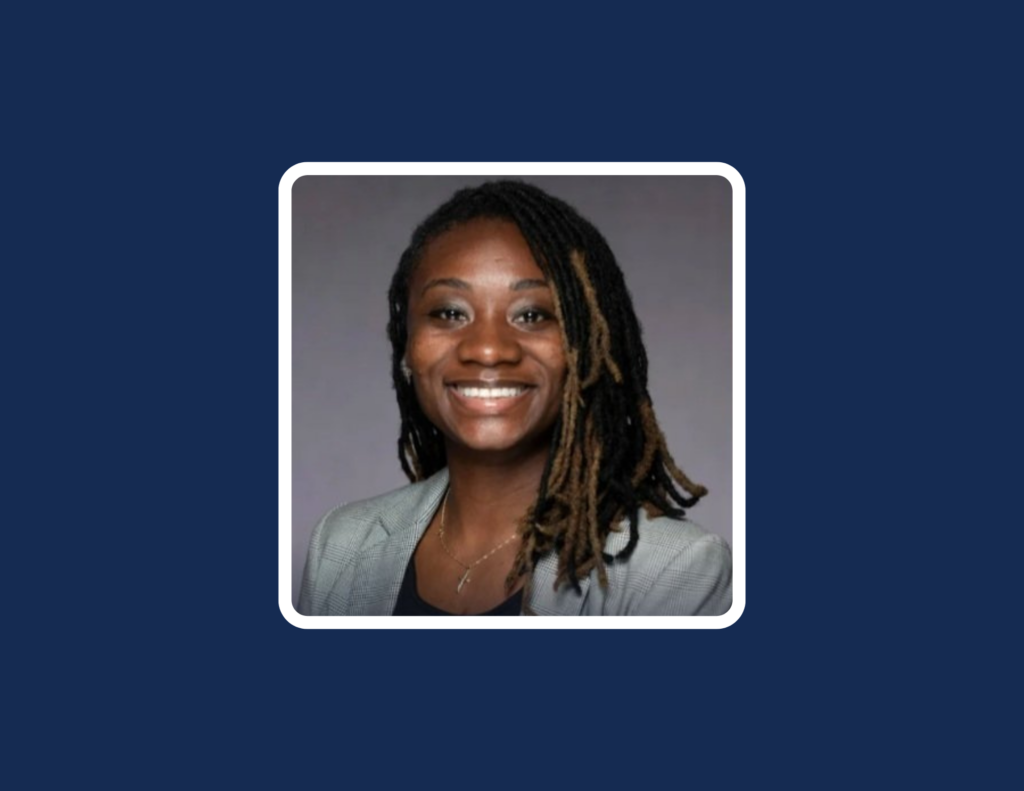
AISHA FOY – NIL COACH & FOUNDER OF MAJOR NIL SUCCESS – EPISODE 1010
Website – https://successmajor.kartra.com/page/9qJ175
Email – [email protected]
Twitter/X – @NIL_CoachIsh

If you listen to and love the Hoop Heads Podcast, please consider giving us a small tip that will help in our quest to become the #1 basketball coaching podcast.
Aisha Foy is an NIL Coach who support athletes in building their brands, achieving their goals, and positioning them for NIL opportunities through her NIL Consulting Program, Major NIL Success. She is the author of the book, “Success is My Major”.
Aisha began her coaching career as a graduate assistant coach at Southeast Missouri State University in 2016, She was also the Director of Recruiting for Kentucky Women’s Basketball from 2018 – 2023.
Aisha played her college basketball at Radford University where she was an NCAA Woman of the Year Nominee, Female Senior Leader of the Year & earned the Established Leader Award.
On this episode Mike & Aisha delve into the intricacies of branding and personal marketing for athletes in a compelling conversation. With her extensive background in collegiate basketball and a keen understanding of the evolving landscape of athlete representation, Aisha emphasizes the importance of seeing oneself beyond athletic identity. She advocates for the idea that athletes must cultivate their personal brands to maximize their NIL opportunities. This episode highlights Aisha’s journey from a player at Radford University to a successful NIL educator and consultant, where she helps athletes navigate the intersection of sports and personal branding. Through workshops, boot camps, and one-on-one coaching, she trains athletes to articulate their stories, build confidence, and engage with their audiences authentically. Aisha’s insights reveal that effective branding is not just about social media presence but involves a deeper understanding of self-worth and marketability, fundamentally reshaping how athletes can leverage their platforms for personal and professional growth.
Be sure to follow us on Twitter and Instagram @hoopheadspod for the latest updates on episodes, guests, and events from the Hoop Heads Pod.
Make sure you’re subscribed to the Hoop Heads Pod on iTunes or wherever you get your podcasts and while you’re there please leave us a 5 star rating and review. Your ratings help your friends and coaching colleagues find the show. If you really love what you’re hearing recommend the Hoop Heads Pod to someone and get them to join you as a part of Hoop Heads Nation.
Get ready to take some notes as you listen to this episode with Aisha Foy, NIL Coach and Founder of Major NIL Success.
What We Discuss with Aisha Foy
- Playing college basketball at Radford University
- Her background in coaching as a GA at Southeast Missouri State
- Working as the Director of Recruiting for Women’s Basketball at the University of Kentucky
- Making the transition from being on a college coaching staff to starting her NIL Business
- The importance of developing a personal brand beyond just athletic performance
- Building confidence and self-awareness is crucial for athletes to maximize their NIL opportunities
- Social media is a powerful tool for athletes to build their brands and connect with fans
- Engaging with local communities can significantly enhance an athlete’s marketability and brand value
- NIL education and the training program she developed, “Major NIL Success” which includes workshops and masterclasses to educate athletes on brand development
- Athletes should not solely focus on their sport; showcasing their full personality is essential
- Parents play a crucial role in supporting athletes as they navigate their NIL journeys
- NIL is an individual sport, and each athlete’s marketability is unique
- The process of building a brand is akin to developing a skill, necessitating education and practice
- Athletes should document their journeys to boost their NIL potential
- The landscape of NIL continues to evolve, presenting both challenges and opportunities for athletes
Like this show? Please leave us a review here — even one sentence helps! Consider including your Twitter handle so we can thank you personally!

We’re excited to partner with Dr. Dish, the world’s best shooting machine! Mention the Hoop Heads Podcast when you place your order and get $300 off a brand new state of the art Dr. Dish Shooting Machine!

Prepare like the pros with the all new FastDraw and FastScout. FastDraw has been the number one play diagramming software for coaches for years, and now with it’s integrated web platform, coaches have the ability to add video to plays and share them directly to their players Android and iPhones via their mobile app. Coaches can also create customized scouting reports, upload and send game and practice film straight to the mobile app. Your players and staff have never been as prepared for games as they will after using FastDraw & FastScout. You’ll see quickly why FastModel Sports has the most compelling and intuitive basketball software out there! In addition to a great product, they also provide basketball coaching content and resources through their blog and playbank, which features over 8,000 free plays and drills from their online coaching community. For access to these plays and more information, visit fastmodelsports.com or follow them on Twitter @FastModel. Use Promo code HHP15 to save 15%
Your first impression is everything when applying for a new coaching job. A professional coaching portfolio is the tool that highlights your coaching achievements and philosophies and, most of all, helps separate you and your abilities from the other applicants.
The key to landing a new coaching job is to demonstrate to the hiring committee your attention to detail, level of preparedness, and your professionalism. Not only does a coaching portfolio allow you to exhibit these qualities, it also allows you to present your personal philosophies on coaching, leadership, and program development in an organized manner.
The Coaching Portfolio Guide is an instructional, membership-based website that helps you develop a personalized portfolio. Each section of the portfolio guide provides detailed instructions on how to organize your portfolio in a professional manner. The guide also provides sample documents for each section of your portfolio that you can copy, modify, and add to your personal portfolio.
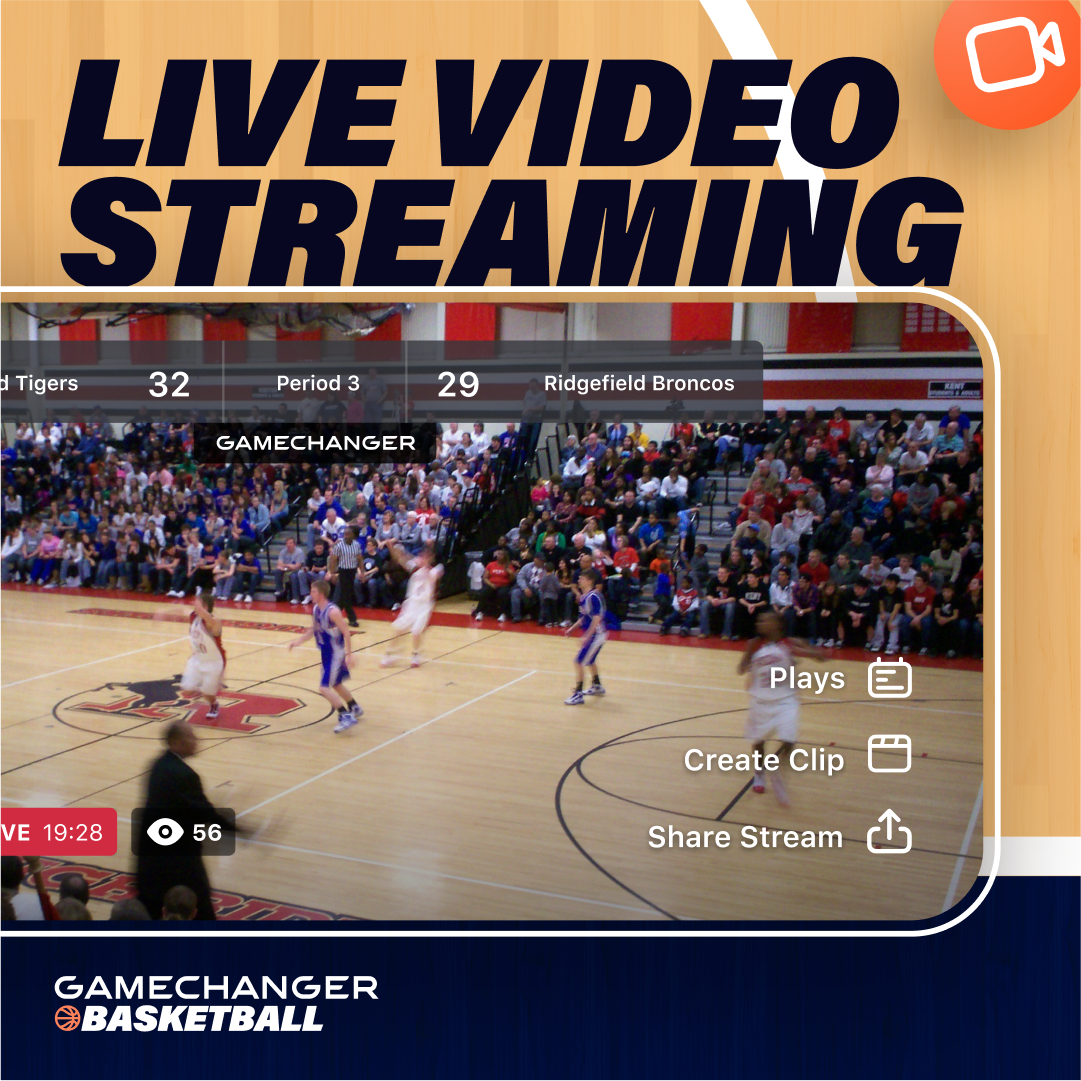
Hey, coach! Want to take your team to the next level this season? Introducing GameChanger, the ultimate game-day assistant with tools to give you a winning advantage. With GameChanger, you can track stats, keep score, and even live stream games, all for free! Get the stats and crucial game video you need to lead your team to victory, all from the palm of your hand. Coach smarter this season with GameChanger. Download GameChanger today on iOS or Android and make this season one to remember. GameChanger. Stream. Score. Connect. Learn more at GC.com/HoopHeads
THANKS, AISHA FOY
If you enjoyed this episode with Aisha Foy let her know by clicking on the link below and thanking her via Twitter.
Click here to thank Aisha Foy via Twitter
Click here to let Mike & Jason know about your number one takeaway from this episode!
And if you want us to answer your questions on one of our upcoming weekly NBA episodes, drop us a line at [email protected].
TRANSCRIPT FOR AISHA FOY – NIL COACH & FOUNDER OF MAJOR NIL SUCCESS – EPISODE 1010
[00:00:00] Mike Klinzing: Hello and welcome to the Hoop Heads Podcast. It’s Mike Klinzing here with my co-host Jason Sunkle tonight and we are pleased to welcome in NIL coach Aisha Foy. Aisha, welcome.
[00:00:16] Aisha Foy: Hey, thank you for having me.
[00:00:18] Mike Klinzing Thrilled to have you on. Aisha and I met way back when at the Jay Bilas Skills Camp in 2018. Hard to believe at that time she was working for Kentucky Women’s Basketball, which we’ll talk about.
A little bit as we dive into her background, but we want to start just by giving her a chance to share exactly what she does in her role as an NIL coach, and we’re going to kind of just tease what the rest of the pride podcast is going to be about. So just, Aisha, give us the elevator pitch of what it is that you do, and then we’ll dive a little bit more into your basketball background.
[00:00:51] Aisha Foy: Absolutely. My favorite subject NIL. So I’m an NIL coach. I run a NIL education and training program called Major NIL Success. I do workshops, masterclasses, I host a boot camp every year virtual to help student athletes prepare to maximize their NIL value help student athletes develop their brand because what most people don’t get is that you have to have a brand before you can successfully participate in NIL and that’s the piece you kind of, you train that in the same way you train going to workouts and working on a, working on your jump shot with a trainer so I help student athletes work on their brand like they work on their game.
[00:01:28] Mike Klinzing: Awesome. So we are going to dive into that more in a few minutes. Before we do that, let’s just start by going back in time to when you were a kid. Tell me a little bit about some of your first experiences with the game of basketball, what you remember about it, and what made you fall in love with the game.
[00:01:46] Aisha Foy: Yeah. So my first real memory was when I was, I was six and my sister was playing on a 10 and under AU team. And while they were practicing, I would get up on the sideline and I would run with them. And two years later, that coach was had asked my mom to be her assistant coach. And this is on the 10 at this time I’m eight.
And I really wasn’t good enough to make the team, but my mom agreed to, to coach under one condition that they let her baby play. And so I was on that team, really small no business on the team. The bag was bigger than me. And that was, that was my experience with AAU basketball and how I got started playing and how I just got that competitive spirit wanting to prove myself.
it pretty much symbolizes the life that I live now. That story of getting into basketball.
[00:02:42] Mike Klinzing: So when you think about yourself as a player and trying to improve and get better, and once the game becomes really important to you, how did you go about trying to become a better player? What did that process look like for you in terms of, are you in the gym by yourself?
Are you playing and finding pickup games? Are you working out with a teammate all the time? Just what was your process for getting better as a, as a player?
[00:03:11] Aisha Foy: Yeah, I did a lot of training. I did a, I had a shooting coach. I had a strength and conditioning coach. Just always pushing myself. Anytime there was extra workouts with a coach that I like, the way they train.
I would always go to different workouts, workout with boys. I love training. Yeah, I, I didn’t really, and I wish I would have did more of this, would just go to the gym and just work on the game by myself. But I always had to train. I always love, I guess, structure. And so anytime, I guess I was spending my parents money on training.
But but yeah, just train and work hard and push yourself and And one thing I really like to do is be conditioned. So I really went to Mount Trashmore and ran miles and things like that because I wanted to be in the best shape.
[00:03:59] Mike Klinzing: Yeah, it makes a lot of sense. I think that’s a very, very underrated skill in the game of basketball, because I know that for myself, That I was never fastest player.
I was never the quickest player. I couldn’t jump very high. I know that in the fourth quarter, I could still be running. And even though my fastest might not have been as fast as your fastest, if I could be in the best shape of that, I possibly could be, that gives me an advantage in the fourth quarter, so I can completely relate to that part of your story.
As a high school basketball player, do you have a favorite memory?
[00:04:35] Aisha Foy: Hmm, as a high school basketball player, I would say I winning the state championship. I mean, that was a good memory. But I’m hesitant to say that because I was hurt half of the season. So that was cool, but getting a scholarship and signing that’s not part of the game, but I guess that was a good memory signing and taking official or unofficial visits.
That was, that was my, my best memory really is taking my official visit to Raptor Universe.
[00:05:06] Mike Klinzing: What was the recruiting process like for you when you think back to that time? What did you like about it? Maybe what was fun? What was stressful? Just what was the process like for you?
[00:05:16] Aisha Foy: I really enjoy building relationships with coaches.
you got all these coaches texting you and you kind of I was the type of person I was, I would soak it all in and I would kind of play the game and stuff like that. You couldn’t text back then. You could message on social media. So I would be up, like, just messaging a whole lot of coaches and stuff, going back and forth with them, setting up visits.
So I thought that was pretty cool. I always think that if I couldn’t imagine myself now and the way it is, like, I would be eating it up. But but it was stressful because I actually got hurt. Like I said, I didn’t play my junior year in high school. And then the AU season, because I tried to rush back, I wasn’t fully recovered.
So I barely really played the AU season. That’s a critical point in your recruiting. So a lot of coaches actually backed off of me in a really crucial point. And I didn’t have much of the interest that I had initially were going down to the wire. So it was stressful, but I ended up being confident in my decision.
I committed kind of early. It was July going into my senior year, which some, some people may think that’s early, but some people may think that’s, that’s late. But I wanted to get it out of the way and I wanted to go ahead and go with the coaches that were recruiting me heavily based off of what they had saw already, even though I wasn’t fully recovered.
[00:06:36] Mike Klinzing: Was it hard to say no to some of the other coaches that you didn’t pick that you had built relationships with? As you said, you like talking to all the coaches. And I know like my son, for example, he had like five schools that he was talking to his ended up playing division three basketball, but he built relationships with all five of those coaches.
And in the end, he only chose one. And then he made the difficult phone calls when it was all over to say, Hey, coach, I’m going to go somewhere else. And I know that was really a difficult process for him. Just how did you handle that piece of it of, Hey, you’re building this relationship, you building this relationship, then all of a sudden now you got to say no.
[00:07:14] Aisha Foy: Yeah, the good thing about my situation was it wasn’t good at all, but I went with the, with the coach that was recruiting me the hardest so I, it would have, it would have been hard for me to tell her no, it wasn’t hard for me to tell the others no because they weren’t recruiting me as hard.
[00:07:31] Mike Klinzing: Makes that, that makes, that makes sense. All right. So as you go to school, what are you thinking about from an academic standpoint? Did you have, are you a typical 18 year old kid in that? You don’t really have any idea of what you want to do. Are you already thinking, maybe you want to, you see your path as being a coach or where were you from an academic standpoint as you entered college?
[00:07:53] Aisha Foy: Yeah, I definitely knew I wanted to coach. I actually had a moment before I went to school, I think it was before I went to school, where I seen a high school player or she played high school when I was in high school. Well in my area, not at the same time, but she was a graduate assistant coach and she had been out of college maybe a year.
So me and my mom had saw her on the TV and we were like, oh man, like we knew her. Actually she’s at ODU right now. Her name is Danielle Bell. And she was the graduate assistant coach at Georgia. And she was, it was her first year out of college. So that stuck in my head the whole time. I was like, that’s what I want to do.
Like, soon as I graduate, I want to be on the bench. So and that’s what happened. So I, I did know that I wanted to coach, but while I was in college, I had a lot of different career paths that I was interested in marketing social media, branding leadership, business. Things that I’m kind of doing now, but I didn’t know I wanted to coach, but I picked up a lot of different interests while I was in school.
[00:08:54] Mike Klinzing: Did you talk to your coaching staff while you were at Radford about the coaching sort of professional route and what it would take in order to get into coaching? What were those conversations that you were having while you were playing?
[00:09:08] Aisha Foy: Absolutely. I actually did an internship my last, my last season.
So I was in the office with the coaches like two, three days a week. Watching film, like, but not as a player, like cutting film, like I’m on staff and organizing the recruiting mail. And I was even like, I was a senior and I think of all that as a senior, but because of the internship, like I was fixing the bags and carrying the bags to the manager and stuff like that, because I was really, I really wanted to be prepared for a GA position.
So I took it seriously. So yes, I was having those conversations and I got signed up for the, the So You Wanna Be A Coach program. So that’s something that you got to apply to kind of early in the school year. So we were on it.
[00:09:52] Mike Klinzing: People that may not be familiar with that program, what that’s all about.
[00:09:56] Aisha Foy: So it’s the So You Wanna Be A Coach program and it’s put on by the WBCA during the Final Four convention.
It’s a really good program. It’s basically for current women’s basketball players who want to get into coaching. You got to be nominated by your coach. And you basically go through a training, like a two, three days of learning from coaches and going to like a conference, a lot of people, a lot of coaches come talk to you, tell you what to expect.
And the good thing about it as well was that when you make, when you get invited to be in the program, you get your resume sent to all the coaches. And that’s how I got my GA position was that the person that was actually great in the packets ended up hiring me as her GA.
So she, my resume stood out to her from that program. So it’s definitely valuable.
[00:10:47] Mike Klinzing: What was that interview process like for that first job? Were you nervous going into it? What were some of the questions that you got asked? What do you remember about that whole process?
[00:10:58] Aisha Foy: it’s crazy. Like my, my career or my path took a bunch of different turns.
So As bad as I wanted to be a GA, right. And like I said, while I was in college, I got a bunch of different interests. So I started thinking about other opportunities and I wanted to go to New York city so bad. So I was like, okay, I want to go to New York city. I’m gonna apply for, to be the GA at St.
John’s. And that was the only position I applied to. I didn’t talk to any other coaches. I’m, I’m the type of person that when I go, I’m so, so, so as crazy as it sounds, like I didn’t apply for no other jobs, like all these coaches that I will be around, like I had a good network of coaches. I was not asking them if I could be their GA cause I wanted to go to St.
John’s and St. So I ended up getting accepted. I went through the process of getting accepted, but I didn’t get the job. We interviewed and everything, didn’t get the job. And but at this point I’m like, well, I’m still going to go. So I was applying just like a regular student, had my loans set up.
I was just going to go. I had no money. I don’t know what I was going to live in, but I was going to go to school at St. John’s. Then Rika Patterson she was the head coach at CMOs. She called me about a week before school started, and first she sent me an email and I’m like, Southeast Missouri State. I’m not going to Missouri.
Like, I think I might’ve even like deleted the email. And then like I told my mom at this point I’m about, about a week out before school starts. So I told my mom, like the head coach at CIMO reached out, Rika Patterson. And I’mma call her and say thank you. And yeah, I think I said, yeah, I’m gonna call and say, thank you.
But I already got my plans. And my mom, she’s looking at me like I’m crazy. She thinks I’m crazy all summer because I’m just going to be so then I ended up calling coach P back and I really enjoyed our conversation. She was a blackhead coach. it just, it felt very natural, felt like somebody I wanted to work for.
I’m like, Hmm. And then I’m telling her that I’m going to St. John’s already enrolled bags, basically a pack, but she still kinds of Pursuing a situation like, Hey, call my assistant coaches. Let’s talk next week. And then by the time next week came talk to our assistant coaches, I’m liking it, I’m liking the coaches and I was supposed to sign a lease in New York city and I was like, man, I’m signing this lease.
I don’t care what she turned and I got the lease and I didn’t sign it. And then the next day I got offered the position and then I, and then I took the position. So that was my situation. Then a week later, I’m in, I’m headed to Missouri, Cape Girardeau, Missouri. I’d never been there and dropped off in some form, 13 hours away from home.
So that was my GA job experience.
[00:13:46] Mike Klinzing: So what, what did you like about The college coaching start to your career. What about the coaching piece of it? Did you really enjoy in that first season?
[00:13:56] Aisha Foy: It was rough. That’s hard to answer that question because it was hard. I’m not even gonna, I’m not even gonna lie.
So it was so, so much fun. I like the idea that I got there I made it, I achieved my goal of getting there. But I had a lot of responsibility like we all do, but it was, it was, it was taxing on me for sure. So I, it was just a grind. Like it was, it was a grind. I did enjoy learning.
I always love learning and learning from the coaches that I was working with. And it was, it was a cool experience, but it was definitely a grind.
[00:14:28] Mike Klinzing: So as you get into that year and you’re going through it and obviously you’re going to school, you’re coaching, you have all those responsibilities. What are you thinking that at that point, is it something where you’re like, wow, I didn’t necessarily realize that college basketball coaching was all of this, or was it something that.
You kind of knew that’s what it was like, but then living it was maybe different from thinking about it. Where was your thought process at that point in terms of career path?
[00:15:04] Aisha Foy: Well, I still was definitely all in. I was, I’ll enjoy watching the assistant coaches go out recruiting and I would help prepare their recruiting books and I’ll be like, man, I can’t wait until I’m on I get on the road and go recruit and stuff like that.
So it was. It was a lot, but it still was what I signed up and what I wanted to be doing. I do remember like, it was like maybe my first two weeks there. And I remember thinking to myself that I’ve thought about basketball more in this last, let’s say it’s a month, my first month on the job than I have my entire four years of playing.
So I, I do remember like thinking like, yo, I’m really thinking about basketball all day long. Like. I’m thinking about basketball more as a, as a coach than I did as a player. It was crazy. So so the commitment level, the dedication, it was interesting, but well, yeah, it was, it wasn’t as hard as I thought it was going to be, but as far as the job functions, it was it was what I thought it was going to be.
[00:16:06] Mike Klinzing: Gotcha. Completely understand. What did you like about it? What’s the one thing that when you think back to that time, what’s your fondest memory of of that year at SEMO?
[00:16:16] Aisha Foy: I love learning. I love learning. I love watching the coaches interact because when you go from player to coach, it’s a whole new world.
And it’s a world that you think you’ve been a part of the whole time, but you really have no idea what’s been going on behind the scenes. So I enjoy kind of like, it’s like you stepping into adulthood or stepping into this like world of unknown that you never knew was going on behind the scenes. Realizing how much time go into a scout.
so I, I enjoyed it for sure. I enjoyed learning and seeing everything that, that went on. And then I also enjoy like pouring into the players, watching them grow. I will say it’s difficult in my opinion. I think it’s difficult to help somebody else grow if you feel like you’re kind of stuck or struggling.
But but that did bring me joy watching them grow and then watching them get better and work as a team and things like that.
[00:17:10] Mike Klinzing: It’s so interesting to hear you say that. Pulling back the curtain on coaching from a player perspective, you really do honestly have no idea. I mean, I think about a lot of coaches that maybe they even went from being a player in their own program and then got a coaching job with the same program that they played in.
And I always find that to be endlessly fascinating because again, now look, I played a long, long, long time ago. But I do think that to step sort of behind the scenes and see what Those coaches meetings look like. And again, I had no idea as a player, just like you were describing, like the things that the coaches did, like, okay, my practice was at three o’clock.
I’m coaches are probably rolling in about two and they’re getting in they’re coming to the office and whatever they get done and they go and they have dinner and they go home and they’re kind of doing the same things that I’m doing and to your point, like I thought I thought about basketball a lot as a player.
And then you realize that. As a coach, especially a college coach on the level that we’re talking about, like that’s a, that’s a 24 seven. You’re not just, you’re not just thinking about basketball when you’re awake. You’re dreaming about basketball when you’re sleeping. And I don’t, I think a lot of people, again, players, unless you’ve had some connection to the coaching profession, a parent who coached, or you’re really, really focused on being a coach while you’re still playing.
I think a lot of players are in the same situation that you or I were in, where. Kind of don’t necessarily realize the amount of time that that goes into being, being a successful coach. It’s, it’s really, huh. I mean, as, as you well know, the amount of time it takes to to be successful is, is, is crazy. So
[00:18:55] Aisha Foy: yeah, it was mind bot, mind bottling.
That’s definitely yeah, I just slept in the office a few times.
[00:19:04] Mike Klinzing: Dream about it.
[00:19:04] Aisha Foy: I slept in the office plenty of times as a
[00:19:07] Mike Klinzing: GA. Yeah, absolutely. Absolutely. Sometimes I sleep in my podcast office here. I’d get done with a podcast at two in the morning. My wife’s sound asleep. I’m like, ah, the couch. I think I’m just going to stay up here and not go down and disturb her.
So it’s a, it’s a, it’s a similar theory. All right. So tell me how you get to Kentucky.
[00:19:24] Aisha Foy: How did I get to Kentucky? So while I was I believe in, as a professional, I believe in specialization. And I, I really like to kind of have my own twist of things. So one thing that I saw in the coaching world was that coaches weren’t really good on social media.
So I knew that I could add a lot of value to any program by teaching social media. So Kentucky was looking for a director of recruiting and we had a mutual connection and the mutual connection that I had thought I would be a perfect fit. And kind of send my information to them and things like that.
And like I said, like what I wanted to specialize in, which is branding, marketing, recruiting that’s exactly what they were looking for. So it’s kind of like when the preparation meets opportunity type thing. And it wasn’t a coaching position, wasn’t an on court position, but it was, it was the perfect position that I was looking for because Like I said, I like to do those professional things.
I like marketing. I like figuring out how to be the best at something. And I knew I wasn’t going to be the best coach, but I could be the best director of recruiting in the country. what I’m saying? So it was like the perfect timing of me looking for opportunity and then what they were looking for as well in the way that the recruiting was turning as far as being very heavily social media driven.
[00:20:56] Mike Klinzing: So tell me how you learned. The social media side of all this stuff. Is this something where you were self taught just kind of going on and experimenting with things? Did you take some coursework? Did you learn from a mentor? How did you go about becoming an expert in those areas? Because. Again, it’s not something that you just one day roll out of bed.
You’re like, okay, I know exactly how to, to do all this stuff. How did you, how did you learn it?
[00:21:25] Aisha Foy: Yeah. I mean, one was my age I grew up in the social media. It’s kind of like I was that young person, but still old enough to be a professional at the right time, I did grow up with social media and then, so it was like fun, cool, and things like that.
And then actually while I was a student athlete, I used social media to, to fundraise. So like the same NIL things that athletes are doing now, like posting about their collective fundraising and raising for charity. I did that as a, as a student and I would use social media to raise money. And and then I also like got into blogging.
I actually took a social media marketing course. As well. And then from there, I really just started getting to learning about different courses, branding, social media, marketing, personal branding, things like that. So I’m, I’m a learner. So once I like something, like I like to soak up all the information about it.
So the first experience was doing fundraisers as an athlete, and then it was like, okay, doing social media in my class and then just learning more and more about personal branding, because it was something I just was personally interested in.
[00:22:34] Mike Klinzing: So walk me through. What your process was for building, let’s start with your brand first.
How did you build your brand? What strategies did you use? What tools did you use to kind of build your brand both first as a player and then eventually as you got to be a professional coach and then that into your, into your business that you’re running today?
[00:22:58] Aisha Foy: Yeah. That’s a great question. I don’t think I’ve ever been asked that question on the podcast, but I would say you, you pick up on things.
So like I said, I, when I was a student athlete, I started to get serious about my future and just learning about like building a brand for your future, you start thinking like, how do I want to present myself? And so I started not even just learning about branding, but learning about personal growth, learning about reading books, success books, learning about leadership.
And I started to transform myself. And then I wanted to document that journey. So as I’m documenting that journey and putting out positivity and putting out growth, success, things or whatever the case may be people are looking at it, watching it. And then I actually started a blog talking about success and leadership.
So that was part of my brain. That was part of how I built my name and things like that. And then while I was a GA, I did a social media at the WBCA. I did a roundtable and at this point I’m a GA and it was, it was super packed and I had a lot of good things to share. People really enjoyed it.
So that’s a way to build your brain as well. It’s like sharing knowledge and things like that. So it was just different things. And then at Kentucky, once I got to Kentucky I wanted to help build their brand or build the Kentucky already had a strong brand, but I wanted to build the voice from the, the coach’s perspective or the staff’s perspective and the recruiting perspective.
So it was just realizing what you’re about and what you want to be confident in sharing and really just sharing that build a brand is, it’s a relationship with the public. So asking yourself, what do you want to be about? Being confident in it and getting documented in the journey.
[00:24:47] Mike Klinzing: What platforms did you use both for yourself and for Kentucky? Do you spend more time on a particular social media platform or a particular, I guess, method for kind of getting those images and those, the things that were eventually going to establish the brand, establish who you were. Did you have specific platforms that you used?
[00:25:11] Aisha Foy: Just the normals Twitter, Instagram. And then when I was a student athlete, I was on LinkedIn a lot. And I, I use LinkedIn now, not as much, but Twitter and Instagram, the main, the main two. Probably Twitter started off as the most impactful one. Instagram was more friends. I use Instagram more now as a professional, but not during that time when I was actually like building my, my brand was more on Twitter.
[00:25:37] Mike Klinzing: Yeah. It felt like coaching. Mike Klinzing. started out on Twitter for sure. That was at least, I think kind of, that’s where we started when we were doing the podcast. We kind of started on Twitter and we probably spend more of our time there again. I, I’m not sure we know what we’re doing in any way, shape or form, but we certainly, we certainly try.
We probably spend more of our time on Twitter than, than anywhere else. So yeah. Is there a point when you’re at Kentucky where you start to think about, maybe I want to step out on my own and take some of these things that you’ve mentioned several times about just sort of your your growth mindset, your ability to, to want to grow and be a leader and sort of take control of the things that are, are important to you in your life?
When was there a point where you started to think about, hey, maybe there’s maybe there’s something I could do around here and be, and be my own boss? Do you remember like a light bulb moment of that, or was it more of a slow burn to kind of get to that point?
[00:26:42] Aisha Foy: I mean, both. I mean, it was, it was always in me.
I actually, when I was saying I wanted to go to St. John’s and I was going without any money or whatever the case may be, like, my plan was to write my book or sell my book and speak to pay my rent. that was kind of my idea. But while I was in college, I had the idea for the book while I was in college.
So as, while I was still at CIMO, I was, I started writing the book. So I knew that I wanted to. Write a book and sell a book and to sell a book, you have to build a personal brand. But being offered the opportunity, like being at Kentucky, you’re like, Oh man, like I’m, I’m going to do this full force.
But it was always like in the back of me, like and then even when I put the book out and I was at Kentucky, it still was kind of like, you have to do more to sell a book, what I’m saying? So like, okay, I got a book, but it wasn’t like, Oh, I’m an author because, Amongst people who are amazing and I’m a part of the program and I got to do my job and things like that, but it was always in me.
I just didn’t know when that pivot would happen and thankfully the NIL space made the pivot perfectly. But I will say this, like I’ve, I’ve always, when I, when I’m always thinking about like, dang, should I be on the staff right now? Did I make the right decision? I’ve always had instances where. Even starting at CMO where I will be giving coaching responsibility.
I got a lot of responsibilities, so I kind of had to pick and choose which ones you want to do. Right. You got things that you have to do and you got things that you can do. So like doing scouting reports or. participating in practice, right? It was something I didn’t have to do that, but I could do that but it will be times where I had this full range to do this basketball stuff and I chose not to, I chose to focus on the career development for the athletes.
I chose to making sure I was doing. the business and the branding stuff, right. And then even once I got to Kentucky saying those coaches were uplifting me and trying to make sure of grooming me for the next stage. And I had opportunities to, Hey, do this scouting report or which I, which I would do that, but I always went back to, let me help the athletes off the court.
So I’ve always had opportunities to be a coach or to go into coaching and learn what the coach need to learn, which I still did. Like I learned those things. I did the scouting reports. But then I always chose, it was always within me, like, there’s a bigger thing that you should be teaching people or teaching athletes, and that is teaching them how to be the best version of themselves.
And then once the NIL law passed it kind of merged perfectly because that’s what NIL is, is teaching you how to be the best version of yourself outside of your sport, and then also gain the confidence to communicate that as well. So. It just kind of aligned perfectly, but it was always, I always felt conflicted, if that makes sense.
[00:29:42] Mike Klinzing: No, it does. It absolutely does. I think what I hear you saying is that you had two passions, but between those two passions, the one always pulled a little stronger than the other one. And that’s why I think eventually you walked away from the coaching to go to, to this side of things. So when that NIL law is passed, are you.
Immediately onto the idea of, Hey, this is a space I want to be in. Did you get this idea of, Hey, I could be a personal branding coach. I could be the NIL coach for athletes. Was that something that you thought of right away? Was it something that you sort of looked at? the landscape as the NIL situation started to develop.
How did you come up with this idea?
[00:30:34] Aisha Foy: So immediately, right? So this is, it had always been so in our preference with this. As a college, being on the college staff, you can’t work with high school students, but you can work with middle school students. I can do a camp and stuff like that. My first year at Kentucky, I did a camp.
Oh, I did a workshop with middle school athletes, and this is 2018. I did a workshop with middle school athletes, teaching them how to build their brand. Basically what NIO is, but it wasn’t called NIO, it was called leadership development. But so, and even with my approach to recruiting, it was all like, Use Kentucky to launch whatever, right?
I always use Big Blue Madness. For example, I would show recruits videos of Big Blue Madness. Like, yo, look at all these people you’re gonna be in front of. What type of brand can you make for yourself? And this is before NIL, what I’m saying? Like, you being on this platform can help elevate you in life.
And then the NIL law, it seemed like the NIL law passed overnight, but NIL people have been talking about it since 2019. So I have been on webinars, I have been on all the workshops and any type of town hall or all the coaches, not even the coaches, we don’t want coaches there, but all administrators and NIL professionals were starting to talk about it.
I had been attending all those workshops and kind of putting a plan together, like how, how did our athletes that came through this program elevate their brand while they were here? that was kind of part of my recruiting pitch anyway. So once the kind, once the law passed and like all the administrators are going crazy and trying to figure out what to do or say to players I’m like, well, we got to educate them on their brand.
So I became the person. Thankfully, it had been something that I had been passionate about and talking about my whole, at this point, I’m at Kentucky for about three years. So my, in my meetings, I’m talking about coaches building their brand. So it wasn’t any surprise. Like he’s just talking about branding because I had already been talking about branding and encouraging the coaches to, to talk to work on their brand and things like that, I would make our coaches post on social media.
That was part of my job was to get them on social media. So. It, it, it fell right into my line of work. But, but yeah right away I’m like, Hey, let me do a workshop with the players. In 2021, I’ll, I used my own money and went to the NIL summit. it wasn’t sponsored or part of professional development, I went because I wanted to learn.
So once I went to that summit I really had the full picture of what it really takes to be successful in NIL. But, but like I said, it had been part of my curriculum. It’s in my book about building a personal brand. Again, it’s not called NIL, but about building a personal brand. And that had been a book that I was working on since 2018, 2016, when I graduated college.
So. It was always in my wheelhouse. So when it, when the law passed, I, like I said, I was a person like, let me educate the players come to me if you need help, X, Y, Z. And then my mindset was thinking, I still didn’t think I was going to be on my own doing it. I thought I was going to transition into the NIL person on staff, like officially in that role, which that it was an opportunity for me to do that before I left, but yeah.
But yeah, like I thought I was going to be doing it for Kentucky and I just felt one day, literally, I just felt one day like it’s time to, to move on so you can really immerse yourself because being on a basketball staff, you may have a, you may have a title and I don’t know how it was going to play out at Kentucky, but you can have a title, but you still have basketball responsibilities.
Like, I’m not you could be an Iowa director, but you probably do NIA about 30 percent of the time. And I already knew I had curriculum and I had a process laid out to help athletes. So I was like as scary as it sounds I have confidence in, in my messaging that something that I’ve been preaching on and, and kind of champion for, for at this point about 10 years.
[00:34:45] Mike Klinzing: Has the implementation of NIL gone the way that you anticipated it would? When the law first was passed. So as you’re talking about that, with other people who are in that space leading up to the passage of the law, is what people were talking about before past, how does that compare to kind of where we are now in the landscape of NIL?
If that question makes any sense, because I’m not sure that like for me, and again, I don’t claim to be anywhere near as educated on the entire process of what was thought to be versus what it is. But in my own mind, what I thought it was when the law passed versus what it’s become now, to me at least, feel like two different things.
So I’m just curious to get your perspective.
[00:35:41] Aisha Foy: Yeah. Nobody, nobody predicted collectives to be what it is. And people was going to figure out ways to pay athletes under the table or maybe pay them way more money than what they’re actually doing as far as quid quo quo, whatever it’s called, but as fast as collectives form, it was kind of, it’s kind of insane how fast they formed and how quickly it was able to organize.
So
[00:36:09] Mike Klinzing: I don’t
[00:36:10] Aisha Foy: think that people predicted or anybody really predicted how that collectives would dominate the conversation of NIO. As far as the commercial, the true NIO, I think is exactly where people thought it would be. But the collective aspect of it is something that I don’t think anybody was necessarily ready for or thought that it was just going to dominate the entire conversation or now people think that NIO is collectives.
Like that’s how dominant the collective conversation has become. And I did not think it would be something where recruits are demanding money. I still think that as an NIL coach, I don’t, I don’t coach that. I don’t advise that. I don’t, I don’t agree with that. The bidding, the negotiation, like not negotiation, negotiating is fine.
Right. But the bidding wars, like to me and women’s basketball is weird. And as a, as a coach. When I get back into coaching, I’m not doing that. Like I’m not bidding on, what I’m saying? Like
[00:37:11] Mike Klinzing: I know exactly what you’re saying. I’m looking to do,
[00:37:13] Aisha Foy: yeah. To, to, to get the money that I wanna get for my athletes, but I’m not bidding on you and a recruiting, I don’t care unless you number one, number two, in the country, maybe if you like you, you could change this whole program and be like a Paige Beckers or a Juju.
But if you had that, then no, no, no. So like, I think that’s weird. But. Everything else is kind of what was predicted, kind of what I see. Don’t need, I think football, I do think football players, as much money as football generates, I understand the bidding process and the football players having this type of entitlement, but as far as basketball, just the dynamic of the team doesn’t work that way and again, I, I’m for getting your money, having a conversation.
the coaches doing what they need to do to generate funds or whatever coaches are doing to find money. I’m for that, but the bidding and the, the undermining I think that’s weird. That’s the way it
[00:38:13] Mike Klinzing: happens. That’s, that is a very, that is a very appropriate word to describe it. And I, I think it describes it very well because, again, if I think about the experiences of myself when I was playing, I think about the experiences of people that I know that have played in the more recent.
past than me, but who are not growing up in this NIL collective era. The idea of sort of being able to push yourself out there to the highest bidder or to play a year at one school and then think, okay, now I’ve built up my NIL value and I can go out and market myself to schools at a higher level where possibly I can get more collective money.
I think weird is a very, it’s a very good word to describe. what’s happening, especially if you were in the system prior to NIL. I mean, I just think about all the stories going back 20, 30 years of recruiting violations. And I think of the time with the Chris Mills envelope and the money coming out of the envelope when Dwayne Casey was at Kentucky and sent Chris Mills family like 700 in an envelope.
And it was this gigantic Tremendous scandal. And now we’re paying players hundreds of thousands, if not millions of dollars in some cases. And it’s hard to believe if you’d have told me five years ago that this was where it was going to end up. I think weird is a very, very good, it’s a very good word choice when it comes to describing that.
So let’s take the, the focus off the NIL collective piece of it. And let’s go towards more of the, the personal brand building. And sort of what your business has been built around. So tell me about the, the genesis of your business, how you put it together. What the, I guess for lack of a better way of saying it, what’s the business plan?
What’s the mission? of your business as you put it together and then we’ll kind of walk through what you do for your individual clients.
[00:40:21] Aisha Foy: Yeah. So my business is based off of education, education and consulting. You have to train building a brand in the same way that you train shooting a basketball.
And as a skillset, I mean, businesses needed, businesses paid, marketing people, marketing consultants. So it’s not something that is just going to One day you’re going to wake up and you’re going to know how to brand yourself. You can look at the athletes that have been successful in NIL and they’re masterful at branding and putting themselves out there.
So I teach athletes a skill. I teach them how to believe in themselves. I teach them how to teach, how to see themselves outside of their sport. And to be successful in NIL and to really maximize it, you’re going to have to be able to see yourself outside of your sport. unless you’re Paige or Juju other than them two, everybody else, like you have to bring something to the company outside of like your game.
And it’s not even about bringing it to the company. It’s just about, it’s about seeing it within yourself first. So in the same way you may go to a tutor for you could come have a session with me or be a part of my academy and learn about self awareness, branding, how to tell your story, what to say, how to present yourself how to build up the emotional intelligence to even put yourself out there, because putting yourself out there is scary.
And I’ll be the first to tell you, because when I was writing my book It was, it was very nerve wracking to, to put myself out there in that way. So, I mean, I get, I understand the vulnerabilities, I understand the fear, I understand why you may not post as much as an athlete because you’re too, you’re too worried about your performance and just understanding that it’s a difference.
It’s a difference between your personal, your personal value and your player value. Yes, your player value will improve your personal value, But your player value doesn’t diminish your personal value. So just help the athletes understand that mentally. So yeah, in the same way you’ll go to learn math or you go to learn how to dribble, you learn branding in my program.
[00:42:31] Mike Klinzing: So if I’m a player that wants to hire you and I call you up and I say, Aisha, I want to come and meet one of your clients. What’s the process for onboarding somebody new? into the process. What’s that first meeting like with the athlete? What are some of the things that you talk about initially out of the gate with somebody who wants to improve their personal brand and take advantage of NIL?
[00:42:59] Aisha Foy: Yeah. So the first thing I would do, I would, I would assess their brand and I would kind of see what, what vision I can have for them. Like what, what you could be doing, right? What, what are some marketable things that you may have? Just based off what I see. Like I could see you talking in the video and then I could see, Oh man, you’re good on camera.
In the same way, like in basketball, like if somebody wanted to get a basketball evaluation, you may say, you need to work on your left hand. You need to be able to work on your pull up jump shot. I do it in the same way, branding, I assess their strengths, I assess their weaknesses. I assess their recruiting.
What type of relationship could they have with the fan base? So I just kind of give them a brand assessment. And that’s, that’s kind of what the first meeting is. And just give them this vision so they can figure out what an IO is. Cause really when, when athletes come to me, when parents come to me, they don’t know what it is.
Right. And that’s, that’s good. That’s why they should come to me. But I kind of give them this vision of what you, what you could be, what, what your marketability could be. What I see that you are good at, right? Are you photogenic? Do you have a nice smile? Like I, I talk to these athletes and parents about these things.
do you have interesting hair? Right? Like visually, mentally just assessing their marketability. So that’s what that first meeting is like, but there are, there are different ways you can work with me. You don’t have to work with me one on one. You can join the academy and it works the same way Netflix works, right?
You, you join the academy and now you have access to a bunch of different learning videos and training and things like that. Or you can come through the bootcamp and that’s just purchasing the ticket to the bootcamp and then watching the, the lessons and the guest speakers and the bootcamp is something I’m super proud of because the, The type of guests that I’ve been getting is beyond me, right?
There’s been some amazing people come through and speak at, at the bootcamp and it’s just, I call it elite education and I, I go back and forth. Do I want to be an agent? Do I want to represent athletes? Do I want to source deals? where I have sourced some deals, but to me is about education and teaching them a skill set that they’re going to be able to, to, that’s going to pay dividends for them for the rest of their life.
[00:45:17] Mike Klinzing: So how do you approach this process with athletes who are at different stages of their athletic career in terms of a player who is a star player versus a player who maybe isn’t playing very much. And again, we can talk about various sports and whatever. Obviously there’s higher profile sports, there’s lower profile sports.
I know that most of the people probably who are in our audience have read or seen about the players at the very top of the pyramid who everybody knows, they hear about their deals. We know some things about them. But then there’s also the stories of Division III athletes who are in sports that are pretty obscure have built a personal brand that’s enabled them to take advantage of NIL, maybe not to the same financial degree as somebody who’s a football player at Ohio State might be able to, but has been able to take advantage of it in their realm of where they are, which you might not think they were capable of.
So how do you look at that in terms of the athletes on field accomplishments and recognition? Versus maybe somebody who doesn’t have as much of that or is in a less pronounced sport for lack of a better way of saying it.
[00:46:43] Aisha Foy: Yeah. Yeah. No, that’s a great question. So I say NIL is a, is a individual sport.
So I look at the individual and I see their individual strengths. I see the individual marketability. So if I have somebody that is let’s say they’re a Power 5 recruit or Power 5 player, I look at the people, I, I more so look at their audience and what their reach could be more so than what their personal value is because the level of play doesn’t determine their personal value, but it does determine their audience.
So personality is a big part of it. So I’d look at their personality, but like I said, if you are a top recruit, collectives may be part of the conversation. Whereas if you’re not a top recruit, collectors may not be part of the conversation. But as far as like your marketability, the only thing that changes is the people that you play in front of.
So let’s say if I’m evaluating a a South Carolina recruit, right. Her visibility is already going to be there. So what I would say to her is that you’re going to be playing on national television every week, and this is actually something. information that I prepared for a South Carolina recruit that I was going to meet.
I never met with her, but we were planning to meet. So I’m like, you’re gonna be playing on national TV. You’re already one of the best point guards. And nationally, obviously you, you sound with South Carolina. Your game, like you good on that. What you need to be focused on is how can you tell your story to draw people into you to make people, more people like you, right?
So you have the platform already because of the school that you’re going to. Now you need the engagement and you engage people through your story and your personality, right? So that is how, and like everybody’s different, like everybody’s different. So a player that maybe they are going to a, a mid major school, right?
I, I will have them lean on like local deals. Like I would encourage them to get out in the community and I’ll also encourage them to utilize their fan base because they’re going to be. If you are high, if you are probably a mid major recruit, right, going to a mid major school that’s not as popular, you’re probably more popular in high school than you are going to be in college, right?
So I would, I would tell them to lean on those relationships that you built as a high school student athlete, and then also get in the community because if you get in the community, now you have that local fan base and you may not have the national fan base, but you got the local fan base.
And a local fan base is very like brands can see that, right? So, I mean, everybody has a different story and different plan. Like everybody gets an individualized plan. And the only time where it’s, you aren’t marketable or you, there’s no plan for you is if you don’t have any personality, like you don’t have any personality, you don’t want to interact with people, or if you don’t see the value that you have in yourself.
That’s the only time where it’s like, Oh, it’s nothing I can really do for you. what I’m saying? And then sometimes it’s just, sometimes maybe somebody needs to speak some life into you, right? But it’s so individualized and somebody that’s going mid major can have a lot more potential than somebody that’s playing at a power five school.
If they don’t have the personality or the fans or the engagement so.
[00:50:11] Mike Klinzing: Well, let’s take it from, again, two perspectives. Let’s say that an athlete comes to you who has. already developed a social media following. So they already have a decent amount of fans, a decent amount of people that are aware of them that are following them.
And let’s talk about the plan for someone like that. And then let’s talk about somebody who’s kind of coming in who maybe they have some of those personality traits, or they have something like you described that makes them marketable, but they really, at that point, have no following. They haven’t developed any of sort of that fan base, that social media following.
How do you approach those two sort of different Starting points for each of those two athletes.
[00:50:59] Aisha Foy: Yeah. I mean, if, if the athlete has a lot, has a big following at that point they’re at, so the, the five steps are building your brand, building your audience, building your product, building your pitch and building your plan, right?
So at that point, if they’re already have a strong audience then, We, we talk about how to productize yourself. So what products can you be using? And I don’t, I don’t really skip these steps. Even if you are, if you do have a big fan base, I still train all of it. But we’re more focused on how can you put products in front of these fans that you have.
And now it may be a situation where we can just start reaching out to companies, what I’m saying? Because you have the numbers that can make you money right away. So that’s how we approach an athlete with already, like, let’s say the magic number is 10, 000 followers. They have 10, 000 followers.
They are ready to financially benefit off their social media. And that doesn’t mean you can’t benefit if you don’t have 10, 000 followers, but that’s just, that’s just a milestone that in any. Industry, you can make money as an influencer with 10, 000 followers plus. So they’re at that mark. We, we, we talk about productizing yourself and now we’re asking like, what companies do you want, you want to reach out to, how can we formulate a pitch to reach out to these companies, what was your pricing going to be and then just developing a plan for constantly reaching out to companies because you already have the storytelling down, you may already have the confidence to put yourself out there.
If you don’t have those things, let’s say you’re just starting out, no followers or little bit of followers, nobody really knows about you. Now, a lot of that is really confidence thing. So people may say, what should I post? What should I post? Well, we got to figure out why you don’t even feel like you’re worthy of posting anything, right?
And that’s this, this, the part that is very underlining that people don’t get. They want to skip to like, Oh, I got my, my scheduled post, or I need to make a fancy video. Like we need to find out, like, why you don’t think, like, why, why are you only posting your offers? Why you don’t think your life is important enough for you to share it?
Or maybe you don’t have a reason to share different things that’s going on in your life. And that doesn’t mean put all your business out there. I don’t teach that. But it could mean just understanding how to document your journey. So now I’m, I’m more so coaching the athlete on self awareness, confidence, storytelling, so that they do develop a regular cadence of posting slash sharing.
And it’s not all about posting. It’s more just about having a relationship with the public. But posting is an easy way to kind of picture that. But let’s work on your relationship with the public. Let’s work on your, your shyness. Let’s work on your personality, right? No, change your personality, but like, what, what parts of you can you show that you’re not, that you’re afraid of showing?
Doing a money game. They, episode three, they talked about Shaquille O’Neal went to his, his professor and asked him I’m gonna be a good basketball player. I probably need to develop a brand. Can you help me? And I love the fact that they showed that because that’s a big piece in why Shaquille O’Neal’s brand is what his brand is right now.
And that’s exactly what I do, right? Like I help athletes like, okay, I may be a good player, but how can I maximize my brand? what ideas can I think about? And, And some of it is just showing them ideas. Like a lot of people don’t know what is possible. They just see headlines of somebody getting paid money to go to a school.
And that’s probably the furthest thing from what real NIL should be. So some of it is giving them ideas, giving them confidence, and then showing them what’s possible.
[00:54:58] Mike Klinzing: Talk to me a little bit about the back end of it. So, when an athlete, we start talking about productizing, right? And trying to find, so I have this following, now I’m trying to look for products, I’m trying to look for companies that I can work with, that I can partner with.
How do you, in your role, how do you develop relationships with the companies, or once you have the athlete ready for that spot, what’s your process for reaching out to potential companies that an athlete could work with? How do you go about that side of the business?
[00:55:32] Aisha Foy: Yeah. So I’m not an agent and I don’t I don’t say if you work with me, I’m going to get you deals, right?
I’m, I’m right now as of what, I don’t know if you want to date the recording of this, but you could, you could date it,
[00:55:47] Mike Klinzing:
[00:55:50] Aisha Foy: 2024, like I’m not, I’m not an agent like I said, I have source deals, but that’s not something that I’m like, yeah, work with me. I’m gonna get you deals. Like, I’m not, I’m not doing that because I know, There’s a process where you can learn how to do this, and, or you can get a family member to learn how to do it.
And at the end of the day, I do think NIL is an individual sport. And and the education is the most important piece. However, I’m constantly reaching out to companies as if I’m an agent. So, I reach out to companies like, hey would you be interested in working with any athletes? I’m building up my database.
And it may be a situation where for my elite level clients, like I, I’ll share my database with them. So I’m constantly, I promote myself to businesses, like I’m an agent, so they can give me the content or they can put me in the right direction. Like I have a conversation with the person that may be choosing who they’re going to work with, or maybe a situation like it was last year, where I had an athlete that I’m close to.
She’s not, she’s not my client, but I’m close to her. She had a really good game in the NCAA tournament. And I’m reaching out to companies like, Hey, this kid is blowing up in the NCAA tournament. If you want somebody to market your company at this level, you should take a look at her and and we closed the deal.
So that happened by chance, but I don’t, that’s not part of my business model. But yeah, I’m always promoting myself to, to companies as if, as if I’m an agent or as if I’m going to bring them people to work with. And then I share that information with athletes who are my programming parents, because.
I see the hardest part about this whole NIO thing is, is finding contact information.
[00:57:29] Mike Klinzing: Yeah, I can imagine. I mean, I know that even just thinking about from a very low level point of view, when it comes to the podcast and reaching out and trying to find podcast advertisers, you, you go and you’re like, Oh, that company looks like it would be essentially a really good fit.
And then you go to their website and there’s no contact information, or the worst is when you get to the. Page where there’s not even an email. It’s just, you have to fill out the right, the, the, the form fields. Then you fill that in there and you click send and you’re like, I don’t know. I don’t have any record of that thing being sent.
I don’t know who it went to, where it got to. And so, yeah, I can completely relate to the ability to find the decision maker. Right. That’s always the story of, you got to find the person who has the ability to say yes, or the ability to say no. And oftentimes. I know in my own experiences, I, I never even get to, I never even get to that point where I actually talked to someone who could at least tell me, no, to your point, it’s very difficult sometimes to, to find all that contact information.
So as you build that database, obviously that gives you more resources that you can then share with your clients. So you talked a little bit there for just a brief moment about. the parents of athletes, which is sometimes, again, we think about the athletes building their brand, but especially when we’re talking about college athletes, especially in the way that the sports landscape is today, where parents are way more invested in their kids athletic careers, probably when they were 20 or 30 years ago.
Now, from the time a kid is, let’s just say, on the basketball side of it, if a kid’s coming up and they’re good enough to be a division one college basketball player, At this point in 2024, their parents have probably been with them from second grade on, sitting at all their AAU games, traveling to their high school games.
They’ve been immensely involved in their career. So as you’re talking to athletes, what are the conversations like that you’re having with parents as you’re explaining sort of the value add that you can bring to their son or daughter?
[00:59:44] Aisha Foy: the value add that I explain is that I’m going to teach them to be the best version of themselves.
Right? That’s always my message. I’m not, I’m not, I don’t position myself to be like, hey, pick me, pick me, work with me. I don’t know if you see my marketing and stuff. I’m not, I don’t try to be arrogant or anything, but like either you want this training or, or you don’t. But at the same time, I do encourage the parents who get involved.
I do encourage the, the parents to learn and I teach them how what role can the parents play in this situation? Because like I’m saying, like I’m, I’m reaching out to companies pretty much all year long to get, to get contact information. a parent could be doing that. So, so I try to teach the parents how they can get their athlete participating in NIL, the benefits of it, right?
I don’t, I don’t necessarily say the benefits of working with me. I say the benefits. I just want them to participate in NIL. I don’t care if they’re in my program or not. I just want them to be working toward their future. what I’m saying? So I like to educate athletes and the parents on like, If you participate in NIO successfully, this is what your, this is what can happen in your future.
If your athlete wants to get into law school or they want to be a lawyer, they can do an NIO deal with the local law firm and build a relationship with them throughout their four years as a student. And guess what? You could do a deal with them and maybe they’ll pay for your law school or maybe they’ll give you your first internship or maybe they’ll, what I’m saying, maybe they’ll write some recommendations for you.
Like, that’s what I care about. So I’m more so. Encourage athletes and parents to just get involved. If they work with me or not that’s completely up to them. they, they, they see the product. If you want your kid to be, to be coached and mentored in this way, then join the program.
If not, then I want you to participate in NIL and I want you to watch the Money Game cause that’s going to give you all the information that you need on Prime Video. Watch the Money Game on Amazon Prime Video, highlighting LSU NIL. All
[01:01:53] Mike Klinzing: right. Give me. One major do and one major don’t for an athlete who is trying to figure out how to deal with social media.
What’s the biggest mistake you see athletes making? So that’s the don’t. And then if you could tell kids who are trying to build their brand, give them one tip. What would be the one tip that, that you would give them? I know you’re, we’re trying to simplify your whole business down to one tip, but just one do, one do and one don’t for athletes out there who are trying to build their brand.
[01:02:25] Aisha Foy: I’d say a don’t, don’t just post your sport. Don’t just post your sport. A do, nah, I take it back. A don’t is don’t wait, get started now. A do is post more than just your sport.
[01:02:44] Mike Klinzing: Post. Makes sense. Gotcha. So that somebody can see your whole personality. You’re not just posting things about here I am, I’m an athlete.
Here’s my statistics. Here’s some highlights. Here’s me in uniform. It’s, Hey, here I am off the court. Here’s who I am. I’m getting to show you a little bit of my personality. And then that’s what can sort of broaden the opportunity that you have to be able to take advantage of NIO. Is that sort of summarized accurately kind of what you’re getting at?
[01:03:13] Aisha Foy: Absolutely. Not as perfect as perfect because Athletes are so used to marketing themselves to college coaches. And it’s like for NIL, you don’t need to market yourself to college coaches because the brands don’t care that you play the sport. what I’m saying? Like you need to market yourself to your fans, not the college coaches, they’re going to see you.
And, and yes, you do promote yourself as an athlete to a certain extent until you get the attention of the college coaches, but once you already have a few offers, they’re going to start flocking to you, like they’re going to be following you around so you don’t need to. At that point, that’s where you kind of flip it.
And that’s what I teach athletes is like, you, you market yourself as an athlete to a certain point. And then, then you flip it like now you have the power right now. You now it’s your movement. Right. But yeah, like people still continue to have 25 power, five suit, power, five offers, but they still promoting their offers and promoting the fact that they play basketball.
I was like, you passed that you need a fan base at this point because you foreign basketball. So like bring some people with you at that point.
[01:04:21] Mike Klinzing: Absolutely. All right. You’ve mentioned off and on throughout the last hour, some of the different programs, offerings that you have as part of your business, so.
Why don’t you go ahead and just share some of those different programs that you have and give us the 30 second summary of each one and how people can interact with you in different ways and in the different tiers that kind of make up your business.
[01:04:48] Aisha Foy: Yeah. So the main the main offering is Major in IELTS Success Academy.
Again, it works just like going to basketball training two, three times a week, but it’s, it’s two sessions, two learning opportunities. Each week, each month, excuse me. And you treat it like a Netflix account. You have access to it and you get the, you get the lessons sent to you. You do your homework, you send that to me.
And there’s, there’s another tier to that where it’s personal one on one coaching. So you get the group coaching plus the one on one coaching. And that’ll be the next tier of that. So that’s, that’s the academy. That’s my main offering. And then the bootcamp, which is a one off, like a conference, it’s a virtual conference.
And that’s something that you could attend and watch it and be a part of it for last year. I did it for two days, so it’ll probably be two days again moving forward. So be a part of it for two, for two days and learn everything you can, and then just go on your own to implement, or you can join the academy to continue getting coaching and support and guidance.
Other ways to interact with me is I do live workshops. I do masterclasses. I do free, I do a lot of free stuff. if you go on my website right now, my academy is closed, but if you go on the website right now, you can download or access a free training. And they’ll get you started in the right direction.
So those are different ways. I post videos on Instagram, post social media, post videos on social media to learn but like look at me as a coach a consultant, a teacher, education, I’m not trying to represent your athlete. And I’m not trying to get any athletes NIL money. I’m trying to teach them what they need to do to be successful in life and also teach you how you can help assist them and possibly get some NIL opportunities.
So learning education and, and being inspired really.
[01:06:41] Mike Klinzing: All right, final two part question. Part one, when you look ahead over the next year or two, what do you see as being the biggest challenge? And then the second part of the question is when you think about what you get to do every day. Helping athletes to build their brand and take advantage of NIL.
What brings you the most joy? So your biggest challenge first and then your biggest joy.
[01:07:03] Aisha Foy: Okay. So my biggest challenge,
my biggest challenge is like people not getting that NIL is something that needs to be learned, like building a brand is something that needs to be learned. And it’s such a big learning curve. Right. So people come into me too late or when they finally think they’re ready, they think they’re ready to make money.
When your athlete has zero confidence in themselves or zero awareness of who they are outside of their sport. So that’s my biggest challenge is getting people to realize that this is something that you have to learn. It’s a learning process, not she’s ready, come help her make money. Like, no. So that, that’s, that’s pretty annoying, but it’s, it’s just part of when you are teaching something that’s innovative.
So that’s my biggest challenge. My biggest joy is when I work with athletes and I see the confidence, I see the glow in their eye, I see them think about themselves in ways that they never thought about themselves. That’s why I do what I do. That’s why I do this could be coaching basketball, making a whole lot more money on a college app, but, but just that glow in them and that confidence and them believing in themselves, like, Oh.
Maybe I’m not the best player, or maybe I’m not at a powerful school, but I can get deals, or I could, I could use this to build up my, the business that I have in mind once I graduate so I love just seeing that confidence and when athletes just have ideas and just have a vision for themselves, that brings me a lot of joy.
[01:08:47] Mike Klinzing: All right, before we get out, I want to give you a chance to share how people can connect with you, share your website, share all your social media stuff, every way that people can reach out to you. And then after you do that, I’ll jump back in and wrap things up.
[01:09:01] Aisha Foy: Absolutely. If you go to MajorNIlsuccess.com, you’ll be able to get a free workshop right away. You can sign up for my email list, things like that. You can follow me on social media, @NIL_CoachIsh on Twitter. And on Instagram also @NIL_CoachIsh on social media, but it’s easy just to type in my full name, Aisha Foy. I post videos updates, inspiration, all types of things when it comes to NIL and learning.
And again, that website is MajorNILSuccess.com. That will always be where you can find any NIL things that’s happening or going on, anything like that.
[01:09:43] Mike Klinzing: Aisha, cannot thank you enough for taking the time out of your schedule tonight to join us. Really appreciate it. It’s been a pleasure to talk to you.
It’s been a pleasure to learn some of the things that you’re sharing with your clients about NIL. It’s always an area that I think is probably going to continue to evolve. It’s one that I’m trying to better understand so I can have more intelligent conversations with coaches. And so I thank you for enlightening me and hopefully our audience on some of the things that you’ve been able to learn over the course of your time, working with athletes, working with NIL and trying to help people to take advantage of that.
So thank you. And to everyone out there, thanks for listening and we will catch you on our next episode. Thanks.