
PAT BALDWIN – UNIVERSITY OF WISCONSIN-MILWAUKEE MEN’S HEAD COACH – EPISODE 296
Website – mkepanthers.com
Email – [email protected]
Twitter – @CoachBaldwin23
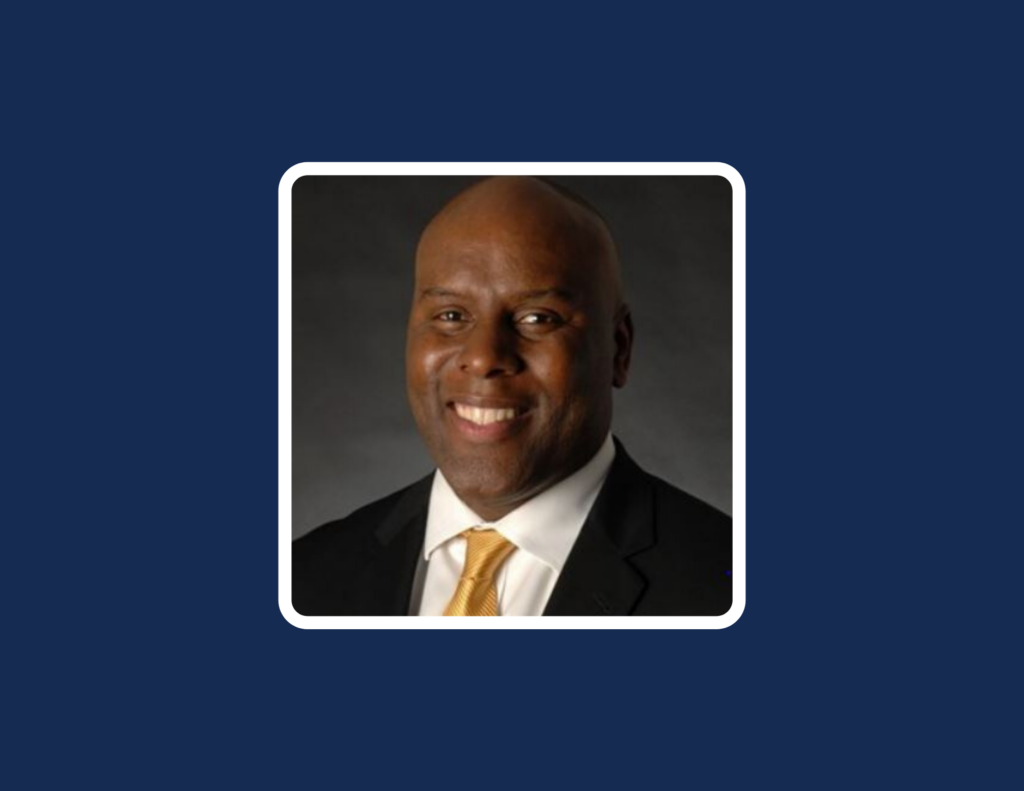
Pat Baldwin just completed his 3rd season as the head coach at the University of Wisconsin-Milwaukee. In his first season on the bench, he led the Panthers to 16 victories, an improvement of five wins over the prior season while also finishing four spots higher in the final Horizon League regular season standings.
A key member of the Northwestern coaching staff under head coach Chris Collins, Baldwin spent four seasons as an assistant coach at Northwestern, helping rebuild his alma mater into a force in the Big Ten.
Pat got his coaching start at Division II Lincoln University in Jefferson City, Missouri, during the 2001-02 season. From there, he coached at UW-Green Bay, Loyola of Chicago, and Missouri State before returning to Northwestern.
After graduating from Northwestern, Baldwin spent three years as a business analyst at Dean Foods in Rosemont, Illinois, before playing professional basketball in Bosnia and Croatia from 1999-2001.
Baldwin was a standout player for Northwestern from 1990-94. He ranks first in school history with 272 career steals, second all-time with 452 assists and 20th with 1,189 points.
Get your notebook and grab a pen so you can take some notes as you listen to this episode with Coach Pat Baldwin from the University of Wisconsin-Milwaukee.

What We Discuss with Pat Baldwin
- His experiences playing AAU and high school basketball
- Growing up as a multi-sport athlete
- Why he chose Northwestern and playing in the Big Ten
- Playing against Jimmy Jackson, Steve Smith, Calbert Chaney, Steve Scheffler, Glen Robinson, & Jalen Rose in the Big Ten
- His experiences playing in the CBA and ABL
- Working for three years and then getting an opportunity to play overseas in Bosnia & Croatia
- His craziest Euro Hoops Story – The Mafia Boat
- His first coaching job at Lincoln University & the experience he gained
- Being a first-time head coach and driven to succeed
- Delegating the right things to the right people
- Understanding your role as an assistant coach
- How to build trust with players when you take over a new program
- Don’t skip steps or sacrifice what you believe in order to win
- Your culture starts with the kind of people you have in it
- Advice on building a tough minded team
- Why he wants “Everyday Guys” at UW-M
- How to keep your reserve players engaged
- The downside of the new NCAA transfer rules
- The joy of mentoring his players and helping them develop into quality young men
Like this show? Please leave us a review here — even one sentence helps! Consider including your Twitter handle so we can thank you personally!
Subscribe to the Hoop Heads Podcast Here
Become a Patron!- We’re excited to partner with Dr. Dish, the world’s best shooting machine! Mention the Hoop Heads Podcast when you place your order and get $300 off a brand new state of the art Dr. Dish Shooting Machine!
- Coaches, we’ve teamed up with Coach Tyler Whitcomb so you can now purchase his exclusive new playbooks right from the Hoop Heads Pod website. If you’re looking for ways to improve your team next season these playbooks blend affordability with the quality content that serious coaches are looking for.
Just visit hoopheadspod.com/store in and you’ll find playbooks from
- John Calipari of Kentucky
- Leonard Hamilton from Florida State
- Mike Young of Virginia Tech
Check out these great resources at hoopheadspod.com/store
- Last year at the Jr. NBA Summit I came across an amazing company called iSport360 and its Founder Ian Goldberg. Their youth sports app gets coaches, players and parents on the same page. Your team can set goals, share player feedback, training videos, sticker rewards, player evals and practice assignments. All to foster healthy team communication and culture. If your team or club struggles to keep open lines of communication, especially among team parents, iSport360 can help. If you want to empower your athletes to have more success, more confidence and more communication with their teammates, give iSport360 a try today. Reach out to me via email [email protected] or give me a call at 216-392-4059 to learn more!
Being without basketball right now is tough for all of us, so we’ve partnered with Pro Skills Basketball to offer you a 50% discount on their Ultimate Shooting Guide & Video Program that will put players on a guided path to becoming the best shooter they can be. With ONE YEAR’s worth of workouts that include drills, games and competitions, players will gain access to a blueprint showing them what it takes to become an elite-level shooter. If you’re looking to improve your shooting at home, this program can help. Visit hoopheadspod.com/store to check it out.
Includes:
- A comprehensive 30-page e-book with tips on shooting form, body control and developing a shooter’s mentality
- A year’s worth of daily assignments
- Access to videos that explain daily assignment drills
- Email reminders helping players stay on track
THANKS, PAT BALDWIN
If you enjoyed this episode with Pat Baldwin, let him know by clicking on the link below and sending him a quick shout out on Twitter:
Click here to thank Pat Baldwin on Twitter!
Click here to let Mike & Jason know about your number one takeaway from this episode!
And if you want us to answer your questions on one of our upcoming weekly NBA episodes, drop us a line at [email protected].
TRANSCRIPT FOR PAT BALDWIN – UNIVERSITY OF WISCONSIN-MILWAUKEE MEN’S HEAD COACH
EPISODE 296
[00:00:00] Mike Klinzing: [00:00:00] Hello and welcome to the Hoop Heads Podcast. It’s Mike Klinzing here this morning without my cohost, Jason , but I am here with coach Pat Baldwin from the University of Wisconsin Milwaukee. Pat, welcome to the podcast.
Pat Baldwin: [00:00:13] Thank you very much. I appreciate being on.
Mike Klinzing: [00:00:15] We are excited to have you on to dig into all the things that you’ve been able to do in the game, both as a player and as a coach.
And I want to go back in time to when you were a kid and just talk a little bit about how you fell in love with the game of basketball when you were younger.
Pat Baldwin: [00:00:26] That was. Seems like a long time ago, but,
Mike Klinzing: [00:00:33] I can relate to that.
Pat Baldwin: [00:00:35] When I was a kid, I was pretty fortunate to have, I was the youngest of seven in my family.
So, I had three brothers and three sisters and, and they were all in the game and all very active and just sports in general. And in our town, our high school team and kids, we had kids all around their neighborhood. I had a park two blocks away from me. [00:01:00] And, so that was pretty easy to fall in love with the game.
And, so from the time I can remember, I had a ball in my hand, my gym teacher at the time, Robert stran. Oh, Bob straddle. He since had passed away. he had a picture of me at a, on a playground, with three balls in my hand, not sharing with anybody. So that picture kind of summarized what either any type of ball meant to me, but particularly basketball.
And, so, I got involved at, at an early age and just playing, watching my brothers and sisters play. my, my sister was a really good, my oldest sister was really good basketball player. She played multiple sports and, she, watching her, a lot of it, drew me to the game.
And then, one of my brothers, second oldest brother, he played on the high school team and, [00:02:00] and he was probably the most athletic out of all of us. he had four to 40 speed and, and, had some trials with the, with their Royals and, and all of that. But he also played, and I should just love when I was little, just going to his practices, going to the high school games.
I can remember and recall when I was, I would stand underneath the. underneath the basket during layup lines. And I could just feel the guys, when they did their lay ups, just the wind passing by me, just how quick they were. I always, I always thought about those little times when I, little things when I grew up and, and how enthralled I was.
And, so, fast forwarding a little bit into, when I got to, probably third, third grade, it just became an obsession with me. where I had to be at the gym. I couldn’t miss any games. I, I want it to be in every single play. [00:03:00] my brother Duane, he would tell you that, there was a time that 50 points was, was kind of the, the point totally.
You wanted to get in the middle school, games that we played on Saturdays at Nettie Hartman. And there was a time that, we were getting close. We were kind of like at 45 points. Then we scored 46 and then we score 48 and then someone missed a free throw. We got to 49 points and the coach told us to hold the ball.
So after that, and I, and I just was crying on the bench. I went home, I was crying. You couldn’t, you couldn’t console me. And I’ve wanted to get that benchmark of 50 points, for our team. And, maybe it was a lesson by the coach just to be humble and to have some humility. But, but that was great.
And then, I think the trajectory of my basketball career kinda changed in fifth grade when I started playing AAU. You have a very good teammate of [00:04:00] mine and friend of mine, to this day, Todd, no. his family was playing, someone, someone had introduced a mutual, and at that time it was, it was really statewide AAU.
It wasn’t the national thing that we know now. but then you go to the nationals in different parts and, so I was introduced at fifth grade to AAU basketball, and, the team was out of Atchison, Kansas. George Ross was, was the head coach. And I just thought it was tremendous. Just the, the opportunity to get a chance to, to play a travel a little bit.
My first travel AAU game was in Des Moines, Iowa. and I’m from Kansas city, so, planted the Moines, Iowa for the nationals and, and we played a team out of Potomac Valley, in Maryland. And, And, there were a number of teams that we played. I remember that game specifically because it introduced me to big time basketball, in my opinion, at that age, [00:05:00] because they were pressing us, they were trapping us, they were getting layups and still, so, that that made me, really hungry to get better.
And, and then my high school team was good. we went on, or I’m sorry, my junior high school team. we only lost two games in my three years in junior high. They didn’t have a ninth grade at the high school at that time. We were seven through nine. we were pretty good. went undefeated my freshman year and, and, and then going into the high school was really fun because all the years of watching my brothers and sisters play, participate and, and doing all that stuff, it just.
It was just a dream come true to be able to play high school basketball, for my high school and where the, where the blue and white and, and be a pioneer. it was, it was, it’s nostalgic even talking about it today, I’m getting goosebumps.
Mike Klinzing: [00:05:53] Yeah. That’s awesome. There’s two things I wanted to ask you about here.
So one is what you just described, [00:06:00] I think is such a huge part of having a successful high school, high school program, and that is. I heard you start from the time that you were a little kid early in elementary school, and clearly you had siblings that were on the team. But regardless, I think that when you can set up that aspirational situation where kids who are seven, eight, nine years old are coming to those high school games and looking at those kids who are on that team and saying, man, I can’t wait.
Till one day I get to put that Jersey on, or I can’t wait until one day I get to play for that coach, or I can’t wait till one day that I can run out of the tunnel and hear the fight song. To me, that’s such a huge part of building a high school program, and so it’s. Again, I I feel the same way. Like my experience was very similar to yours from a standpoint of when I was in elementary school.
I remember, I tell people this all the time. The one thing that I always thought was the coolest thing was to watch the high school kids come out and slap the back board on their layups during warm ups. I thought that [00:07:00] was like the greatest thing, man. I cannot wait until I can go out there and warm ups and just slap the glass on this in this layup line.
And so it was funny when you said, you could feel the wind of the players. come and pass you when you’re standing underneath the basket. I can completely completely relate to that. So that’s one piece of it. And the second thing I wanted to ask you about is, you talked about when you were little, and obviously with lots of brothers and sisters and you’re playing in Europe, you’re outside doing all those things.
Were you at any point a Multisport athlete during high school? Or at what point did you kind of drop those other sports if, if you did and just focus on basketball?
Pat Baldwin: [00:07:32] Yeah, it was funny that you say that. I go back to, you know what my dad would always say to all of us is. And he would always tell me not to put all your eggs in one basket.
And, and he was talking about, sports and all of that stuff. And I played. I played baseball, I played football. my dad would always say quiet as kept. He’s pretty a good soccer player to play soccer when I was younger and, and, [00:08:00] it was on a travel soccer team as a goalie. So, I played all the sports and wanted to do every single one of them.
I love Bo Jackson and Deion Sanders and those guys who played multiple sports as well. Then. And, so my dad always wanted me to keep my options open, with that stuff. And, and, going into high school, I didn’t think about, honestly, I didn’t think about specializing in one thing or another.
The seasons, when the seasons change, that means that you’re in a different sport. That’s what I thought about. So, but with AAU, I started playing AAU a lot, even more, and it became, much bigger as I got into high school. And with spring was usually baseball for me. And I found myself missing baseball or AAU tournaments.
And that was really a conflict for me because I love baseball. I loved, I love, pitching and catching and doing all that [00:09:00] stuff and hitting and being a part of that. And, and then when I got to my, my junior year, and I was still playing football at the time as well as a quarterback, when I got to my junior year.
I had an injury towards the tail end of my junior year in football. It wasn’t huge, but it was something that scared me. And my passion was with basketball because I grew up with, with, you can do basketball at any point, whether it was outside, inside, we were able to get to the gyms.
I used to go to watch my dad referee and do all that stuff. So you could play it at any time of the year. Baseball was tough to do that. Football was tough to do that unless you just threw the football inside. So I had a passion for basketball, and when I got the, when I had that injury, and, that really kind of made me think that that, was something that I truly love, that I wanted to just, just do that and not get hurt.
And, so that was kind of the, after my [00:10:00] junior year, I just concentrated on, on basketball and because, and because, in the spring, and. Your basketball just consumed everything that I did from time to my mind to, to all of that.
Mike Klinzing: [00:10:14] At what point in your playing career in high school did you start thinking about playing college basketball?
Was that something that was always on your mind from the time you were younger? Was it something that. Snuck up on you. Just describe a little bit about how you got to the point where you thought, Hey, I’m going to have a chance to play college basketball and then we can talk a little bit about your recruiting process and what that was like for you.
Pat Baldwin: [00:10:37] Yeah. it’s funny because kids nowadays just talk about hooping. all I care about is just hooping. And that’s what I thought about. I, I, my, I had brothers, my brothers and sisters, they went to college and my oldest sister went on to, to, she played three sports in college.
I didn’t think about college in a sense of going there to play. I [00:11:00] love watching the game. I remember watching a lot of the NCAA tournament and the high school state tournament and all that stuff. and my dad used to always take me to the NCAA tournament in Kansas city, which was great because he got me out of school to be able to do that with, with three of his friends.
Perks, man. Absolutely. Absolutely. But it really snuck up on me. Because I, I had a pretty good summer after my junior year. So I had, going into my senior year, I had a pretty good summer, and then I started getting mail. Then I started getting phone calls. And the crazy thing is that these AAU tournaments coaches were in the lobbies of the hotels we were at.
So, so then you start thinking like something’s going on. And I had, I had pretty good teammates as well in AAU. I had guys that ended up going to. K,U and Missouri, and, and, some really good, some really good schools playing basketball. And, so then [00:12:00] it really just, it caught me at that point.
And, but again, I was just still hooping and plan and, and loving the game and not thinking of it as, man, now you need to get serious about where you want to go and what you want to do. from that standpoint, because I mean, I just thought high school would go on forever from that standpoint, and it never thought about it, time eclipsing.
Mike Klinzing: [00:12:27] Exactly. It’s crazy when you think about that when you’re young, like high school seemed like it lasted forever. So if you think about, was there somebody that, that helped you through that recruiting process, high school coach, your parents AAU coach, cause I know at that time . There just wasn’t, you think about the amount of information now that’s available to kids, just in terms of the internet and just being able to talk to people.
And I think that high school coaches and AAU coaches are a lot more well versed on just what goes on in terms of recruiting today. But I think back in the era when you and I were coming up, it wasn’t as prevalent. So do you remember how who’d you get advice from? Or do you remember trying to navigate the process and what that was like.
Pat Baldwin: [00:13:35] to be honest with you. and it’s crazy that a lot of people would say that I was wise beyond my years and, and I was really quiet about the entire process. I loved it. my high school coach was really good about it, because he had coached guys that had played at Kansas and guys that have gone to, different junior college programs.
So he [00:14:00] understood the recruiting process and my brothers and sisters were. Were recruited, but probably for me too young to really even care at that point what was going on. But my high school coach, when I was going through everything, he was, he was always in my ear. He was always talking to me about the things that you need to work on.
And he all, he would always tell me, and my mom would say the same thing is, things happen for a reason. Your time is going to come. And I think he just let me enjoy the process more than anything. And just. Bill did all that stuff and shielded me from, all of the recruiting stuff as well.
And so if a coach came in to see me, he wouldn’t even tell me that, that a coach was coming in and see me. He just expected, Hey, he just expected me and kind of knew my personality that I would work hard no matter what. And, but my high school coach, Larry Hogan was, was really essential in, in helping me through this [00:15:00] process.
And. I had some, some schools recruiting me during the fall. Right now, kids are committing, before their junior, their junior year sometimes or before their senior year. And, I waited until, mid January to commit. So, so for me it was, he just made sure that I stayed humble, that I continued to work.
And, when it came down to, the decision that I had to make in schools, I had to look at. he was counseling me at that point. So
Mike Klinzing: [00:15:33] obviously you end up at Northwestern, but what was the decision making process that landed you there as opposed to somewhere else? Do you remember who your final couple schools were and then ultimately what pushed the decision over the top to make it Northwestern?
Pat Baldwin: [00:15:48] Yeah. the funny thing is, when I was, when I was at a five star basketball camp, I went there for two out of three years in my high school career. [00:16:00] In, in Pennsylvania, and at that point, all the best would go there if it’s not Nike, the Nike camp at that time. But, but a lot of really good players would go there.
I remember being at the camp and, and, Grant Hill was there, Sean Bradley, a lot of really good players doing that, that were my age, that were at that camp. So the reason why I’m bringing that camp up is there was one of the counselors was Ramil Robinson from, from Michigan. And I could just remember like looking at him like, man is his body.
he’s, he’s about my size, about six two. He was strong, he was physical and I, and then ultimately I saw him in the NCAA tournament and in the final four and the championship game and making those free throws, free throws against Seton hall. And so when I started thinking about college basketball, and, and.
And not necessarily programs. I started thinking about leagues. What league is [00:17:00] he in? He’s in the big 10 and, and I was a physical guard and a lot of people were telling me about the big 10 and how physical it was, and, and seeing the Michigans and the ally, NY, and all those schools, obviously Indiana, seeing those schools, there was extremely physical league.
And I just said, you know what? That, that fits who I was at the time. And. And, so the big gate was right, and I, I lived about 20 minutes from, from KU. So, they were recruiting me. Missouri was recruiting me. They were in the big eight at the, at that time, now the big 12. And, so that kind of was the, the list of, of schools that I had, but the big Tam was what really intrigued me.
And. And then the other side of that was, when Northwestern came in, my dad started talking to me about life after basketball and what that would mean for me. And, and, but I was telling him like that, hold on. I’m thinking about women, I’m thinking [00:18:00] about, I’m thinking about Kansas and Missouri, and Yukon was recruiting me at the time as well.
Those are kind of the last four. And, and he was like, son, he said, don’t. He said,don’t worry about all that stuff. And then my mindset started getting to the point where I was thinking, I always had a chip on my shoulder and I still do to this day. And so at that point I started thinking, you know what?
Northwestern hasn’t. They had, hadn’t done much. They hadn’t won, they had a really good player, Rex Walters and some other good guys. I thought I could come in and they’d be a part of, and I just said, you know what? I want to be part of that first group that took this team, someplace that, that one there.
And I wanted my name to be a part of history from that standpoint. And, so that’s what got me to Northwestern in addition to the academic, Part of it that that really paved my way from my future.
Mike Klinzing: [00:18:57] Yeah. I’m sure your dad had some conversations with you about [00:19:00] the academics at Northwestern at some
Pat Baldwin: [00:19:01] point.
Yeah, absolutely.
Mike Klinzing: [00:19:05] All right, so what did the summer look like between your senior year of high school and your freshman year at Northwestern for you in terms of getting yourself prepared, what do you remember about that summer and then what was your biggest adjustment going into college? Both from a social, academic standpoint and then basketball wise.
Pat Baldwin: [00:19:21] Yeah. I thought, my, my summer going or the spring, summer going into, before my freshman year, I was maniacal about my, my workouts in, in what I did. And, and, so there were some all straight games in between there. also our senior group, which is pretty good at, I told you, we had some guys that, from my AAU team, they played for Kansas and Missouri and some other programs.
we played against the, at that point it was the Soviet union in, in an all star game at Kemper arena in Kansas city where the Kings used to play. So that was the highlight of my summer, but I was maniacal in [00:20:00] my workouts and I lifted so much. And in preparation I ran. I did all of that stuff knowing that, I would have an opportunity to, to play and hopefully make a difference and the biggest, so that wasn’t going to be.
The basketball side wasn’t going to be the greatest challenge for me. The, the social and the academic side was going to be the greatest challenge. as much as I thought that I was smart, I found out there were, there were people like 20 times, 30 times smarter than I was. So that was a huge adjustment to me in the competition in the classroom as well.
The social aspect, I, all I cared about was, was basketball. You know? So there wasn’t, for me, there wasn’t a lot of going out and doing all that stuff. And, and, and I was almost socially in awkward or awkward because it was basketball and sports and that’s, that’s what I live. That’s [00:21:00] what that was. That’s what my life was.
And I had my friends in college and all that stuff and still have some good times with them, but I wasn’t used to, Hey, you have. Two or three classes a day, your workouts, and then you have some, some socials. I wasn’t used to some social time. I wasn’t used to that. And, so the biggest thing was the social and academic transition for me, which was the most difficult part.
And adjusting to that. But the basketball, I was, I was ready to go and it, and it actually hurt me as far as getting too big and cause I, I’d gone from shooting about 45% from the three in high school and really struggling. to shoot the basketball and finding my rhythm, my first year, even though I started every single game.
Mike Klinzing: [00:21:46] Yeah. I think that it speaks a lot in terms of when you talk about that adjustment period, from a social standpoint, and I think a lot of guys are, are similar to you and that, you have this sort of maniacal focus on, [00:22:00] on basketball and, and I think when you’re in your sort of high school bubble, your family, your family, obviously supports that.
And then you get to the case where you know you’re in college and sort of that freedom opens up and you kind of got gotta figure it out and there’s an adjustment for everybody when you get through that. And it sounds like from a basketball standpoint, you were obviously clearly ready to go right from the get go.
So when you think about your career at Northwestern, give me a couple of things. One, give me a highlight or two that stands out for you, and then obviously you played against some. Tremendous players and players that have gone on to become rather famous and were famous while they were in their school.
So talk a little bit about just the best guy or two or three that you played against and give us some highlights of some things that you remember specifically about your career at Northwestern.
Pat Baldwin: [00:22:46] Yeah, I could go on for days talking about the, the best guys in the top 25. Yeah, I’ll do that. We’ll, we’ll do that. first of all, the, the highlight was. [00:23:00] my first big 10 game and yeah, there was some non-conference games that we played and, and, and was able to do that. But my first big 10 game was against Purdue. And at the, at the time, they had a Shepler, I don’t know if you remember him, he was a fake lefty, Steve Scheffler.
Yeah, he was six, nine, and probably 900 pounds. And, but built like granted and, And then, they had, they had some, they had Woody Austin, they had some really good players. And that was my first big team game against the in elite program, or, or very good program that, that was built on toughness and, and all of that.
And, and, so that was a highlight, the first big team game. And then, the last highlight or the second highlight that was, that was good, that I remember to this day was. My last game, red receiving game as a senior in college [00:24:00] and Michigan came in. That was our last game. I think it was March 3rd or something like that.
They had come in and, and they didn’t have Chris Weber at the time. He had already declared for the NBA draft, but they had Jawan Howard, they had Jalen Rose, and then they had Jimmy King and Ray Jackson still. And they needed that game to win the big 10 outright. And we needed that game to give us any hope of planning any sort of tournament.
So, it was the NCAA tournament or in it, there wasn’t a CBI CSI and, and, all of that stuff. So we ended up playing them to overtime and then eventually beating them in overtime. And I think I had 20 and nine or 10 in that game and play really well and, and kind of submitted, are kind of close the chapter from us from that standpoint about my big team career plan against the Michigan.
So those two [00:25:00] were the greatest highlights for me from a basketball standpoint. and then if I start thinking about the, the, the greatest players that I played against. two guys, actually three guys really stand out to me. one was, one was Jim Jackson, he was six, six, six, seven, really tough, strong, and he played the, the point guard position.
And when he could play all over the court. But so just so tough and strong. I’ll give you a fourth one too. And then Steve Smith at Michigan state at six, eight he played the point for them and was really good. And then the last two, a Calbert Chaney, and I’ll tell you a story about guardian Calbert Chaney.
So we’re going into Indiana. He’s trying to, he was however many points from, getting the, becoming the all time leading score in Indiana history. And so coach foster, bill foster came to me and he said. All right, we’re going to play a a boxing one. [00:26:00] And I was like, okay, good. And I said, so who, who’s garden?
Calbert? So he, he said, you are. So then I get there and I, I’m not afraid of anybody. So I get there and I find out that he has to get to a certain number of points. I think it was 35 or 36 to get to, is whatever the total was the all time scoring total was. They set every single screen a magic for him to get open.
I’m bouncing off of a, I’m bouncing off these guys and, and getting screened left and right. He ended up getting it. And, I talked to him about, about it to this day, cause he had been in the coaching profession for a little bit, in college. And, he was the heart, one of the hardest persons that I had to guard.
And then the last one was playing big dog Robinson. they played, or Purdue. Just at six, eight, just could do so many different things, but just tough and athletic. And he beat us the [00:27:00] first game of my senior year in the big 10 on a back, kind of a behind the backboard shot, kinda like bird did, but it didn’t go over the top with three hands in his face.
And that was the game winner to beat us by one. And, but I also played with them in the U S Olympic festival, going into my sophomore year. He was going into his freshman year. Yeah. And it was great playing with him. cause made my job easier. Just pass it to the best players. No
Mike Klinzing: [00:27:27] doubt, no doubt about that.
No doubt about that. He’s the guy who, I think you look at his, you look at his NBA career. Obviously he had a good NBA career, but I think if you’d have said coming out of college what he was going to be in the pros, I think he probably. Didn’t achieve the Heights that maybe he expected. I think that other people expected.
When you thought about how dominant he was as a college, as a college player at Purdue, and he used to just, I mean, he was incredible.
Pat Baldwin: [00:27:53] Oh yeah. He was unbelievable. And he had a stretch where when he was playing against Kansas, he had a big time game against [00:28:00] them and ducked on Greg oldster tag.
Oh, see, I gave him five. I know some of us will tax team makes at this point, we’re sick to death when he gave. when he gave big dog five after that, dunk on him. And then Duke, he played against grant Hill in that, elite eight. that was a great game as well. But he, he was tremendous player.
Mike Klinzing: [00:28:18] Yeah.
That’s awesome. So I have actually have, I have two good stories for you related to two of the four guys that you, that you talked about. So Jimmy Jackson is an Ohio guy. And when I was in high school, my dad and I went, to, to a local high school here that Jimmy Jackson’s team would, Toledo Macomber came into and played here.
close to us, probably about a half hour away. And so I had never seen Jimmy Jackson just had heard, you hear, you hear the stories, but you had never seen him. And he was in 10th grade at the time. And my dad and I went, you’re just in a little high school gym and we got there early and you’re sitting in the bleachers watching the JV game.
And. you’re wondering, all right, are we gonna be able to know who this guy is? when he comes out, let’s try to identify, we didn’t have the [00:29:00] roster. And so, he comes running out and clearly, obviously
Pat Baldwin: [00:29:02] immediately know. You see, you’re like,
Mike Klinzing: [00:29:04] yeah, I think we know which one Jimmy Jackson is.
Cause he was, he was built the way he was as an NBA player. He was built that way when he was a 10th grader in high school. I mean, he just was. Again, it was like watching, it was like watching a man playing among, among boys. A silo is always a fan of him, just because I kinda got out on him early and knew a little bit about him back when, back in those days.
And then my Steve Smith story. So when I was at Kent my freshman year, which was 88 89, I didn’t play very much that year. but played a little bit, but we made it to the nit and we played against Michigan state. So that was the year. Steve Smith was a sophomore, and so we kind had a, a bench crew at the end of a, at the end of our bench, our freshman class that year had seven kids.
And so there was one who played a lot. And then there was a couple that myself and other guy that played. I don’t know. We might’ve played six or eight minutes a game, something like that. but my one teammate [00:30:00] went in and the last, we lost that game and he went, he checked in in the last, I don’t know, we were maybe went in the last minute and a half or so.
And for some reason Steve Smith was still in the game, but my friend was guarding Steve Smith and was picking him up like at half court and Smith Smith through the, through the Smitty move, Adam, the half, half reversed. And my friend fell down. And so for the remainder of his career, that was continuously brought up that Steve Smith made him, made him fall down with the, with what ended up being obviously his signature move.
If you, if you, anybody out there, if you search Steve Smith highlights, you’re going to see. 40 40 of those little hesitation reversed, reverse fake, reverse pivot moves. That was his, that was his move. A man. That guy was, he was good. He was a very, very, very good or very good player. So let’s go to, obviously you want to keep playing when you get done.
So talk about the profile when you started thinking about [00:31:00] playing professional basketball, what the process was like, and then we could talk a little bit about your experiences overseas.
Pat Baldwin: [00:31:07] Yeah. when I, graduated in, my career was over at Northwestern from a basketball standpoint. I started working out and doing all that stuff, and, and it was probably a long shot at that point, for the NBA, although, I still was thinking about it.
I mean, who wouldn’t? And, so I, I get an agent, I go through that process, and I think like a lot of kids, and maybe I was just so naive. I’m sitting watching the drafting. And out of that point, zero zero zero zero zero 1% that my name is called, you know. but, so after that my agent and I would talk and then I go through the summer and workout and, and was in, it was in LA for the, for the summer league.
And at that point [00:32:00] it was, there was going to be a lockout, prior to. prior to that season being over in the NBA. So, there were some, there were some guys that were playing in that, that, had been in the NBA but now still trying to get back in. So, they were in the LA summer league and I played and, and it was, it was good.
And then I had a, after that, was able to get to the CBA. and with the, at the time it was called the Hartford Hellcats and then, they changed to the Connecticut Bri. Paul Mokeski was the, was the coach. so that was, a short stint and, came back after that and, worked for a little bit, came back to Kansas, but worked for a little bit, worked at converse, bid, all that stuff.
Cause I knew I was still wanting to play, so I didn’t want to get, a job that kind of restricted me from being able to just break off and do what I wanted to do. [00:33:00] And, so after that, I continued to work. And then there was this, a developmental league. I don’t know if it was probably the worst.
They got beverage joined, but I went down to, Augusta, Georgia. There were some good players in it though. I was at a, it was called the team. It’s called Augusta drive. I think it was called the ABL, the American basketball league. And, so I was in Augusta. We played teams from North Carolina and Alabama.
And, some really talented players, from Iowa. I even had teammates that I competed against in the big 10 on the team. A couple of guys that, excuse me, that were from Arkansas at the time, had been, were on that team. So it was kind of a good concept, but just didn’t have the money in order to survive.
So the league folded, I said, I’m, I’m, I’m tired of the rat race at that point. And, I had a couple of nagging injuries and then just decided to work for three years. Yeah. I got a job at Dean foods [00:34:00] company in Chicago as a first assistant marketing manager, then as a business analyst and did that for three years, but I still had the bug to play.
There was a gym right next door to it. That was probably the worst thing that ever happened to that company. Is there being a gym right next door because. I would get all my work done, what I needed to do, calls and formulas and all that stuff I needed to complete prior to mid day, I would
Mike Klinzing: [00:34:27] where’s Pat?
Pat Baldwin: [00:34:28] Exactly. Exactly. I would skip lunch. I would skip lunch in order to just to play and lift and do all that stuff. And cause I had gained a few pounds, but because of that gym I, I had knocked off, I got back to playing weight and I was just there all the time. And. After work, I was there for about an hour.
They would drive home and, and so got back in shape. And then there was an opportunity in Elmhurst, there was a, there was a, a camp for [00:35:00] guys that wanted to try to see if they can get overseas. So there was a lot of international, representatives from general managers to Scouts and all of that stuff.
And, I was MVP of this camp, and from that point got on to a. as a team called Aaron had broken, in the, in Bosnia, Herzegovina near right near, it’s right on the border of Croatia. So, so I ended up signing with them, which was amazing. I didn’t know what to expect. And obviously I think everybody knows about what was going on in the war at that point, in that area.
And I almost didn’t care. Just get me over there and let me play. Let me get a feel for it. And, they assured me that there were no issues anymore. And, so had a great year there and then, the following year went to Zod RA, Croatia, where Dino Raja played and some really big time players in the, and he was from there.
where they play, [00:36:00] there was a, it was the greatest experience of my life from a basketball standpoint. I mean, I can talk about all the high school and in college stuff, but. When you start putting things in perspective and, and what playing in Europe and playing in that town. And for me kind of historical perspectives, that was the greatest, greatest place and time of my life.
my wife and I absolutely enjoyed it. we totally immersed ourselves in their culture. I learned a language a little bit. I’m not going to sit here and tell you I know the language, but, learn the language. just still have friends to this day from that time and still communicate with them.
And, if my knees and everything else held up, I still would’ve, would’ve been there. But I stopped playing too because of, not nine, 11. so that I, I had a contract to, to sign an Italy the following year. but nine, [00:37:00] 11 hit in that September, I believe, obviously, and decided not to put my family or my wife’s family through that.
Mike Klinzing: [00:37:07] Yeah. As a tough decision, I’m sure to make, with knowing you had, especially. Sounds like with the great experience that you had, to, to be able to shut that down and that and not go back. So I have to ask you, which I asked anybody who’s played overseas. You have to have, everybody has a crazy.
European overseas basketball story. So what’s the, what’s the craziest, what’s the craziest story that you can tell on air, for the time that you were over there? Cause everybody, ha, everybody has one.
Pat Baldwin: [00:37:39] Well, this is, this is a really funny one. Hopefully no one from, from Bosnia is listening. But, but, the owner for that team was, it was reported that he had stolen money from banks.
And was this. Big time mafia guy. And I had no idea, but it was, [00:38:00] it was reported. And so the whole time I’m just, let me just do my job. And if he needed me to score 20, I’m scoring 20. Cause that was the funny thing is, is I love the past and give up the ball. And then my coach came to me and the owner was, he, the coach was, he was, he was talking English while the owner was talking in Croatian.
And all I heard my coach say was, Patrick, we didn’t bring you here to patch. We bring you here to score. And I said, that’s all I needed to know. So, I went in and started, started scoring and, and that was my job, got MVPs and some of these tournaments that we were doing there.
But as the story goes, so I started knowing that about the owner and even the players started saying that. That he even shot his cousin, over some money. And the funny thing is this color, you better be scoring that.
[00:39:00] Pat Baldwin: [00:38:59] Absolutely. So his cousin even still worked for him, at that time after he was shot.
So, so then, so he had a boat, he had a boat along the Adriatic sea and all that stuff. And there was one weekend. That he asked my wife and I had to go out on the boat with him. And so in the back of my mind I’m thinking there is absolutely no way that I’m going on this boat with this guy. He knows where you go.Right. Don’t score two points.
Pat Baldwin: [00:39:34] Exactly. Cause I don’t know. I don’t know what his intentions are, what he’s going to do to me and all that stuff. And. I respectfully declined. And who knows, who knows what would happen if product out of that boat. so that was, that was kind of the big crazy story.
That’s a good point.
Mike Klinzing: [00:39:52] That’s a good one, man. I love it. Every, everybody has, everybody has one better. They’re just, it’s amazing. Just [00:40:00] how. Kind of goofy situations can be over there for sure. So all this being said, and going through your playing career and everything, at no point during this discussion have we talked at all about coaching.
So you, it seems like you were focused on continuing to be a player, and had you thought about coaching at any point while you were playing, or was it now here you get done and you’re looking around and you’re like, I don’t know if I want to go back to the business world. I want to stay involved in the game.
Let’s give coaching a try or was coaching kind of always in the back of your head. Just explain how you, how you came to the coaching profession after your playing career ended.
Pat Baldwin: [00:40:37] Well, I’ll tell you this, that when I was in high school, I thought about coaching. One of my favorite coaches to watch was George.
John Thompson at Georgetown. I always loved their team. I even wanted to go to Georgetown. I’ll tell you a funny story about that. I’m being recruited and. Only placed at the point at the time I wanted to go to is Georgetown. So I come home from school and my mom tells me, I [00:41:00] got a a letter from Georgetown.
As soon as you said I was at the door, I sprinted from the front door. To where she kept the mail. I opened it up. I’m so excited. I’m thinking of getting something from, from, from John Thompson. It ended up being an admissions letter. So I’m so disappointed. And to this point, I hate Georgetown because of that.
But, but the funny thing is, when I, I told you about my time at Dean foods. I liked working in the, in the business world and doing all that stuff. I didn’t love it. I, I didn’t have the passion for it that I do for basketball and sports. And so in talking to my wife, the thing that she taught, just do something that you love, that you love to do.
And, and I just felt from that point in talking with her, that after I’m done playing that I’m going to try to find something in coaching. So that was my plan from once I [00:42:00] played. Getting that out of my system. And then once I was done to go into, into coaching and, and, trying to be the best coach I could be.
Mike Klinzing: [00:42:11] So when you first get into coaching, you get your first job as an assistant at Lincoln. What does that, what’s your first, introduction to coaching? Like what do you remember about it? What was something that maybe surprise you about coaching that you didn’t realize when you were on the playing side of it?
Pat Baldwin: [00:42:27] Yeah. And it’s funny, so after nine 11 hit, I, I had to think right away, I’m not going back over there to play. So, so I’m scrambling now and trying to, and I, we, we saved a little bit of money and stuff like that, but, so I’m trying to figure out what I needed to do and where I, what I wanted to do.
And so, bill Pope, who’s now a scout with the Kings, he was the head coach at Lincoln, so I’d get over there, talk with him. No, he convinces me that this is an opportunity to get started. And it was a division two job. [00:43:00] So the first thing that kind of woke me up to, to college basketball and first memories was, I’m doing everything, and, I’m doing the laundry, handling some academic stuff.
I’m doing recruiting, I’m sweeping the floors, I’m doing drills. I’m on the phone, so I, I’m, I was like, with CEOs talk about, you better understand every single part about this business, ratio, you’ll fail. So, yeah, that was the thing that I remember just just doing everything and, but at the end, I didn’t think about was this a problem?
I just think about this is what’s expected and this is what I should do and what I wanted to do. so that was the kind of the first introduction that. This is, it’s more than full time. it’s a, it’s a 24 seven bill, from, from start to finish.
Mike Klinzing: [00:43:57] Did you realize that as a player, I mean, do you, did you [00:44:00] think, if you think back to the, let’s just go with your, your time at Northwestern.
Did you think about. Your coaches at that time, having to do all those administrative and other things that were, that weren’t related to basketball. Cause I think of myself as a player and I think back to my time in college and I really, again, coaches show up at practice or at the games, they’re on the bus, but you don’t think about all the time that they’re putting in with all these non basketball related activities.
And that was the thing that once you get into coaching that I think you don’t appreciate as a player the amount of time that your coach has put in. Outside of the time on the practice floor and at the actual games,
Pat Baldwin: [00:44:40] I had no idea. when I was playing at Northwestern and all the things that head coach and the assistant coach did, I had no idea what they had gone through.
And, and the knuckleheads they had to deal with, like, coming, coming through. so, I mean, it was, [00:45:00] it was. It was an eyeopening experience, but it wasn’t something that I was afraid of because I, I’ve always felt that I had a tremendous work ethic and, and whatever it is, whether it was playing, whether it was school, all that stuff.
I, I just wanted to do my job and do it to the best of my ability. And. But when I found out that this is what it takes, I was like, God bless every single one of these coaches that, that coach out there. Because, there’s so much of a commitment to it from the things that, that, happened with being away from your family about, all the little things that you don’t see, dealing with, some of these student athletes and, and sometimes what they go through.
the media, all that stuff you don’t recognize and you don’t see as a player and you just see the surface stuff. But when you definitely dive. And then get [00:46:00] underneath the surface of everything, there, there’s so much in this world that that would blow people away.
Mike Klinzing: [00:46:06] Yeah, no question about that. Let’s talk, I know I’m kind of jumping ahead here, but I think you just brought it up and I think it’s an irrelevant question that coaches out there.
I think all coaches struggle with this right word, but half the figure out. And you talked a little bit about your family, and I know you have four kids and a wife, and you’re obviously running the head of a division one program. So talk a little bit about how you tried to. Strike a balance between your ambition as it relates to being a basketball coach and what you are, what your responsibilities are, and what you want to be able to do at home with your family.
Just talk a little bit about how you handle that particular part of the job.
Pat Baldwin: [00:46:44] I think it’s, in the very beginning it is difficult and, and, and I’ll say this, anybody who gets their, their first opportunity as a head coach. You think about the number one thing that you think about is how [00:47:00] can I be successful in this place that I’m at because I don’t know if I’ll get another chance.
So that that’s one of the first things that you think about and if you’re worth anything or if you really are conscious about that stuff, you try to do everything within your power to make sure you do everything right so. and you try to, you wanna win, you wanna win. So you’re going to exhaust yourself.
You know? So the things that I, I’m sure other head coaches or guys in my position have done is that first or second that those first two years, you’re just really, you’re just running nonstop. You’re constantly at the office, you’re constantly on the phone, you’re constantly thinking about your program.
And unfortunately at some point. and it’s not something that’s conscious. It’s unconscious. You do this is sometimes you, you forget about the most important people in things in your life. And a lot of that is [00:48:00] your, your family. Because, because of all the sacrifices you’re trying to make for your program, you sacrifice your family a lot.
And that stuff. That’s the hardest thing that you go through as a, as a head coach. And, and hopefully you have an extremely supportive family that when you’re going through that grind and you’re trying to do well and, and you’re going to have ups and downs. And even on my worst nights, I think my, my kids, they run for the Hills after a loss or something like that, you know?
because they, they know I’m not in a bad mood, but they also know how much I put into it. That, you, you just, you just hope that they have so much strength and, and resilience to be able to, to withstand all the pressures that come with it and the time away and all that stuff because it’s, it’s tough.
And, but I think as you start getting established, I’m going into my fourth year. And so I think what you [00:49:00] start doing is you start really putting things in in a greater perspective and, what really matters. hopefully you have your program where it’s almost, it’s never going to be running itself, but you hope you’re in a situation where things are balanced and you know that certain people that you can trust within your team.
They’re taking care of that for you, and you’re delegating the right things in to the right people. And so now you can step back and you can concentrate, doing a little bit more, with your family. And I think if I’m just looking at our profession, this was a blessing in disguise. Not that I’d want anybody to die or have Corona virus.
but this was a blessing in disguise to make all of us as coaches. Realize what’s really important in in our lives and in this world.
Mike Klinzing: [00:49:53] Yeah, I think that’s a great point, Pat, and that’s one of the things that when I’ve talked to. Just my friends and my normal [00:50:00] life, and then other people that we’ve had on the podcast since this thing has kind of started, I think most of us who are trying to take that perspective that you just shared, which is it’s a chance to step back and reevaluate where your priorities are.
It’s a chance to step back and look at what your life is. It’s chance. Even more importantly probably to, to spend more time with your family than anybody has any right to expect to be able to spend when you’re in your day to day job and everything else. It just becomes such a challenge to, to carve out time when you’re, again, when you’re ambitious and you have things that you want to, when you want to achieve in your job, whether you’re a coach or whether you’re not a coach, if you’re an ambitious person, you tend to, you tend to focus on those types of things.
And sometimes, as you said. You get caught up and you forget about where. The really important things are, which is, which is at home, which is why again, we all do the things we do because we love them, that we’re passionate about them, but we also do them with [00:51:00] the idea in the back of our head that we’re there to be able to support and, and raise our family.
And that’s really what it’s all about. And I think you’re right that, again, it has been. A blessing in that way, that it’s, it’s slowed people down and caused them to sort of reevaluate themselves. And hopefully when we come out of this, eventually that, that change in perspective, we’ll continue to stick with us so that we can continue to make good decisions and be able to be able to strike that balance.
And so when I think about what you just said, one of the things that I heard you talk about there was, getting the program where. Not where it’s running itself, but where you have the right people in place and you’ve been able to establish things now and you’re in your fourth year and you have things.
Again, under control, maybe the right, maybe the wrong word, but you kind of have a system. Your systems are in place. You know what you want to do, you know how you wanna how you wanna do it. So if you think back to your time from starting out as assistant, that Lincoln, and [00:52:00] then you went to a few other stops as an assistant coach, what are some of the things you learned along the way as an assistant coach that helped you when you eventually got the head job at UWM Milwaukee?
Pat Baldwin: [00:52:13] Well, I think, one of the biggest things that I learned, in all my time as an assistant coach and, was trying to be the best assistant coach possible. So I had coached, didn’t have to do as much, I, I, I gradually picked all that up when I first started at Lincoln and then at Greenbay and then at Loyola, Missouri state in Northwestern.
But when I first started out. I don’t know if I really had that down. And although my intentions were, were great, I had, all I was really trying to do is submit myself and make, I was trying to make the, the head coach happy, but I was in a little bit of a [00:53:00] way. I was selfish in a way that I was thinking.
and that wasn’t a great thing. And, I quickly. had the perspective and change that and selfish in the way that I wanted to input. I want to put my imprint and, and, and even as a player, I always wanted to, what can I do to help? What can I do to help? But I became so selfish in that, in that respect that sometimes it came off as.
Either not listening or arrogant or something like that. And I did. That was not my intention. but I got better, after my third year of coaching, I mean, I learned to be even more re, Reliant on my other assistant coaches that were with me and being great, being a great teammate to the assistant coach, and then being a great steward for the head coach.
And, and that was [00:54:00] his program. And, and starting to think about. If I ran this program, how would I want? How would I want this to be? So I started putting my mind in, into our head coaches, a mine and a stepping into his shoes a little bit. And I think it, it became even better for me because I started becoming so much more in selfish, in the respect of, of what I thought about.
And it wasn’t just about getting the guy that I liked, it was getting the, the, the guy that. the coach that the head coach wanted and liked and felt like he could win with. And this is what his thoughts were. And, so as I look at myself as a head coach now, I’m very confident that, that I have guys on here that, that have been in the profession, long enough that they know that, there’s certain things that I like and dislike and, and they know how to fan those flames or put it out quickly.
before I have to get to it. So, [00:55:00] the delegation part of it is, is easy. The, I can relinquish some of the control. I am a control freak from that standpoint. I think a lot of head coaches are, but you just really have to have a, your coaches that are besides you, that, that, can help you with that cause, cause you want everything to be right.
Mike Klinzing: [00:55:20] absolutely. I think, as, as the head coach, I think one of the hardest things, and I could speak to this just in my own life, whether it comes to coaching or it comes to a basketball camp business or a podcast or whatever, I tend to be a control freak and I tend to want things done a certain way.
And then I think the danger, and it’s kind of what you were alluding to, is the danger, if you’re not willing to delegate and put people in places that. They can utilize their strengths and help you to, get the things done that you need to get done. You end up in that situation we were talking about before where you’re just running around crazy, don’t try and do everything, and then you’re sacrificing a little [00:56:00] bit of yourself and you just can’t, you just can’t get everything done if you can’t delegate.
And when you have good people that are a part of your staff, you want to be able to take advantage of the things that they do well and you want them to be able to help you. That’s why they’re there. And sometimes, again, as you said. It’s difficult to do that because you want to have control. You want to be able to put your imprint, you, you believe in yourself and what you’re capable of doing.
And so I think that that is, I’m sure, a process. And it sounds like it was a process for you, and I know it’s an, it’s an ongoing process for me and probably for a lot of other coaches, is to be able to sort of surrender some of that authority, some of that control to someone else to be able to say, Hey, you got to take
This part of it, or you’re going to do this part of it, and ultimately that makes, that makes everybody stronger. And I think that’s what it sounds like you’re trying to do there at UWM Milwaukee is. Talk a little bit about when you first got the job, what were some things that, obviously I’d never been a head coach before.
So you come in and what were some things that you thought, if we’re going to build this program and get it [00:57:00] to where I want it to be, these are some things that I have to put in place in order for the program to get to. Where I want it to get to. Do you remember what your, your first priority or two were when you first got the job?
Pat Baldwin: [00:57:13] Well, I think, anytime that, you get a head job in this, obviously you talked about it, that it was my first time getting this opportunity. I had a lot of great people that, that I worked with that gave me a tremendous amount of advice. I can talk about from the time that, Lincoln to Greenbay and Loyola, Missouri state and, and,
Know, at Northwestern, they were tremendous people. And, and I would say, the first thing that they talked about, and we kind of mentioned it, was getting great assistant coaches, that were in aligned, that went alignment with what your goals are and how you want it to be, and how you wanted the program to look.
And, so once you establish those things and you have those guys, [00:58:00] that will work hard for you and, and do whatever you could to. They could do to get it done. then you had to establish your culture and how you want it to be. But that takes, that takes time. And you have to build trust with, with your players and who you already have in, that was going to be the most difficult thing is, you’re going into a place where someone else had recruited these kids that were in there and, and then you don’t, they don’t trust you.
And that’s not, it’s nothing against the person who was hired in there just. A natural instinct of kids to, to wait a minute, I don’t know you, I don’t know what you’re about. I don’t know if you really care about me. So they innately don’t trust you. So you have to build that trust and, and all of that. And, and then, Jim Phillips, who’s the D at Northwestern, he would always tell me, is.
Is this not going to happen overnight? You have to, you have to [00:59:00] build from, the foundation. You have to start with the foundation and you have to trust, that is going to, periodically get done in, in, in the right way. And, so that’s followed. That’s followed me. And then, I had a great model of, of where, the last, my last stop of, and even prior to that, we, we built every place I’ve been, we’ve, we’ve had to build.
And we had to kind of bring it up from the rubber a little bit. So from, from that standpoint, I had a great lesson of. How do you take things from the very bottom and tried to build and you don’t do it by skipping steps. And I think that was the greatest lesson that anybody’s ever told me. And are they be consistently, or my former ed at Northwestern who he consistently tells me, don’t skip steps.
Patch those. Don’t skip steps. My AAD now, Amanda Braun, she says the same thing is, we’re, we’re not skipping any steps. [01:00:00] Continue to do the right thing with the things, with this role program. And things are going to work out. And, and she trusts, that, we are, going about it the right way.
Mike Klinzing: [01:00:11] So what does that look like when you say don’t skip steps, what are some steps that in your mind or things that you’re trying to do, things that you’ve already done that are leading you to the success that you eventually want to have.
Pat Baldwin: [01:00:24] I think when we, I think every coach who gets in this profession, they think about winning.
And so when you think about winning, you think about how can I get there as quickly as I possibly can because everybody’s a competitor and you want to win at all costs sometimes. but sometimes, we’ve, we’ve seen it that a lot of coaches will sacrifice. Themselves and sacrificed their souls for a win or for the best player in the world, and, and all that stuff.
And, and that’s what I think, that’s what it looks like. the other side of that is when you, when you’re not skipping steps, you’re, [01:01:00] you’re just saying, you know what? A loss may not seem like, may seem like a loss to somebody else. But that, maybe that loss may be a wind depending upon how you played and what your goals are for each game that you go into, or each step from recruiting to the process and all that stuff.
And, and, I’ll, sometimes, skipping steps, you’ll say, you know what, in order to win, I’ll, I’ll get the, I’ll get a jerk as a player, or I’ll, but he can play. And. But I, almost kind of put my, my program, set, my program a blaze because I’ve tried to get the best player that’s not a true fit for your program.
And, so I’m reminded of that constantly to, it may not look pretty from the very beginning. if. If you don’t get that best player or you pass on a really good [01:02:00] talent in order to sacrifice the culture of your, of your team and program, but eventually it’ll pay off for you. And I, I’m a true believer that eventually is gonna pay off for us.
And, and skipping steps also is, is, or not skipping steps is making sure that, when you’re building the right way, you’re building with, with kids that, have a. at the senior focus of of I want to do the right thing. I want to get a great education. I want to perform well, I want to do all this stuff from a basketball standpoint.
And, you’re not going, you’re going to be an everyday type person and everyday type of team and every day, type of program, all that stuff. And, and, so that’s what it means to me. And that’s what it looks like. And, I think we’re going about the right way. The winds hadn’t come the way that, and as quickly as we wanted to, it looked that way.
My first year when we went from, the team has gone from eight wins the previous year before I [01:03:00] got there to 16. So I’m thinking. I know it’s not easy, but we’re, we’re going in the right direction. So would say you don’t want to win too early or you create a unrealistic, things from that standpoint.
But we had a lot of wins this year despite, some losses, and, and people don’t understand that. But our program, we do.
Mike Klinzing: [01:03:27] All right. Talk a little bit about what it takes to build the kind of culture that you want to build and then just describe for us what the culture of your program is all about.
Maybe give us some pillars. Give us some, some words that you guys use within your program to with yourself to say, Hey, this is the kind of program that we are. Just talk about the culture that you’re trying to build there.
Pat Baldwin: [01:03:50] Yeah. I think the first part of your culture is the people that that are in it.
And first it starts at the top [01:04:00] with, with rad and, and our administration, and then it starts with our coaches. If you don’t have a buy in, if you don’t have that, the people that really believe in what you’re doing, then. That’s going to erode over a period of time. But I believe that we have that, I think we have committed coaches, and then it comes, the other part is the other people are the, the players.
yeah. And I think everybody knows this. You have to get very good kids, that are committed to that, that are committed to everything that’s involved in the program, that are committed to doing a great job academically, that don’t miss classes, that don’t. don’t get in trouble. They don’t embarrass their family or friends or, or any, anyone in that university, that they’re committed to working hard.
They, they want to get their bodies right. They treat their bodies right. so, so from the coaches to the players, you really have to be committed to that. And, [01:05:00] and you have to be honest with yourself too. the thing that we have to do as coaches is we have to make sure that if there aren’t people.
And coaches or players that aren’t committed to doing the right things and committed to being everyday guys. And that can’t be a part of your program because ultimately they’re going to get to somebody on that, on that team. And when you have. One guy that isn’t committed and then they infiltrate someone else’s mind and, and all of that stuff.
Then there’s two, and then two could lead the four. And then there goes your, your program and the things that you want to do the right way. so that’s, kind of a capsulates, what that looks like, is it first starts with the people, that you bring in, and then it just starts with, from the.
The, the mentality that you have, with, with those people in there. And I want, I want anybody looking at our program that, [01:06:00] that says, you know what, that’s a tough minded team. That’s a tough minded program. They do things the right way. you almost have to kill them to beat them. and I just want to, to have that, that tough mindset.
if you’re looking at, if you’re looking at my team, and, and that’s what I think that we’re built on. And that’s where I think our culture is. And some people say, it’s, it’s a grind. It is a grind. if you’re going nine or you’re basically, you’re, you’re almost 12 year, 12 months out of the year doing things and, and competing and getting yourself ready.
for the, the grind of a, our five or six month period. And, you have to, you have to enjoy the grind. you have to embrace that. And if you have guys that don’t embrace it, then you’re going to be in trouble. I saw a tweet from a young man then, and I get it, kids are, they’re anxious right now.
They’re trying to go through, they’re going through so [01:07:00] much. This is unusual for them. They can’t, they’d never gone through anything like this before. And it’s still adversity and we’re trying to coach them and teach them on how to handle this and be, and have a great perspective about it.
But the tweet said is, all, and this is about recruiting all the stuff going on. I’m sick of, Corona virus, which is accurate in a fact. Everybody is, I’m sick of the way that we have to do things now. And, all this, phone calls and virtual stuff that, that in meeting with coaches, I’m sick of this crap.
And from one standpoint, I look at it, say, you know what? I am too. I am too. I’d rather be in front of you and and trying to help you and really let you see the campus and meet our guys and all that stuff. But then I stepped back and I said, what if? You know what? If I give you a [01:08:00] scouting report. You have to play against the best team in the world or best team in your league, and you have that scouting report and you say, you’re sick of this.
What if you miss a line and you have to run it again? And then you stop running because you say you’re sick of this. What if after a hard practice, you have to go into the weight room and you have to lift after that? What if after you know the lift and now you have to do your treatment. And then from your treatment, you have to eat, and then you have to, go to study table, and then you say, I’m sick of all of this, you know?
So I looked at that and say, you know what? This is not my type of kid. And could have been a good kid. Maybe it’s just sick of it, but I want somebody saying, you know what? We’re dealt, we have to go through this. I have to embrace, embrace it for what it is, and, and I’m ready to attack it. I, I’d rather see somebody like that, and maybe I’m making a poor judgment on a kid based off of that.
But, it’s little things like that that, make me pause and realize, let’s [01:09:00] make sure you do all your homework on, on every single kid. And I think we made the right decision.
Mike Klinzing: [01:09:05] Well, I heard you say a couple of times, use the term and everyday guys. Is that a term that you use with your players and whether you do or you don’t just define that in your mind cause I think that’s something that encapsulates a lot of what many coaches want in their culture.
They want everyday guys. So just talk a little bit about what that means to you.
Pat Baldwin: [01:09:25] Yeah, and I’ll definitely will, kind of, the phrases we use are everyday guys and working until, and build brick by brick. but everyday guys to me are, similar to, what I just talked about is. Is you’re going to have great days.
You’re gonna have bad days. You’re going to have days in between, but that, that doesn’t change how you are. You’re going to get up in the morning every single day. You’re going to have a positive attitude about attacking your classes, making all your classes on time. Seeing your academic advisors being, you [01:10:00] know, having a great spirit, coming to the waves, being ready to build your body up.
it’s practice. Maybe you’re, you’re down in energy, but what, I’m going to find it some way somehow to be a great teammate, have a great practice and lift somebody else up. You always talk about filling somebody else’s cup. We talk about afterwards, of doing the right things, so it’s, it’s every day and it’s kind of the.
It is not the right term, but in sanity, it’s, and you talked about, the Groundhog’s day, you gotta, you gotta want to do this every single day, no matter that, no matter the grind, no matter whether it’s successful or, there’ve been some setbacks. You have to want to do this every single day.
And I think that the more everyday guys that you have in your program. The more success that you have and, and I think we’re slowly getting to [01:11:00] that point where we have a lot of everyday guys and everyday coaches too.
Mike Klinzing: [01:11:03] All right, so follow up with that. You obviously want every guy on your team, on your roster to be an everyday guy.
And yet, during the season there’s going to be guys on the end of your bench who. Don’t play as much as they want to play or there’s going to be guys who don’t have the role that they want. So just talk a little bit about how you keep the guys at the back end of your roster engaged throughout the season.
Cause I know that’s something that you think about as a coach. And a lot of times as coaches, we end up spending a lot of our time with thinking about the guys who were at the end of our roster. And making sure that they’re engaged, that we’re keeping them apart of the team. So just talk a little bit about how you go about doing that and keeping those guys at the back end of the roster engaged and keeping them as everyday guys.
Pat Baldwin: [01:11:50] Yeah, that’s, that’s really tough and tricky. And, the thing that I, really from the very beginning is I talk about, and we had up on our [01:12:00] board, every single meeting that we have is we have our standards and, and, our mission statement and what that, and what that means and the things that are all in that standard for center of excellence board is trust and accountability.
And so when you have guys at the end of your bench, and there’s no question they want to play, they want to try to help you succeed. And, and I hope they’re, that they’re wanting to let me play hard and beat this guy out in practice. So I get an opportunity and that’s what I’m looking for. but the, the first part of that is just the trust is.
When I talk with each and every one of them individually and as a group, I tell them the truth. I tell them where they’re at and we talk about their roles. I’m on this team based upon summer and fall. And then I, and then [01:13:00] we talk about, where we feel like, their role is on our team and. I think if we talk at, talk about it from that standpoint, you start building trust with them.
And I do it in front of, I’ve talked to them about it individually, but I do our roles in front of everybody. I talk about them individually, in front of everybody from where they’re at, so that even the guys that that may get the 30 minutes per game, they understand where this young man is at and what he’s done.
And, and. I can corroborate with my best player and he can say, yeah, I see why he’s not playing. You know what I mean? and so if we can build that trust and they know that, that I have their best interests at heart, and that we have our open door, me, they can come in at any point and talking, and I’m not afraid to telling our guys the truth.
And they know that, and they know where I stand. Then the second part is the [01:14:00] accountability of it is if they’re accountable and that’s where you get the everyday guys, everyday guys are going to be accountable for themselves. if they see on a stat sheet that they may not be producing like somebody else that’s playing a lot, then there’s the accountability.
Like, wait a minute, this guy has produced in practice and in games and, and I’ve had my chance and I’m not there yet. So. So we had guys like that that came up to me and told me that. Like coach, I want to get to where he’s at. I know where I’m at right now though. Can you work with me? Can I come in and watch film?
Can we stay after practice and work on this single aspect in the game or from the practice? And so that’s where kids, they start being accountable. And I thought we had that with some of our guys who were on the bench this year. And then it’s, it’s the love. our guys from one, we had 18 guys. We had five or three walk ons for Walker rounds, but our [01:15:00] guys at the end of the bench, they were so astatic for the success of their teammates because they loved each other.
So that’s what kept them going. In my opinion. It wasn’t anything I did or said. But, but because they hung out together, they, they rent their apartments or dorms, they did everything together. They talk about this being the best team that they’ve ever been been a part of from that standpoint, because they loved each other.
It made them work harder because you don’t want to let that person down. when you’re going into practice, and, and our guys who were, who were players, who played a lot, they would get on our, guys, if they felt like, those guys that were 10 through 13 or 14 on the, on a depth chart, they would get on those guys if they didn’t feel like they were bringing it.
And so that’s, that’s where I think you get to him if you have that, that [01:16:00] trust and that accountability part and that love for each other, your guys that don’t play as much, you know? Yeah. They want to win. They want to compete and they want to be out there, but they’ll, they’ll buy in, to a certain extent.
You know what I mean?
Mike Klinzing: [01:16:15] Absolutely. I think that sounds like a fun team to coach.
Pat Baldwin: [01:16:19] Yeah, it was, and we didn’t get, like I told you, we didn’t have the wins, but that’s why I’m telling you that I thought we win. We won without the winds. in some of our losses because we had great teammates. They love being around each other.
And at times though, they, they realize I have to step it up and we’ll tell them that. And, and I’m, I’ll always be honest with my guys from that standpoint and be truthful. Like. Yeah, he’s, he’s scoring 16 for a reason and I’m giving him, the ball. I’m putting the ball in his hands for a reason because I trust that, I trust him and I want to, we had a couple of guys this year that I [01:17:00] told them in front of everybody is I’m looking at you every single day in practice.
I’m watching YouTube every single, I know what these guys can do. I’m watching you every single day in practice because I’m hoping that you can give us, a stretch of three or four minutes of great basketball. You know when we call your name with, I don’t see that in practice where you’re going through a, anything competitive in practice and it’s a three or four minute segment and that’s, you don’t give me that.
You don’t produce or give everything that you have in that three or four minutes segment. Then how can your teammates trust you when they come out of the game to give you that same thing or give them that same thing.
Mike Klinzing: [01:17:42] You have to. I think, again, it goes back to what you said about accountability and making sure that you’re handling what it is that you need to do as a player.
And I think oftentimes, you’ll hear players that will grumble about opportunities and they’re not getting an opportunity to game. And I think what players sometimes forget is that. [01:18:00] In practice, you’re getting plenty opportunities to be able to demonstrate and show what you’re, what you’re doing.
And coaches are clearly paying attention to that and in the practice setting, and I think it’s important for players to understand that you’re being evaluated every single day, every single moment with. I know not everything could be culture piece. It could be your performance on the floor. Like you said, we might only need three minutes from you out of this game, but that could be the difference between a win and a loss.
That three minutes I gotta be able to trust. Just like you talked about, trust and other ways, you know? Yeah. I gotta be able to trust if I put you on the floor, that your performance is going to live up to what we need in order for us to be, to be successful. We’re coming close here, Pat, to a an hour and a half.
I’ve got one more question for you. Actually a two parter. So my last question is, when you think about your, your years here at UWM Waukee, what has been your biggest challenge in the job? And then let’s end on a high note with what’s your biggest joy when you wake up every day in the morning? [01:19:00] What’s your biggest joy about being the head coach at the university of Wisconsin Milwaukee?
Pat Baldwin: [01:19:05] Well, the biggest challenge is Mmm, yeah, that’s a great question. But the biggest challenges when we. Develop any of our players, and they’re really good. and they’re young and, or red shirt guys believing that, that a man, their best basketball is ahead. and then kids decide that they want to transfer.
that’s the biggest challenge because, nowadays you’re not, it’s almost as if you’re not preparing them. For four years. It’s almost like they’re at your program. It’s like you’re preparing them for. What could be their next stop. So if you’re really doing a great job in, in developing kids, and that’s the way it was our first year, they had, we had an eight plus win, margin from before I got there to the, to the year at the time I got there.
[01:20:00] And so kids are thinking, well, shoot, we had, we had more success than we did the previous year. My numbers went up and I got greater opportunities. I have this. This film in front of me now that I can show somebody else. And now let me go see if if I can do this at the highest level. And so in this day and age where there’s a lot of transfers, and if for whatever reason, best, the greatest challenge of really building your program and trying to build it with those four year guys that you can keep.
And not have to worry about if they’re being poached by other programs and in particular, high major programs. that’s it. now they’re talking about with the, the one time transfer rule coming out. That’s going to be even a greater challenge because now if [01:21:00] a kid, if you develop them, he hasn’t left yet and he’s doing well in school and he’s.
Doing well in your program. He can leave at any point without,
Mike Klinzing: [01:21:09] that’s crazy. It really is crazy. I mean, when you think about it from a big Baker or standpoint. I mean, that rule, that rule is a potential, I would think from a mid-major perspective of a potential disaster.
Pat Baldwin: [01:21:21] Yeah, no, it is. And that’s what, that’s what all of us are afraid of.
And, and there’s, there’s seemingly no control on that at this point. And we almost have to, and I believe in a kid having the right, if they’re being abused or mistreated or something like that to, find a different Avenue, a different place. But, if there’s nothing like that going on and kid just wants to leave, just because they, score 15 points per game for you, and they have two years of eligibility, there’s nothing been that we’re going to be able to do.
we can’t control that. So that’s a challenge. and then the, [01:22:00] the greatest joy is just when I wake up every single day, knowing that there’s a great opportunity in front of us to, to get our guys better. To, get with my staff and talk about our strategies, how we move forward with our team.
with recruiting. All of that just gives me so much joy. And then always, I always think to where we can be, so when March hits next year, will we be in a position where we can say, we’re either dancing. Winning our league or getting, a half to, what do we need to do to continuously improve?
That just brings me joy. And then the ultimate joy is the guys that you’d coach and that you mentor, that you see them graduate. And, that, that’s our role as a coach is yet, yeah, our role and we need to win. We want to win. but we’re trying to help [01:23:00] young men go from. Whatever, whatever time we get them from 18 to 23 or 24 years of age, our role is to make sure that they grow up.
They become, quality young men and that they graduate and, be able to do something with their degree and be impactful in their lives.
Mike Klinzing: [01:23:20] Pat, that is fantastic stuff. it’s been a pleasure getting a chance to talk to you this morning for almost an hour and a half. Before we get out, I want to give you a chance to share where people can connect with you and connect with your program.
Give them a way to, to find out more about what you have going at UWM Milwaukee, and then I’ll jump back in and wrap up the episode.
Pat Baldwin: [01:23:39] Yeah. it’s, I really appreciate you allowing me to get on with you and, and had a, had a great time. If you wanted to, if you want to connect with me and if you have any questions or anything pertaining to my program.
my email addresses is [email protected] [01:24:00] and I’m constantly, on Twitter as well, probably to the, to the detriment of my family. My Twitter account is @CoachBaldwin23. And I’m constantly looking at that stuff, but that’s a way that you connect as well. And then our website is MKEpanthers.com and if you want to find out anything that’s going on within our program. So, but I, I’m extremely grateful for the opportunity to come on with you and share this hour and a half and talk hoops. There’s nothing greater than that.
Mike Klinzing: [01:24:36] Couldn’t agree more. Pat can’t thank you enough for spending the time with us this morning and to everyone out there we will catch you on our next episode. Thanks.