
TIFFANY SARDIN – PRESBYTERIAN COLLEGE WOMEN’S BASKETBALL HEAD COACH – EPISODE 1040
Website – https://gobluehose.com/sports/womens-basketball
Email – [email protected]
Twitter/X – @BlueHoseWBB

If you listen to and love the Hoop Heads Podcast, please consider giving us a small tip that will help in our quest to become the #1 basketball coaching podcast.
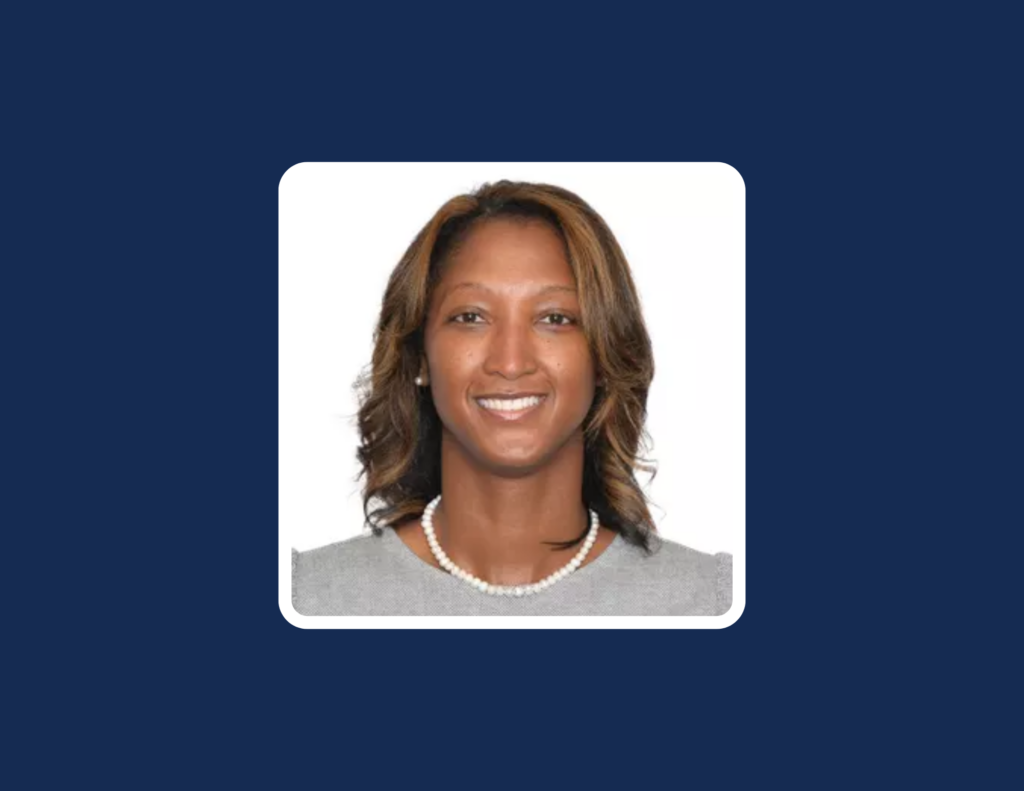
Tiffany Sardin is in her first season as the Women’s Basketball Head Coach at Presbyterian College in . She was previously the Associate Head Coach at Saint Louis University where she helped the Billikens win the Atlantic-10 Conference Tournament Championship and earn a bid to the NCAA Tournament. Prior to her one season at Saint Louis, Sardin was the Head Coach at Chicago State where the 2021-22 team matched their total number of victories from the previous four years combined. As an assistant coach, she has spent time at Longwood, Boston University, Clemson, Illinois-Chicago, and Mount Olive.
Sardin’s stellar playing career at the University of Virginia spanned from 2002-2006, where she was a three time team captain. She helped lead the Cavaliers to consecutive 20-win campaigns as an upperclassman.
On this episode Mike & Tiffany discuss the importance of building a strong culture and a solid foundation for success in her program at Presbyterian College. As she navigates her first season, Tiffany reflects on her journey through coaching, including her experiences at Chicago State and St. Louis University, where she learned valuable lessons about leadership and resilience. She highlights the evolution of opportunities for female athletes compared to her own upbringing in Chicago, where access was limited. Tiffany’s passion for coaching is evident as she discusses her approach to developing relationships with her players and staff, fostering an environment where everyone can grow together. As the conversation unfolds, she shares insights on the challenges ahead, particularly in adapting to the changing landscape of college athletics, including the impact of NIL (Name, Image, and Likeness) on recruiting.
Follow us on Twitter and Instagram @hoopheadspod for the latest updates on episodes, guests, and events from the Hoop Heads Pod.
Make sure you’re subscribed to the Hoop Heads Pod on iTunes or wherever you get your podcasts and while you’re there please leave us a 5 star rating and review. Your ratings help your friends and coaching colleagues find the show. If you really love what you’re hearing recommend the Hoop Heads Pod to someone and get them to join you as a part of Hoop Heads Nation.
Please take some notes as you listen to this episode with Tiffany Sardin, Women’s Basketball Head Coach at Presbyterian College.
What We Discuss with Tiffany Sardin
- The evolution of women’s basketball opportunities compared to her childhood
- How her experiences as a player shaped her approach to coaching
- Her admiration for her high school coach and how it inspired her to pursue coaching
- Coaching high school was a humbling experience that taught her patience
- Her experiences playing overseas
- Why coaching requires flexibility and the ability to adapt to the team’s needs
- The significance of genuine connections with players and staff
- The challenges of integrating NIL opportunities into her recruiting strategy
- Building a strong team culture over time
- Why having a supportive coaching staff and shared leadership is essential for success
- Effective practice planning requires focus on key areas to ensure player development
- Hiring good humans is the key to a great staff
- The challenges and opportunities she has faced while transitioning between programs
- Engaging with returning players when taking over a new program
- Developing a strategic approach to practice planning
- Navigating the evolving landscape of college athletics
Like this show? Please leave us a review here — even one sentence helps! Consider including your Twitter handle so we can thank you personally!

We’re excited to partner with Dr. Dish, the world’s best shooting machine! Mention the Hoop Heads Podcast when you place your order and get $300 off a brand new state of the art Dr. Dish Shooting Machine!

Prepare like the pros with the all new FastDraw and FastScout. FastDraw has been the number one play diagramming software for coaches for years, and now with it’s integrated web platform, coaches have the ability to add video to plays and share them directly to their players Android and iPhones via their mobile app. Coaches can also create customized scouting reports, upload and send game and practice film straight to the mobile app. Your players and staff have never been as prepared for games as they will after using FastDraw & FastScout. You’ll see quickly why FastModel Sports has the most compelling and intuitive basketball software out there! In addition to a great product, they also provide basketball coaching content and resources through their blog and playbank, which features over 8,000 free plays and drills from their online coaching community. For access to these plays and more information, visit fastmodelsports.com or follow them on Twitter @FastModel. Use Promo code HHP15 to save 15%
Your first impression is everything when applying for a new coaching job. A professional coaching portfolio is the tool that highlights your coaching achievements and philosophies and, most of all, helps separate you and your abilities from the other applicants.
The key to landing a new coaching job is to demonstrate to the hiring committee your attention to detail, level of preparedness, and your professionalism. Not only does a coaching portfolio allow you to exhibit these qualities, it also allows you to present your personal philosophies on coaching, leadership, and program development in an organized manner.
The Coaching Portfolio Guide is an instructional, membership-based website that helps you develop a personalized portfolio. Each section of the portfolio guide provides detailed instructions on how to organize your portfolio in a professional manner. The guide also provides sample documents for each section of your portfolio that you can copy, modify, and add to your personal portfolio.
Hey, coach! Want to take your team to the next level this season? Introducing GameChanger, the ultimate game-day assistant with tools to give you a winning advantage. With GameChanger, you can track stats, keep score, and even live stream games, all for free! Get the stats and crucial game video you need to lead your team to victory, all from the palm of your hand. Coach smarter this season with GameChanger. Download GameChanger today on iOS or Android and make this season one to remember. GameChanger. Stream. Score. Connect. Learn more at GC.com/HoopHeads
THANKS, TIFFANY SARDIN
If you enjoyed this episode with Tiffany Sardin let her know by clicking on the link below and thanking her via Twitter.
Click here to thank Tiffany Sardin via Twitter
Click here to let Mike & Jason know about your number one takeaway from this episode!
And if you want us to answer your questions on one of our upcoming weekly NBA episodes, drop us a line at [email protected].
TRANSCRIPT FOR TIFFANY SARDIN – PRESBYTERIAN COLLEGE WOMEN’S BASKETBALL HEAD COACH – EPISODE 1040
[00:00:00] Mike Klinzing: Hello and welcome to the Hoop Heads Podcast. It’s Mike Klinzing here without my co host, Jason Sunkle tonight, but I am pleased to be joined by Tiffany Sardin, head women’s basketball coach at Presbyterian College. Tiffany, welcome to the Hoop Heads Pod.
[00:00:15] Tiffany Sardin: Yeah. Hey Mike, thank you for having me. I’m happy to be here for sure.
[00:00:19] Mike Klinzing: Thrilled to have you on, looking forward to diving into all of the things that you’ve been able to do throughout your basketball journey. Let’s start by going back in time to when you were a kid. Tell me a little bit about how you got introduced to the game. What are some of your earliest, earliest memories of basketball?
[00:00:34] Tiffany Sardin: Yeah. So me, I’m born and raised Chicago girl. So all I know is Michael Jordan, Scottie Pippen. So grew up around just hearing all, everything boys, Chicago boys, but my brother, my brothers play basketball and. How I truthfully was introduced is because I used to go with my brother to his basketball games and he was playing small fry.
It was a league that he was in. It was only for guys at a certain height and I couldn’t join in cause there was all guys and I just fell in love with it. I was watching him and I just kept going back every day. Every time he had a game or practice, I would go and his coach would be okay with me riding along the only girl there.
But I would just watch and watch and like. I can do this. I knew I can do it. And eventually it was my time and it was my turn to go ahead and give it a shot and the rest is history from there. So my brother was the one who really introduced me to it and his small fry basketball team.
[00:01:30] Mike Klinzing: As you got into the game more, how did you go about.
Improving, getting better. What did you do in terms of working on your game, whether it was by yourself or playing pickup games and just, how did you get, how’d you improve once you started taking the game more seriously?
[00:01:47] Tiffany Sardin: Oh my goodness. This is crazy. So we used to play, look in Chicago, we have alleys, right?
Like. Where you get a milk carton, a crate, truthfully, like I know this sounds crazy or made up but we used to nail a crate, a milk carton crate to the tree and we used to go at it. So like you had to have really good aim, right? Like you had to really get the ball, that basketball inside that cart, that crate that we drilled the hole in and out so the ball can come through the, through the crate, drop straight down.
So really playing in the alley is really. Where it got started, truthfully, for me to get my game together, the toughness part of it, just playing with the guys being able to you sliding across rocks and all the type of stuff out there. And then we were able to go indoor and I played, I started out playing co ed with, with majority of guys.
It might’ve been me and one other girl in our, on our elementary school, middle school team. And it really went from there. And I had a coach who just stayed after it with me. he, come on, you can shoot extra, you can do this extra. Everything was just all about just extra. He seemed so invested in me getting better.
Regardless of me being a girl and although it was a majority guys, but I was able to hold my own. He felt like at a really early age and, and it went from there. So it was just constantly like we stayed in the gym. That’s all we knew. And that’s all we truthfully wanted to do is either we were inside or we were outside in the alley on the crate.
[00:03:17] Mike Klinzing: So how do you look at the way that the explosion of opportunities for female players today compared to when you were a kid where obviously you’re kind of fighting your way through and with your brothers and you’re, you’re playing as more of the only girls in the league or on a team versus now you have just, I mean, again, you go to these.
Giant AU terms, there’s just so much more opportunity for young girls to be able to pick up the game. How do you look at that in terms of the way you grew up in the game versus the way that players that you’re coaching grew up in the game? It’s obviously very different. So just maybe talk a little bit about your experience versus theirs, if that makes any sense.
[00:03:57] Tiffany Sardin: Yeah, no, it’s, it’s actually, it’s exciting to see truthfully, because it’s rewarding to see how much the game has evolved and how many. How much opportunity is available for the young women right now growing up where everything was so limited, right? Like it was select tournaments or you’d go to select state to play here or select city was hosting this tournament with X amount of teams.
And now it’s like, goodness, you can look to the left and right. Everybody got a team now and Hey, you didn’t make this team. Okay. This, this dad over there is creating his own team for his daughter, ? So it’s just so many more opportunities, I would say. But also for me growing up, we were, it was very competitive.
It’s still competitive right now on a different level, but it was like, it was only one city championship where now it’s like multiple city champions now. And it was one state champion. And now it’s multiple, it’s multiple everything. So you really had to compete and be your best. On every night to, to really get that feel that recognition of like your team, your school is absolutely the best school in the state.
not only just the city, but just the state in itself. But I think it’s great. The, the amount of opportunities that’s presented to the young women today because it’s true. It’s, it’s almost like, it’s no excuse, right? Like, okay, you didn’t make that team. So, okay, go prove yourself on another team.
So just the amount of opportunities and the different the way the training has evolved and all those cool things that’s happening, although I’m kind of old school, so just stick with the fundamentals and basics is truly how I see it. That’s, that’s a need now. I don’t like the flashy stuff and all that, but that just wasn’t my game.
It didn’t work for me. And I, I learned to, to see how it can work now for the young women that I’m coaching and just picking their brains on how does the moves and exciting, cool, flashy things that they do now how we can apply it to the game within the team game and organize your ball.
So but yeah, no, it’s, it’s been good. It’s, I mean, obviously I’m super happy to see the growth of the game and Again, you can’t say enough about how much opportunities is out there for young women today.
[00:06:09] Mike Klinzing: No question about that. What’s your favorite memory of, of being a high school basketball player?
[00:06:14] Tiffany Sardin: Oh man. Oh, it’s so, it’s so many. So I, I went to two different high schools. And I was fortunate to play varsity as a freshman and I was at the same high school with my brothers. I started out the same high school with my brothers and my cousins. So it was always that name we had to uphold so everybody knew who.
A sardine was, so it was like, Oh, she’s the younger sardine. She’s the girl, she’s the girl sardine. And so it was like pressure in itself there, but it was also like, okay, I can create my own identity and things as well. But my favorite memory probably was winning the city championship and going downstate.
It was special because I played for a legendary coach. She’s the all time winningest coach, Dorothy Gators. in the state of Illinois. She’s in the Hall of Fame up in Tennessee and all that. So it was really special playing for her because she truthfully was preparing all of us for what was next.
And I mean, it was, it was on a different level. So I would say that winning the city’s championship and just being around folks who Absolutely felt like truthfully invested in you and wanted you to go out and be your best. They wasn’t going to let you slack by no means.
I’m talking about it was, it was war. You felt like it was war every day for sure.
[00:07:29] Mike Klinzing: Tell me a little bit about your eventual college recruitment. Did from the time you were little that you wanted to play college basketball or was that something that as you moved along and got, got closer to that becoming a reality, you started to look around and say, I’m going to have this opportunity.
Just tell me a little bit about how. How that recruitment went for you.
[00:07:48] Tiffany Sardin: Yeah. So I, I did, I always thought like, okay, I can play basketball. I can go on to the next level because I was around a lot of really good high school basketball players. Cappy Poindexter was one of my teammates. Tootie Reed Britt, Brittany Jones, like a lot of those players went on to play at the highest level and at some P5 high level schools and just watching them and playing alongside them, I knew I had what it takes because I was training with them daily so.
And everything. And I think the circle of folks that was around me was certainly pushing me that way. And also it was opportunity, right? For me. I knew my mom wasn’t going to be able to afford for me to go to school. I’ll be staying local if that was the case, but I knew it would be an opportunity that presented itself for me if I worked hard enough for it.
And which it certainly did. But yeah, I always thought, like, I knew I can play at the next level. I really did. And I had aspiration and that’s how I worked. Mike, I worked like that every day. And it was just like, I mean, eat, sleep, school, basketball, and it just repeat. It was all on repeat. Truthfully, it was.
It was like we, my mom could always find us. out playing basketball somewhere. And same thing with our coaches, like we stayed in gym. But yeah, I absolutely knew that I wanted to play at the highest level in college basketball. And some of the schools that that, that I was like, for me, it wasn’t so much about, okay you’re going to go to Tennessee and all that.
Like my teammates, I did have teammates that was being recruited by those folks as well. And, and them coming to watch my teammates, they were watching me as well. And I received some some interest. I remember getting this is so crazy. I remember getting a written letter from UConn and I’m like, okay, but I never knew like, oh my God, this is the UConn, right?
That we see it as today. I was always like I loved Virginia for whatever reason. I had a teammate who went to Virginia, but I did really love Virginia. It was players like Skylar Rudair that I was like, my game kind of similar to hers a little bit. So just watching the game and U of I, it was so many different schools on the table, but the, the connection felt more genuine and pure.
It felt so right at choosing Virginia.
[00:10:01] Mike Klinzing: Going into college, did you have any idea of, What you eventually wanted to do as a quote unquote real job. Were you thinking about coaching at all at that point? Or were you like most 18 year olds where you’re just like, I’m playing basketball and going to school and we’ll see what happens.
Like, like most college freshmen probably are.
[00:10:23] Tiffany Sardin: Yeah. So I went into school, right. Like thinking like, I’m going to be a physical therapist. And so they put me in those science classes and classes. I’m like, hold on, wait, this is just, okay. I know I wanted to coach. I always knew that because I really admire my high school coach.
It’s just what she did and how she served us on a daily. And it was like, That, that’s inspirational. Like, I like, I can do that. I, I certainly had something inside of me that I always knew. Like, I wanted to coach, but I also wanted to play too. And I wasn’t so adamant on, Oh, I got to go to the WNBA.
I just said, I just want to play professional. And for me, it worked out for me to have an opportunity to go and play over in Europe which was great for me. But it was just always the new, like, okay, I want to coach. And even when I was in Europe, I was like I was kind of set myself up a little bit, talking to a few people, made a few connections and coming out of college, I actually did that.
So you want to be a coach program? I’m not sure if you familiar with that, but coach Ryan signed me up for it and I did it, although I knew I was going to still go and play overseas, but was able to make some connections through there. And after I decided that Hey, I might be ready to go into coaching.
Yeah, I got a little coaching stint, and then I’m like, No, I still got some more left in me. I want to go back and play. So I went and played again a couple, couple years. I did maybe two years, two or three years back overseas, and then I’m like went through a few injuries, and I’m like, No, I think I’m ready to, ready to coach.
I’m ready to get in it and see what it’s like and everything. And goodness, it was Everything I didn’t think of for sure going into it, but it’s, it’s been a great, it’s been great for sure.
[00:12:06] Mike Klinzing: All right. Before we jump into coaching, give me your craziest overseas basketball story. What’s the wildest thing that you experienced that, that, that you’re willing to share on a podcast?
Let’s put it that way.
[00:12:17] Tiffany Sardin: Yes. So I was with the club and in Europe, Mike, they, everything is stick shift. So like they had us a car set up and everything and I’m like, oh yeah, I can figure this out. Like I’m watching everybody else. I didn’t think it was going to be that hard. Like, Mike, I went to pull off, like they, they, we got right up, we pulled off, me and my teammate, we pulled off.
And we going up a hill and I, Portia, we got a lot of hills and the car, like, I couldn’t get it to like not stop drifting. So I had to hit the emergency brake. And I’m like, I called my coach, like, somebody, please come help us. We’re not moving because we’re going to tear this Island up if I let the, like, let the emergency go.
So I had stay on emergency break. And thank God, one of my teammates knew she was in the area and somebody came and helped us They took the car and I’m like, forget it. Just give me a driver from here on out. Like I can’t, I don’t want to do it. It was like traumatizing because you couldn’t tell me I wasn’t about to tear that island up.
That, that would probably be my craziest story, honestly, was, was the car situation because I was terrified. Like I got it, but nah, how that car was drifting back. I’m like, we about to die. Like it’s over. It’s
[00:13:34] Mike Klinzing: so funny because. Kids today have, so I learned how to drive a car on a stick shift. And I remember when I was learning that I would get so mad at my dad.
I’m like, why can’t we have a normal car? Like other people, like, why do we have to have this stupid stick shift that I’m trying? So not only am I trying to learn how to drive, but I’m also trying to learn how to do the stick shift. And then it’s funny, the first new car I ever bought, I bought a stick shift because once I had learned on it, I really liked it.
And then. When that car died, the second car I had was an automatic. I’m like, this is boring. Like I want, I want something to do with my I want to, I want to, it’s like this, I don’t, I don’t get it. So yeah, I can completely, I can completely relate. And then I hadn’t driven a stick shift Tiffany probably in like, I bet 15 years.
And I needed a new car, this is a couple of years ago. And so I just went and test driving some used cars. Yeah. And one of them, one of them was a stick and I was like, man, this is weird. It took me a, it took me a while to get back to the point where I could do it, especially to your point, like trying to do it on a hill and stuff.
You haven’t done that. It’s, it’s so much harder than anybody who’s never done it. I can, I can totally, let’s put it this way. I can totally picture you and your teammate out on the road trying to get that thing to to stay and not roll down the hill.
[00:14:55] Tiffany Sardin: If you can see us, I’m talking about both our feet, like we all hands, feet, everything on the gas, like please, on the brake, on the brake, like don’t let it go, don’t let it go.
Somebody come save us or whatever, but it was, it was crazy. It certainly It’s the thrill of driving a stick. I wish I would’ve learned. I was telling my mom when it happened. I’m like, why didn’t y’all ever teach me how to drive a stick first? Like like, seems like that’s a more difficult one. But then everybody’s like, no, it’s actually easy.
I’m like, no, no, no, this is crazy. So never again, I haven’t driven a, gotten in the stick shift since then. Like,
[00:15:29] Mike Klinzing: you can’t really find, you can’t really find them. It’s really hard. If you want to drive a stick shift, it’s hard to find. Yeah. A stick shift car anymore. They almost they almost don’t exist at any point.
So I guess someday, who knows, maybe when I, when I get real old, I’ll be able to go and maybe find a used car and drive a stick shift again. But all right, let’s jump back to your, the start of your, start of your coaching journey. So you start out, if I’m not mistaken, coaching at the high school level. Is that correct?
[00:15:57] Tiffany Sardin: Yeah. Yeah. Yeah. I was at a William Burr high school. Crystal Worley was the Athletic Director who took a chance on me, right? Like, she knew I was living up in the area. It happened to be in between my time of, I have, I was in between a break of of playing overseas because I had toured my ACL, actually, re touring.
I happened to be in the area rehabbing with someone and just living in the area for a little bit. And Fran, Fran who’s now Assistant Coach at Kent State, Was the coach before I got to William Byrd. So it was so crazy because she was a Virginia Tech Hokie. And then here I am a Virginia Wahoo. So it was really crazy how it all worked out.
And yeah, I was able to get my first taste of, of coaching young women. And, whoo, I mean, it was such a humbling, humbling experience for sure. What
[00:16:47] Mike Klinzing: do you remember about it in terms of what hooked you that said, Hey, this is something that I want to do for the rest of my life, because obviously just from hearing you give that answer.
There was obviously a lot of challenges, but there was obviously something about it that hooked you. So what was it that that first experience gave you that you’re like, yeah, this is what I want to do for the rest of my life?
[00:17:08] Tiffany Sardin: Yeah, I would say the relationships, but also the, the development, right?
Like, Mike, the whole team that I inherited or had at the school high school, they do everything. They were playing all sports. But I kid you not, I might’ve had one basketball player who actually really cared about basketball. Everybody else was volleyball, cross country, soccer, lacrosse. And I mean, they, we had like great size and everything, but basketball was not their first love.
So that in itself, right? Me, you think about it, I’m finishing up, just finished up playing and here I am, like still so competitive. And this is my first opportunity trying to teach some young women, like, you should be able to make a layup. Like, come on, you’re right there at the rim, you look like 64 and everything.
And it was, they like, no, we don’t know how to do that. Like pass and all, it’s all the fundamentals. I had to like really, it humbled me truthfully, like I said, and, and being patient, I grew, my patience grew on a whole nother level of like, wow, like, but also it was so rewarding, right?
Because. The young women that I was coaching, truthfully, I like to think that they really prepared me for where I’m at right now because again, group of young women from all different backgrounds, different sports, and, and again, basketball was the lead for them. But also they wanted to come together to get to grow relationships, to build friendships, but also to be developed, not just as basketball players, but just well rounded young women.
And I really felt. The connection with that, because I do stand, that is something I truthfully believe in, helping young women really develop not just on the floor, but off the floor, and these young women were just. they were sponges, too. They were I, I was learning, too. Like, I, I didn’t know a whole lot.
So, they were just going with whatever I gave them, right? And it was, and I think I kind of developed the phrase be, even when you feel like it ain’t right, still be confident in it, right? Like, it’ll, it’ll see you through. But no, they, they certainly took a liking to me as well. And they helped me grow as a, as a young coach.
And I’m hopeful that I’ve, I helped them grow as young women as well. And, They all seem to enjoy basketball in the end of it and had a lot of funny stories and still to this day, some of them shoot little crazy messages on Facebook or whatever, like reminiscing on some funny stories. I’m like, Oh, I don’t remember that.
I don’t remember doing
[00:19:34] Mike Klinzing: that.
[00:19:36] Tiffany Sardin: But yeah,
[00:19:37] Mike Klinzing: it is when you look back and think about the start of your coaching career and then how far you’ve come as a coach. I always say to people that I remember my very first practice. I was a JV boys basketball coach, and I walked into my first practice and did my first drill.
And within the first five minutes, I was like, Oh my God, I just saw a 500 things that they did wrong that I want to try and fix. And how am I going to possibly fix this? Right. Like I was a kid, Tiffany, who I never really once thought about coaching when I was playing. Like I completely thought about the game as a player.
I never really had thought about it as a coach. And so when I became a coach. I was, I think, probably pretty arrogant thinking that being a good player was going to make me a good coach. And obviously we know that those two things aren’t directly correlated, that you obviously have to put some time in as a coach to be able to, to understand what it takes to do that job well, and I just didn’t understand that.
And I think it’s a, it’s something that all young coaches go through, I think, to some degree, right? Because until you do it, you don’t really know what it’s all about or what it takes. To your point, I think when you look back on some of those early memories, you look back on them finally, and you also look at it and say, wow, I’ve come a long way from where I started.
Were you thinking at that time that high school coaching was going to be where? You were going to end up, or did you always have designs on moving on to the college level or just what was your mindset at that point as you were getting started?
[00:21:19] Tiffany Sardin: Yeah, I was definitely like to be very, like, I was like, absolutely not.
This is, I know this is not the level for me because like I was too, too serious, like I was still so serious about it. Right. Like I really I was. Still competitive, like I, I still was getting out there. I was even practicing with them and I’m like I wasn’t talking trash to them.
That’s just not the nature of my game, but it was still like like the intensity for me. It was like, I got to find a balance and toning it down, but also understanding that they’re just doing this for fun, right? Like they are doing this to build their friendships, their relationship with their classmates.
And what, if we get one or two of these young women out of the, out of the, 30 women that’s here. We, we, we okay. We are okay because guess what? We came in and it was maybe what a possible that was a basketball player. So no, I knew very quickly that, what, this is going to help me grow my patience.
And if I do okay with this and I come out of here and I’m like filler, like, yes, I want to coach. I know it has to be at the college level. That’s what I was telling myself. And obviously talking to my college coaches too, No, I think I’m ready to, I think I’m ready for the next, next thing, right?
Like, I’m definitely ready for an older group, more serious group of young women. Not saying that the, the high schoolers wasn’t, but just my intensity and my passion for it and how I’m like the, these women, like, this is what they want to do, ?
[00:22:54] Mike Klinzing: Well, how did you go about breaking into?
The college ranks and you start out at Mount Olive, but who, who did ? Who did you talk to? How do you get that opportunity?
[00:23:05] Tiffany Sardin: Yeah, I’m sure. I’m still trying to think how I connected with coach Lee. Cause Wendy Lee, who’s still over there to this day, like, Oh my goodness. She literally gave me a huge chance.
And I mean, she knew like no experience, but I’m talking about somebody who just It’s like throwing your point guard in the fire when they have no clue of what’s going on and everything. And she literally did that. I’m talking about Mike at that level, you, you like, I call them 10 in ones because you might drive the van.
You got to do the laundry. You’re going to do the credit card receipts. You’re going to, at that time we had the little recording where you got to stop it, press it pause. So I was doing a lot of different things, but I was like, So excited about it, right? Like I wasn’t above any of that.
I’m like, this is great because yeah, truthfully, this was going to help me if I want to continue to go further from here, right? Like the next thing was what going to division one, but I wasn’t thinking that at the time. I’m like, I really want to be with my feet or planet and I want to do a heck of a job for Wendy Lee.
Because she took a chance on me and I’m forever grateful for that. But it was, it was fun. It was a lot of fun and it’s so crazy you bring that up because I actually saw a few of my players that was at Mount Olive. They came to the Davidson game and we were laughing, reminiscing about they like, remember when it was your first time coaching?
you got out there, you were busting out all this money stuff. Yeah, it was a lot of fun. So yeah, no, I definitely knew. Right when I got to Mount Olive, I’m like, yeah, this is the level, or this is the group of young women who I want to be around for sure.
[00:24:46] Mike Klinzing: A
[00:24:46] Tiffany Sardin: coach.
[00:24:47] Mike Klinzing: How valuable was that experience at Mount Olive when you talk about, as you said, all of the different things that you got to have your hands on?
Because that’s one of the interesting things that when we’ve talked to different coaches on the podcast, obviously people start their career at different points and at different levels and There’s a lot of coaches that we’ve talked to that start out a lower level. And then obviously the staff’s not as big, right?
So you have more responsibilities. You have to do all those things that you just described. You got to drive the van. You got to do the laundry. You got to do the credit card receipts. You got to mop the floors. There’s all these different things that you have to do. And then conversely, there’s other coaches who start.
Maybe as a GA at the division one level where your responsibilities are more narrow and there’s pluses and minuses obviously to both. And again, career paths take all different kinds of directions, but just talk a little bit about how valuable getting all those different experiences were that first year and how that’s played into the rest of your career and helped you as you’ve progressed.
[00:25:55] Tiffany Sardin: Yeah, it’s been extremely valuable. Truthfully, it’s been, I mean, just going from Mount Olive to UIC and so on. Like I had knowledge of all that stuff, right? Like when it was time, because the places I’ve been fortunate to be a part of, besides one of them where I’m actually having to do my own receipts and.
maybe help the manager we’ll put the clothes in kind of be able to give some guidance to help to people who are more in those specific areas, because I’ve done it, I have some knowledge of it, like how to create a spreadsheet, right. To, to take the meals for the players and things like that.
So just the knowledge that I was able to gain and that experience is, is, it’s, it’s, it’s like instrumental for writing how a place like here, because we, we are, we still, we, we are low division one school, but we, we wearing a lot of hats over here we wearing a lot of hats over here.
And again, I’m not above any of these tasks, these small tasks that that are in front of me with pulling out the chairs, helping set up for game day because we, a small athletic department and things like that. So to be able to share the knowledge that I gained. In my early years at Mount Olive with my staff, my current staff that I have now, they look at me like right now and like, what?
You did that? Like, I’m like, yeah I ain’t going to be talking about the salary of it. Like, because trust me, if, if it was the salary that some of them they would be like, no, heck no, I ain’t working for you. But it’s still like, I wasn’t even thinking about the money then you weren’t even thinking about like, where am I going to eat?
where I’m going to lay and all that. That wasn’t even a thought for me. It was just. I’m getting all this experience that I know that’s going to help prepare me for whatever it is that’s next in a different place where it might, I might not be doing all these things. I might just be doing one or two, but I don’t know how to do them.
[00:27:52] Mike Klinzing: Yeah. What’s the most important lesson or two that you learned during your time as an assistant at your various stops that you feel like helped you When you eventually got an opportunity to be a head coach, what’s something that you learned as an assistant that your head coach needs or something that you feel like, man, doing, being able to do that really prepared me for being a head coach?
[00:28:19] Tiffany Sardin: Yeah, the, the flexibility, right? Like just being flexible, but also just truthfully, I would say, Mike, it’s, it’s like connections, right? Like the, the, just the, the genuine connections, I would say with people. Because I do think like how you treat people and how you are with people, I do believe it’ll come back to you, right?
Like, so yes I’ve, I’ve worked with a lot of different coaches been around and have a lot of friends who work for a lot of different people, but I also think we undervalue the relationship piece or the, the gratitude of how to treat people. That, that part right there, it gets me every time because it’s like.
yeah, we all everybody want to win. We know we feel the pressure and Yeah, when we in assistant coach role, no, we don’t feel it what the head coach feel We don’t we think we do until we get over there, but Again, it’s still like we’re still human, right? We’re still people who are trying but I would say that just the gratitude of the connection, the genuine connection, and just really serving people really genuinely serving people seriously.
[00:29:32] Mike Klinzing: As you went through your various stops as an assistant, in the back of your mind, were you preparing, thinking about eventually getting an opportunity as a head coach? And if that’s the case, which I’m assuming it was, How did you prepare yourself for what eventually was going to be that first opportunity at Chicago State in terms of thinking about watching the head coaches that you worked with and saying, Hey, I like this piece of what they’re doing.
Or maybe here’s something that I would do differently. Or obviously you’re learning all different styles of play and different Y’s. So just. How did you sort of put all that stuff together? Are you a Google drive? Are you a three ring binder, old school person? How’d you kind of put together the plan for what you, what you would eventually might want to do if you were to get your own program at some point?
[00:30:26] Tiffany Sardin: Yeah, look, you said it. I’m a little bit of all of that, Mike. Seriously, I have like binders where, like, when I’m in my move to South Carolina, I’m like, is it time to throw that away? No, it’s not. I need to get something out of it. But I also got the drive, the hard drive and everything. But just also, I’ve been fortunate to really like talking to people.
It’s been great. I feel like it’s more power and just having them conversations with people, not just in the circle, but also outside the circle. And again, the coaches that I’ve, I’ve been fortunate to work for and work, work with, they were, I, I, I would say in their own way was kind of preparing me for these, this opportunity.
And I would say Rebecca Tillett being one we didn’t even know each other when we started working with each other at Longwood and she just. Put so much trust in me and gave me so much responsibility and taking care of some things where I’m like, well we, we learned in each other and everything, but she was tasked in me with things that I’m like, hold on.
And she would always use the phrase, like we’re leading alongside each other, like stuff like that. And she never was that person, a head coach that you felt like, oh, she’s the head. It was all it’s a collective, it could share leadership is what she would call it. Yeah. I’m like, wow, like she really and, and she would, she would say to me, like you’re going to be doing this and I’m like, oh no, oh no, like I’m okay.
It’s no rush for that. No rush for all that. Cause like just so many different changes, right. And how I visualize myself doing things comparison to some of the people I’ve worked with. But still took have taken a lot, a lot of things from them how I do things now. But. Yeah, it was I like to say they were just kind of slowly preparing me and putting me in different spots in different areas that truthfully at the moment, yeah, in the back of my head, I’m like, yeah, I eventually want to be a head coach, but when it comes, it comes right.
Like I wasn’t out here like putting together a whole portfolio on like, Hey, I’m sending this to this person that I wasn’t doing any of that truthfully.
[00:32:35] Mike Klinzing: So the Chicago State opportunity, obviously. In your hometown is one that clearly was attractive to you. So how does that come to pass? Is that one that the job opens up and you start actively seeking it?
Is that one where the job opens up and somebody gives you a call and says, Hey, would you consider this position? Just how does that come across your desk?
[00:32:57] Tiffany Sardin: Yeah, someone did call. So that would, that might’ve been the second time around that someone called and inquired about me and the first time it was kind of like, Oh no, absolutely not.
it was one of those, like, not ready, first of all, but also like, Hey, like, no I wasn’t ready to go home, but also go into that environment either. Certainly knew I wasn’t prepared for that. And then the second time around, it’s crazy because me and Elliot, Elliot actually used to be at Clemson.
Our paths crossed at Clemson. He was associate AD in compliance area. And I was obviously on the women’s basketball side, but our paths crossed the end. And he was what? A year in at Chicago State and I’m sure he had a short list and we talked and we connected really well. And he knew he has some good insight on me and just share some stuff.
And I I started doing research as well. And Mike, obviously I had. Quite a few people like, well it is home, right? you get to go home and if somebody going to do it, be able to do it. I’m like, man, like this is, I know like, I know, like I knew every bit of like what I was potentially walking into.
Right. Like, I didn’t think the pandemic was going to be, be the way it was. Right. But it was right. So. It was one of those where it was an opportunity for me to go home. I did feel like yeah, I think I’m ready for this now. I, I do think that because it was some other opportunities and some D2 schools things had presented itself the year before that and not like, no, I’m not I’m not interested.
But this one, I did, I did feel, I genuinely felt like, okay, this could be it. I knew it was going to take some time. I knew that, but I didn’t know it was going to be kind of feeling at the detriment of my health. Where it’s like, whoo, so everything everybody was saying was really, really it, but I still felt so in it like when you in it, you just kind of lose like, okay, what, what ain’t I seeing what I’m seeing you see completely different than everybody else, but you just want so bad for something just to find some hope or, or have some hope there and it didn’t work out unfortunately.
And I am. Yeah. Things happen for a reason super grateful for the opportunity that Elliot did give me there. And it was my decision to step away because I didn’t see any, any light in the tunnel and I do think it was the right time for me to do that. And was bummed that I did leave that, those group of women that I did bring into there, but they also understood that I was very transparent and how things were going and I’m telling you, when I All hands and everybody was in it.
We were all in it. Just for me, it was just a little, little different, different field than, than some of them, but they completely had my back. They understood it. And then it, I went on from there. So
[00:35:56] Mike Klinzing: after that, a year at St. Louis and then back to Presbyterian. So tell me about the year with St.
Louis and how that. Whether it changed your mentality, whether it prepared you for this opportunity and, and then lead into how the Presbyterian job becomes available and the decision to, to go there. And then we’ll start talking about building that program.
[00:36:23] Tiffany Sardin: Yeah. Yeah. So goodness. Well Tillett, me and Tillett had worked together at Longwood, but Tillett she was in it with me too at Chicago State, right?
She knew everything that I was going through at Chicago State. And, She knew the thoughts of this, this could possibly, I might be coming up on a break. Just kind of, if I can rewind a little bit, I did have some traumatic family experiences that happened when I lost my brother and my dad in back to back years.
And I never took a break. This was in between my last year at Longwood and coming to Chicago State. So a lot was happening, but I just basketball kept me occupied and in that space. She knew and I was just sharing with her like Tilly I think I’m probably gonna just take a break.
Right. I just feel so beat up. And so just like I love this game too much to not give it my all. And she like let’s, let’s, let’s see if we can keep the fire going. I think you can come over here and help me do some special stuff. And I’m like, girl, you just won a championship.
You don’t need my help like, but we were so connected and. we, we loved our working relationship that we had together. And we go over there to St. Louis and going into there, we, we didn’t know, like we didn’t, we didn’t know we were gonna, it was gonna end the way it ended with the winning check on a good, in a good way for sure.
Right. Like we just work till it is someone who works extremely hard, her staff, the other coaches work extremely hard and we all. we knew, we, we kind of already knew, we, we, the foundation was kind of there, like, we, we knew how we wanted to do things and our connection was work, we, we got, like I said, we got a great working connection, and we got to work with those young women, and they believed, they started believing, because at first it was kind of like, all right, we’re going through it, everybody it seems to start off a little rocky, and everybody’s like, hold on now, what’s going on, What, what’s going on here?
But we, we never lost hope. We never lost the faith and we stayed true to Tillis process too. we really did. And she stayed on it. She stayed very consistent and everybody else did too. And eventually everybody was slowly buying in and like, okay, we got this. Started believing, started really believing on a different level than despite the outside exterior noise that we were hearing.
And we went on a run and next thing Mike, we look up, we, we up in Planned Tennessee. We like, okay, this is going to be fun, but great experience, great opportunity for our women to, to experience that the women at St. Louis for the first time. But, Tillett group, the, the young women that came with Tillett.
From Longwood, they had just experienced that, right? So they do, right? Like, so it was a really good, good mix of, of just the experience of people that have one, had a taste of it, they want it again, and to help the other group, to help everybody else come along and experience that was so rewarding and I did take a little break after St.
Louis till it certainly again another break that she supported. But again, if you kind of listen to me a little bit on the front end, it was coming because I certainly was going to take it before making a decision to go to St. Louis. But just really want to stick it out and see if I still had it in me.
And I just it was just a mental break, like really a mental break, but also to be there for my family my mom and everything. And it was, it was the, the best thing that possibly could happen, right, Mike? And not a lot of people would take a break, right? And take a break and then be fortunate enough to come back into life.
This seat again or had an opportunity to come into this seat, but super grateful for the people that supported me, especially my family and even some of my mentors. I’ll talk to them and sharing, Hey, this is what I’m thinking. This is what I’m going to do. everybody, of course, like you’re so brave about this, but I wholeheartedly stand it and felt it and thought it was the best thing and the right thing for me.
And no regrets for sure.
[00:40:27] Mike Klinzing: So during that time when you’re taking that little break, are you reflecting on your experience? As a first time head coach. And then thinking about, obviously you were in some difficult circumstances with COVID, which threw everybody for a loop in terms of that, what, whatever that experience was, it was not a normal experience.
And so for somebody who’s going through and being a head coach for the first time under those circumstances, I’m not sure how realistic that was in terms of what it’s really like to, to be a head coach under normal circumstances. But just during that break, are you reflecting and thinking Well, if I get another opportunity, maybe here’s the way that I’m thinking, or here’s what I might do differently, or here’s what I thought went well.
Just what was the process for you kind of thinking through that first experience and preparing yourself mentally for what what would be your second opportunity as a head coach?
[00:41:20] Tiffany Sardin: Yeah, going through all that. So I, like I shared with you, keeping the binders and heavy journaling, right, and just talking.
So in that break, I was still going. I went to watch Northwestern practice. I was talking to some of my friends who are in the business coaching. I honestly felt like I was like a a part time consultant, Mike, because all my friends were still in it and we, we talking over the phone and I’m just seeing things with, from a different lens, honestly.
And it was, it made, I was able to see things a lot clearer too, in terms of how I would hire just so many different things or how I would do this or how I would do that, just different little things. But it, it certainly like, I didn’t like completely shut basketball off. I, DePaul, I was going to their game got out to a practice or two and just really still talking to some people, some coaches who I enjoyed learning from just Talking to them and they all like, you’re not done yet.
You’re not, you’re not done yet or whatever. And I’m like, no, I never said it. I just just needed to break or whatever. And I didn’t know, truthfully, I didn’t know the Presbyterian was going to come so soon. I really did. I was thinking like, okay, if it works out, that’s great. But there were still some opportunities for me to go back into the assistant coach seat.
And to be really honest, I was kind of like I really like my time, but managing my own. And things like that. And just the, the balance, the work life balance that I appreciate so much obviously being in this seat, you’re able to have a little bit more control over that.
But still grind, right. We still grinding, but it was just still Michelle Meadows to, to, to jump to Presbyterian, but Michelle Meadows was the athletic director at Longwood. And we touched base, we, we connected with each other and. We connected over some other opportunities that was kind of presenting itself and just also picking her brain on like what if I I don’t get into coaching, like there, there’s gotta be some other opportunities or something that I can do.
Like, I love the game what other way can I serve being in this game or be be connected to doing something around basketball and she was talking and just Throwing out some different things and just she’s such a helper and a giver and she’s, anything you need me to do, just let me know and all that.
And somehow Presbyterian came up and she’s actually, she knows the athletic director, her and Dee Nichols are really good friends and they had a conversation and Dee, we talked and there was interest from me and her. And I’m like, well, Presbyterian did just come off of like, wow, Presbyterian just won the Big South and being in a league know the league a little bit and feel like it is a league that you can have some success in doing doing things the right way and with the right pieces.
And yeah, once I was had the opportunity to speak with Dee, it was like, okay, it went from. And we she got, she got a list of folks, right? So I wasn’t thinking like, okay, this is not going anywhere. I even talked to quite a few of my mentors, like, what you think it is and they like, oh okay, all right, but.
I honestly think, Mike, some of them thinking like, well, shit, Tim been off. Can I, she’s been off a year. There’s no way, but no, like it really worked out. And I do think Dee obviously seen something in me and our connection was good. I got to meet with a group of folks and felt like Presbyterian honestly is headed in the right direction.
They, they like basketball here. They want basketball to do well, especially after getting that taste of it. Right. Right. Going to the tournament and seeing how special it can be not only for the college, but also the community. Like Mike, I’m talking about my first day there and I’m in a coffee shop or going a food line, one of them stores.
And I’m literally thinking, I’m like, kind of nobody know me or whatever, but like, Oh, you’re the new coach or you I’m like, so they are paying attention. Right. Like, so that made me feel good to like, okay, maybe I did make, I do feel like I made the right decision. I’m in the right place where I’m supposed to be.
And yeah, we on this rollercoaster right now. We certainly on this track trying to get it, get it going in the right direction for sure.
[00:45:41] Mike Klinzing: Talk about putting together your staff. What’s your process philosophy for putting together a great staff?
[00:45:48] Tiffany Sardin: Yes. Man, some of the people I thought that I was going to be a, like, the, the, the pot didn’t say that, so I had to kind of look at some things that I reached back to, to a few of my former players who are coaching too but also they had, they reached out inquiring about some people that they knew as well, so it was like people throwing you names and all that, and I really was, like, going through the process and It did take me a while, Mike, to really hire some people because I really believe in hiring good humans is what I say, really good people, right?
Like, and you, you still make some mistakes along the way and you really try to weed out the ones you really feel not a fit, but the staff that I have now has been great. Young, it’s a young, young group of coaches. Who have been coaching for a short, short, some short years, but played at a really high level.
And they’re hungry and they are workers, which I greatly appreciate. And I did some heavy research on them and I think one point our HR lady and D were thinking like, you really taking your time with this process because we coming up on recruiting stuff and I’m still a one woman show and I’m like in my head, all I could hear is higher slope.
the rest after that, like let me take my time. Let me try to do this right. comparison to what some things I learned about myself at Chicago state and that first time around on the type of people, and again, I have some awesome people with me at Chicago state, but I couldn’t get those people again because they’re in really good places and positions now and doing really great things in their life.
But this group of coaches that I have now, I, I did some work. I mean, I really did do some work and yeah, we’re learning daily for sure.
[00:47:43] Mike Klinzing: How do you divide up responsibilities on the staff?
[00:47:46] Tiffany Sardin: Is that how?
[00:47:47] Mike Klinzing: Yeah. How do you divide it up? You have, you go, Hey, you got an offensive coordinator, defensive coordinators, or, or is it more, everybody’s got their hand in everything.
Just how do you divvy up those responsibilities?
[00:47:57] Tiffany Sardin: I used to think like that. I used to like, That would be ideal for me. I’m not kidding. That would be so ideal. I would love to do that. But I think for right now, we got, we got everybody kind of growing their knowledge in a lot of different areas, but we do have some people I do, I had these conversations, right?
I hear their strength areas, their areas where they’re really good. And I’ve already assessed that and see that. So I really put them, tasked them in those areas, but I also challenged them in some areas where I hear what they say they want to do and how they want to continue to grow. And I, I delegate that to them as well and helping them, right?
And, and helping, hopefully being a good mentor to them and and not, I’m not, I’m not a hand holder. I can tell you that for sure. But also my staff know that we, we got to do things the right way and not, and, and hard we got to work hard. But, yeah, I certainly feel like our staff is gifted in a lot of different areas.
we got Ivy Slaughter, who’s played at a really high level, played at Florida State. Young coach, who’s just hungry to do a ton of different things. Like, she was awesome. She’s, she’s the best. I mean, I’m hopeful I can keep her for as long as I can because she’s just that good, Mike, honestly. And then we got Alyse Kiplock, who’s an international coach.
She used to be over at Ferrum, but just a sponge and just know a lot of different things, but she’s also so computer savvy and just have a lot of different ideas that certainly going to help our program. And we got Dearness and, and Nick Boboska. And some young coaches who just really hungry, like to be in a gym.
And we, we talk about just sharing your gift, right? We, we act it openly. We, even with our players, what is your gift and share it, right? Like you can’t be selfish and hold that gift in. You got to share your gift. So we talk heavy about that, but we also build upon it as well.
[00:49:55] Mike Klinzing: So in addition, obviously to your staff being extremely important, when you come into a new program, I’m assuming one of the first things you have to do is sit down with the returning players.
So what were those conversations like when you talk? Obviously, players who are in the program were recruited by a different head coach that they thought they were going to play for over the course of their career. And now you’re coming in and having to sell them on your philosophy, sell them on you as a head coach.
So what were those conversations like? When you first get the job as you’re talking to the returning players in the program.
[00:50:27] Tiffany Sardin: Yeah, look, I think they, first of all, I felt like they sized me up when I first came in the room. Like, where did she come from? Like, who is this? Right. It’s crazy because they, my players, some of my players, like, that they knew of, or knew somebody that knew some of my players, like, I was getting a bunch of messages like, why are your players, some player from your school hit me up, asking me about this or all that and just different things.
So I think it was a lot of nerves for sure in the beginning and hopefully it’s still some healthy nerves still going on right now, but, but no, they were just kind of like, they were very curious. Right. Because there they are thinking like we got some players who were injured when I came in here and biking how that used to look when there’s a change.
So I’m talking to them hearing them out as well, just as much as I want them to hear me out too. And I knew I needed to hit the ground running, but we had honest conversations when we still have those conversations to this day of, of continuing to understand clear expectations, right?
Standards of the program, but they were just very curious on what’s she going to do? Is she going to keep me like how this is going to go or who she’s bringing in here? Because I mean, right away in that first week I was, I was having folks come on campus and they were helping me out to the returners were, were awesome.
And like, Hey, I can show you around because I’ll still learn the campus too. So they, I’m going on a tour with them. And remember, I don’t have a staff at all. So it was like all in and it was on top of graduation. And they were getting ready to head out. They were finishing their final exam. So it was a lot going on in that short time.
But they were super helpful there. Like I said, just very curious as to who I am and how I want to do things. And truthfully, why do I care? I think that’s been the biggest thing for the returners. And like, she, she genuinely cared I’m checking in on them and some of them kind of like, Why she, did you mean to call me?
I’m like, yeah ain’t I’m supposed to do that. But they just, some of the things that they’re getting from me now, they wasn’t accustomed to. And that’s not a bad thing. It’s just how I do things and how I grow and build relationships is different than what they’ve experienced. And I’m hopeful that It’ll continue to go in the right direction, right?
[00:52:56] Mike Klinzing: What was your planning process like this past summer, figuring out how you wanted to play in terms of, again, defensive, offensive philosophy, looking at your personnel? What did you do? How did you go about putting together the plan for this season in terms of how you wanted to play?
[00:53:15] Tiffany Sardin: Yeah. So I, I did have this whole vision and it’s just right now it’s just continued to evolve, right.
It’s, it’s working itself out, but I still want to play, like I want, I do want to be aggressive team. I want to get up and press. I want to play a little bit faster. I want to play more man to man but mix it up and things like that. And it was just, okay. Finding those pieces, right.
Because again, the returners that I, that I did inherit. They were used to a different style of play, right? A more slow down pace more zone type of style and it worked for them. It really did work for them. So the whole summer, it was just all you hear a lot is pace, pace, pace, intensity just different things and, and going out and recruiting those players, right?
Like, so I really did. I was trying to hit the portal talking to some high school coaches. So I was able to get a pretty good mix of a healthy balance of high schoolers. Transfers and I was fortunate to get a D1 transfer, but I certainly wanted more I wanted more and but yeah, it was, I wasn’t opposed to finding the best talent at that moment.
I, I really wasn’t in, obviously in the mix that we have, but the style that I want to play, I, I’m still standing in it. I do want to play that way and we’ll continue to keep recruiting to that for sure. And it’s a process, right? That’s what I have to tell myself. It is a process and it’s not going to happen overnight, but just.
we, we try to lay the foundation and, and to building a culture daily, not overnight. So, yeah.
[00:54:55] Mike Klinzing: Tell me about your practice planning process day to day. So when you have a practice today and then you’re going to come back tomorrow and have another practice in between those two, how do you put together your practice plan?
Do you sit down and do it yourself and share it with your assistants? Are you doing it in a meeting with your assistants? You’re all talking about it. Just what’s the process for putting together a practice plan?
[00:55:22] Tiffany Sardin: Yeah, so we, we have like a pre practice meeting and we’ve had some post practice meetings as well.
And we talking about it, we like get practice film, I’m watching film, like I’m learning and looking at everything possible to, to help continue to get us better in whatever way is necessary. But I’m encouraging my staff and heck we’ve watched film together as a staff too. And, I tell them, Hey, what you all see in practice?
What is something that you all feel like we need to keep working on or whatever. And also I believe what my eyes tell me every day. So I use that as the judge or two, like how we be sometimes so adamant on, this is what I know I want to do, but what you see it, I got to tweak this. I got to adjust it.
So one thing too, that I’m learning, Mike, as well, is. I can’t put everything on a practice plan. I can’t, cause we get stuck in a few things that I’m like, we, we really have to get good at something one or two things and that’s what we’re going to stick with. But, but yeah, like it’s, it’s a collaborative effort and, and planning practice and share thoughts from them even talking with the players too, right on areas that they want to keep developing and areas for sure that we visibly seen, we.
That’s an emergency improvement right there. Like we got to get better. We got to put the work in on that right away. So but yeah, my staff is pretty heavy involved and it’s not just all me. And yeah, I try not to, I really try to again, like Tilla taught me is, is shared leadership shared thoughts, collaborative thoughts, and I want to hear everybody’s right.
And again, they, they were pretty open and understanding, like. Yeah I want everybody to feel comfortable in speaking and they lead the drill, some of the drills too. I ask them for some of the ideas, say, okay, be prepared, you’re going to teach it. and I have some young coaches who kind of like, wait, I can show you or whatever.
And I’m like, no, like you can show me, I’ll give you some feedback if I need to, but be prepared to show it to our women and helping them get that opportunity and that experience as well. They, they seem to be doing well with it and I’ll know the nerves, but they’re getting better every day for sure.
[00:57:41] Mike Klinzing: That’s such a good point. And it’s one, I think that obviously in your years as an assistant that you appreciated, right? Your head coaches when they gave you those opportunities to take those responsibilities. And yet just when you’re describing your assistants as being nervous when they have to take over something, I remember when I was coaching and I was in a high school varsity assistant and there’d be times where, and I don’t even know if my head coach did it on purpose even to this day, but there’d be times where all of a sudden he’d be like, I gotta make a phone call.
I’ll be right back. And he’d go and go to the coach’s office. Like you take this next drill. And at the time I didn’t necessarily think of it as he was putting that responsibility in my hands to help me become a better coach. I just thought he’s got it whatever he’s ducking out to make a phone call or he’s good, but who knows what he’s doing.
And now I look back on it and to your point, I’m sure that part of the reason why he was doing that was to give me that responsibility and Have me kind of take that over and take some, take some leadership and take some responsibility for it. And it’s certainly a huge way to be able to grow your staff.
And then the second point that I really liked that you made was talking about in the, in designing a practice, we all know that when you look at your team, you can come up with a myriad of things that you want to work on, on a daily basis. And yet, very well that you can’t accomplish all of those things in a 90 minute or 120 minute practice.
It’s just impossible. And so to be able to sort of drill down into, okay, well, this practice, we need to focus on these one or two things and get really good at those. I think that’s a great point. I think it’s something that especially young coaches sometimes have difficulty narrowing down and figuring out, okay, what do I need to.
Really hone in on, because if I don’t, I’m just going to be so scattershot that we’re going to end up doing a whole lot of everything and not really accomplishing a whole lot of, of anything at the same time. So I think that focus to me is really important.
[00:59:47] Tiffany Sardin: Yeah, no, it really is. It’s again, I’m still learning to this day because I’m like, it might not be reflecting right now what we’re doing.
And I promise you, we ain’t doing everything. We really try to minimize some of the things and we just It’s about to show up. It is going to show up. And we know that. But yeah, no, it’s important. It really is. And like you talked about with some of the coaches I was fortunate to be under, they did put me in those positions.
And only thing for them, it was like they, it will be in the moment, right? Hey, Tim, what was that play you talked about? I showed him right now. And it’s like, wait, what? Like, hold on. Mike, Mike, if I can share a story, one of my coaches. At UIC, Regina Miller, right? Like, I don’t know if Regina Miller but she used to be at UNLV and long time coach there and she’s, she’s at UIC.
This is my first Division I assistant coaching opportunity and she we in the game, Mike. Like, you talk about that, the, the moment and she’s like Tip, draw that play for, for them, right? Like, it’s a timeout, Mike. Like, First, first year there, everything. And they give me the board and Mike, I’m talking about, I’m drawing it, but the top on the marker was never off.
The horn blowed, like horn blowed. And the assistant coaches look at me like, God damn. I’m like, whoops. Whoops. That’s funny. We talk about just being prepared and all that stuff. Like, I had no clue because Regina, if Regina, she, she controlled everything, everything. So for her to just out of nowhere, like that surprised everybody.
Well, Tim, draw that play up. And I’m like drawing away, but nothing was on the board, Mike. Nothing was on there. And they’re like, Natalie, just forget it. That
[01:01:42] Mike Klinzing: is when you get, when you get put on a spot like that, it’s funny. So even I’ll give you, I’ll give you a similar story. It’s funny. So I helped coach my daughter’s AAU team and I’m just an assistant coach.
And so I do a lot of stuff in practice and in games, usually I’m just I’m sitting on the bench. I’m kind of a I’m the cheerleader guy I’m just doing my thing, but every once in a while, our head coach will be at the end of a game or there’ll be some moment he’ll be like, Hey, can you drop an out of bounds play?
I’m like, you mean one that we’ve never done before, that you want me to draw draw up on the, draw up on the clipboard? I’m like, well, I can try to come up with, I can try to come up with something and see what I can do. So yeah, it’s, I mean, again, part of being a coach, right, as you talked about earlier, is being adaptable, being flexible, being able to, to jump in and do things kind of off the cuff.
And yeah, it’s again, there’s, there’s positives to it. And one of the things, again, as a, as a head coach, that. you want to do is to be able to develop your staff and help them to get to where they want to go in their careers. And again, in addition to coaching your team and having success on the floor with your players, developing your staff, I think is also an important part of, of being a head coach and having success.
And I know that it sounds like that’s exactly what you learned in your time as an assistant, exactly what you’re going to continue to do as a head coach, as you move along. Before we wrap up, I’m going to ask you a final two part question here, and I think it’s probably. a good point to, to, to get to this because again, where you are in your first season right now, and we’re in, as we’re recording this, it’s I guess it’s 1 0 5 AM on December on December the 5th.
So here’s the two part question. Part one is when you look ahead over the next year, what do you see as being your biggest challenge? And then the second part of the question is when you think about what you get to do every day, and obviously you’ve had a lot of different experiences and you had your break where you stepped away from the game.
What brings you the most joy? So your biggest challenge and then your biggest joy.
[01:03:42] Tiffany Sardin: Yeah. The biggest challenge, goodness. I would say the biggest challenge, Mike, probably is we haven’t quite been in the NIL space yet. Like we’re building a collective, like they, they, it just kind of rolled out this year, maybe a month or two ago, and we’re starting to grow that.
But I do know that we’re in that space now, right? We in that space and the type of players that. I wish to recruit to PC and would love to, have a opportunity to coach they, these are the type of players who might be looking for that, right? Like, so I see that being somewhat of a challenge, right?
And being able to keep up with that, right. Like keep up with it because we are a small school, we’re in a small town and decently resourced institution, but it’s also we’re, we’re continuing to grow. We, we have to continue to grow and evolve to keep up from a competitive standpoint, not just with within our league but just other competitors, right.
Like I find myself in some battles with. Recruiting some kids that are in the seat, like getting heavily recruited by the CAA, right. And it’s like, I believe we can get those kids, but I know that they’re able to offer some things that we got to maybe expedite a little bit more.
So that piece, I would say and the other part is like I just really, like, again, the most rewarding part for me has been able to just kind of step back. And come back in it and see things from a different lens of just everything is not a crisis, right? It’s really not and just be able to appreciate the small, the small victories and almost celebrate them like it’s the championship, right?
And just not taking those small opportunities for granted. And my family too, right? Like my family is Really happy for me. And my brother has already been out there, been out here to support me and they watching and everything. And they just they, they see how excited I am to be back coaching and everything, and they just like whatever, whatever you need us to do, like we, the cheerleaders, we got to suit up or what, what else is it?
But again, just really not taking these opportunities for granted and just. Really maximizing the time that I have and the opportunity that’s in front of me and just trying to do my absolute best in it.
[01:06:10] Mike Klinzing: Makes sense. Totally well said. Before we finish up, I want to give you a chance to share how people can reach out to you, find out more about your program, whether you want to share email, website, social media, whatever you feel comfortable with.
And then after you do that, I’ll jump back in and wrap things up.
[01:06:27] Tiffany Sardin: Yeah, no, you can reach out to me via email [email protected] Also, you can find me on Instagram. I finally gave in. I know some of my players and just my friends They’ll talk crazy about me, but not on Twitter yet, but I’ll be back on there But I’m on Instagram @coachtiffs with the S at the end of it and yeah, follow Blue Hose Women’s Basketball, @BlueHoseWBB on Instagram and Twitter.
But no, super grateful and thank you so much, Mike, for this opportunity.
[01:06:57] Mike Klinzing: Absolutely. Tiffany, cannot thank you enough for being flexible, for staying up late, and for sharing your time tonight. Really appreciate that. And to everyone out there, thanks for listening, and we will catch you on our next episode. Thanks.